Canton homeowners deal with three major plumbing headaches daily: low water pressure, running toilets, and hidden leaks that can cost thousands.
Share:
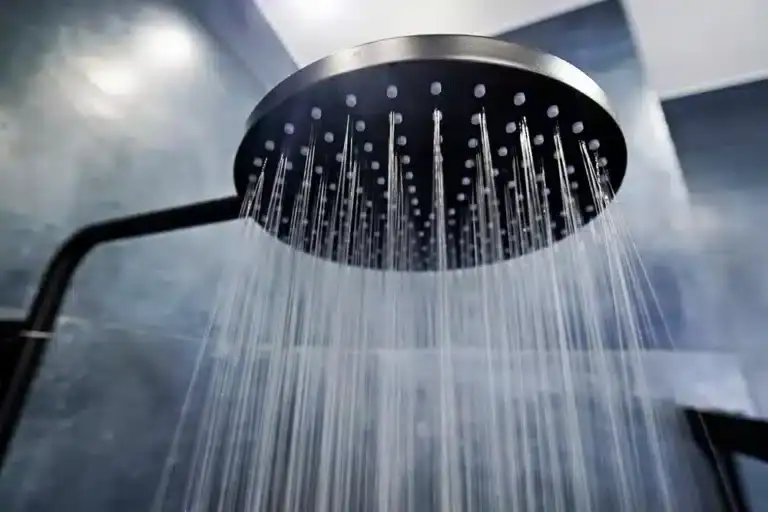
Low water pressure isn’t just annoying—it’s your plumbing system telling you something’s wrong. When your shower barely produces enough water for a decent rinse or your kitchen faucet takes forever to fill a pot, you’re looking at a problem that only gets worse with time.
Most Canton homeowners assume low pressure is just part of living in an older home. That’s not true. Your plumbing system is designed to deliver consistent water pressure throughout your house, and when it doesn’t, there’s always a reason.
The tricky part? Low water pressure has multiple causes, and figuring out which one is affecting your home requires professional diagnostic equipment that most homeowners don’t have access to.
Here’s what most people don’t realize: even small leaks can dramatically reduce water pressure throughout your entire house. When water escapes through a crack in your pipes, it redirects flow away from your fixtures. You end up with weak streams from faucets and showers that barely function.
But the pressure problem is just the beginning. Those same leaks are also quietly damaging your home’s structure. Water seeps into walls, floors, and foundations where you can’t see it. By the time you notice water stains or warped flooring, you’re looking at repair bills that average over $15,000 according to recent insurance data.
Canton’s older homes are especially vulnerable because many still have original plumbing that’s reached the end of its useful life. Galvanized pipes start corroding after 20 years, and brass pipes begin failing after 40-70 years. If your home was built before 1990, there’s a good chance your pipes are approaching replacement time.
The frustrating part is that homeowners often spend months dealing with poor water pressure before discovering the real problem. You adjust your daily routine around weak showers and slow-filling sinks, not realizing that every day of delay allows more water to escape and cause additional damage.
We use specialized equipment to detect leaks that aren’t visible to homeowners. Thermal imaging cameras can spot temperature differences that indicate water movement behind walls. Electronic leak detection equipment can pinpoint the exact location of underground leaks without digging up your entire yard.
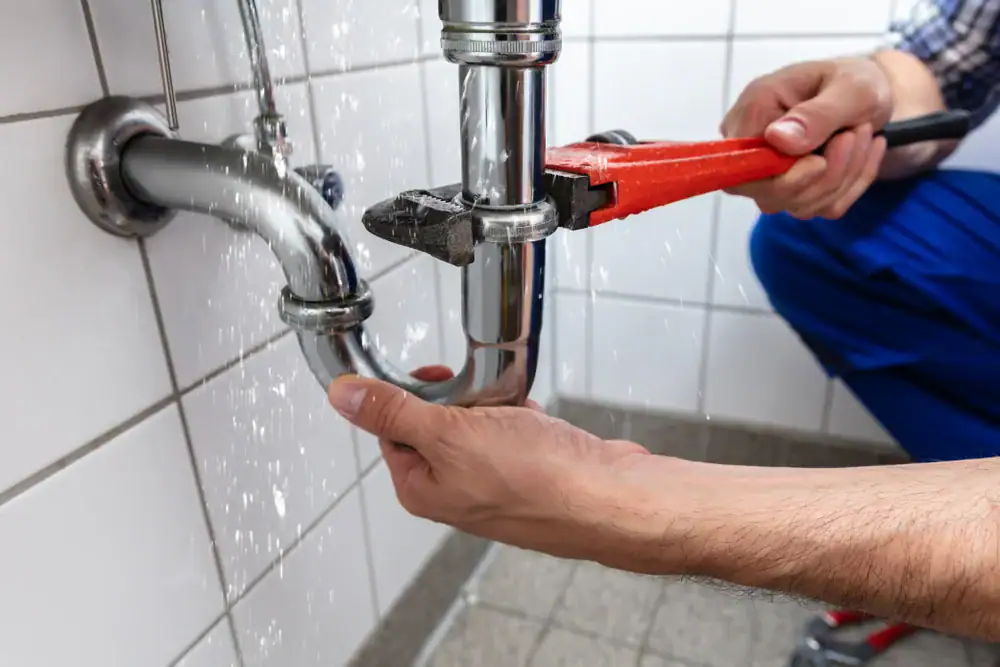
Canton’s water supply contains minerals that gradually build up inside your pipes over time. This mineral deposit acts like cholesterol in your arteries—it slowly restricts water flow until your pressure drops to a trickle. The process happens so gradually that many homeowners don’t notice until the problem becomes severe.
Your home’s pressure regulator is another common culprit. This device controls the water pressure coming into your house from the main supply line. When it malfunctions, you can experience either dangerously high pressure that damages appliances and fixtures, or frustratingly low pressure that makes daily tasks take forever.
Most pressure regulators last about 10-15 years before they need replacement. If you’ve lived in your Canton home for more than a decade and haven’t had your pressure regulator checked, there’s a good chance it’s contributing to your water pressure problems.
The challenge with mineral buildup and pressure regulator issues is that they require different solutions. Mineral deposits need professional cleaning or pipe replacement, while pressure regulator problems require equipment adjustment or replacement. Trying to diagnose these issues yourself often leads to expensive mistakes and temporary fixes that don’t address the root cause.
We can test your water pressure at multiple points throughout your house to determine whether you’re dealing with localized blockages or system-wide pressure issues. We can also test your pressure regulator to ensure it’s functioning within the proper range of 40-60 PSI.
Water pressure problems rarely resolve themselves. In fact, they typically get worse over time as mineral deposits continue building up and aging equipment continues deteriorating. The sooner you get professional diagnosis, the more options you have for cost-effective repairs.
That constant sound of water running in your toilet isn’t just annoying—it’s expensive. A continuously running toilet can waste up to 200 gallons of water per day, which adds up to thousands of gallons every month. For Canton homeowners already dealing with high water bills, this kind of waste can increase your monthly costs by 10% or more.
But the bigger concern isn’t your water bill. Running toilets are often symptoms of underlying plumbing problems that, left untreated, can lead to more serious and expensive repairs.
Most homeowners think running toilets are simple DIY fixes, but the reality is more complicated than it appears.
You’ve probably tried the obvious fixes: jiggling the handle, adjusting the flapper, bending the chain. Sometimes these quick fixes work temporarily, but if your toilet keeps running, you’re dealing with a more complex issue that requires professional diagnosis.
The most common cause of running toilets is a worn-out flapper that doesn’t seal properly against the flush valve. But here’s what most people don’t know: when flappers fail repeatedly, it’s often because the flush valve seat has become warped or corroded. You can replace the flapper ten times, but if the valve seat isn’t smooth and level, you’ll never get a proper seal.
Fill valves are another frequent culprit. These mechanisms control how much water enters your toilet tank after each flush. When they malfunction, they either don’t shut off properly (causing continuous running) or don’t let in enough water (causing weak flushes that require multiple attempts). Modern fill valves are more reliable than older ball-and-chain systems, but they still fail over time.
Water level issues can also cause running toilets. If the water level in your tank is too high, it continuously spills into the overflow tube. If it’s too low, the flapper doesn’t get enough buoyancy to create a proper seal. Getting the water level exactly right requires understanding your specific toilet model and adjusting multiple components to work together properly.
The problem with DIY toilet repairs is that toilets are precision instruments. Each component must work in harmony with the others. When you replace one part without understanding how it affects the entire system, you often create new problems while trying to solve the original issue. We understand these relationships and can diagnose the root cause rather than just treating symptoms.

The running water you hear is just one type of toilet leak. The most expensive toilet leaks are the ones you can’t see or hear—leaks at the base where your toilet connects to the floor. These silent leaks can cause thousands of dollars in damage before you even realize there’s a problem.
Base leaks usually occur when the wax ring that seals your toilet to the floor drain deteriorates. This ring is supposed to create a watertight seal that prevents sewage and water from escaping into your bathroom floor. When it fails, water seeps under your flooring where it can rot subflooring, damage floor joists, and create perfect conditions for mold growth.
Canton’s older homes often have toilets that have been in place for decades without the wax ring being replaced. These rings typically last 20-30 years, but they can fail sooner if the toilet rocks or shifts due to loose bolts or an uneven floor. Every time your toilet moves slightly, it compromises the wax ring seal.
The challenge with base leaks is that they’re often invisible until significant damage has occurred. Water damage typically starts in the subflooring and works its way outward. By the time you see water stains on the ceiling below your bathroom or notice soft spots in the flooring around your toilet, the damage has often spread far beyond the immediate area.
We can detect base leaks before they cause extensive damage. We know what signs to look for: slight movement when the toilet is pushed, gaps between the toilet base and floor, or unusual odors that indicate sewage gases are escaping. We can also remove the toilet to inspect the wax ring and subflooring condition.
Toilet replacement might seem like a major expense, but it’s much less costly than repairing water damage to your home’s structure. When caught early, toilet seal problems can be fixed with a simple wax ring replacement. When ignored, they can require subflooring replacement, floor joist repairs, and extensive mold remediation.
Low water pressure, running toilets, and hidden leaks might seem like separate problems, but they often share common causes. Aging plumbing systems, mineral buildup, and deteriorating seals affect multiple fixtures throughout your home. Getting professional diagnosis helps you understand the big picture and prioritize repairs that give you the most value.
The average water damage claim costs Canton homeowners over $15,000, but most of this damage is preventable with early detection and proper repairs. We have the diagnostic tools and experience to catch problems before they become expensive emergencies.
When you’re ready to protect your home from costly plumbing problems, contact Dempsey Energy for honest diagnosis and transparent pricing that helps you make informed decisions about your home’s plumbing system.
Article details:
Share:
Continue learning: