Oil to Gas Conversion in Dartmouth, MA

Stop Paying Double for Heat

Your oil bills keep climbing while your neighbors with gas heat pay half as much. Oil to gas conversion in Dartmouth cuts heating costs by 30% year after year.
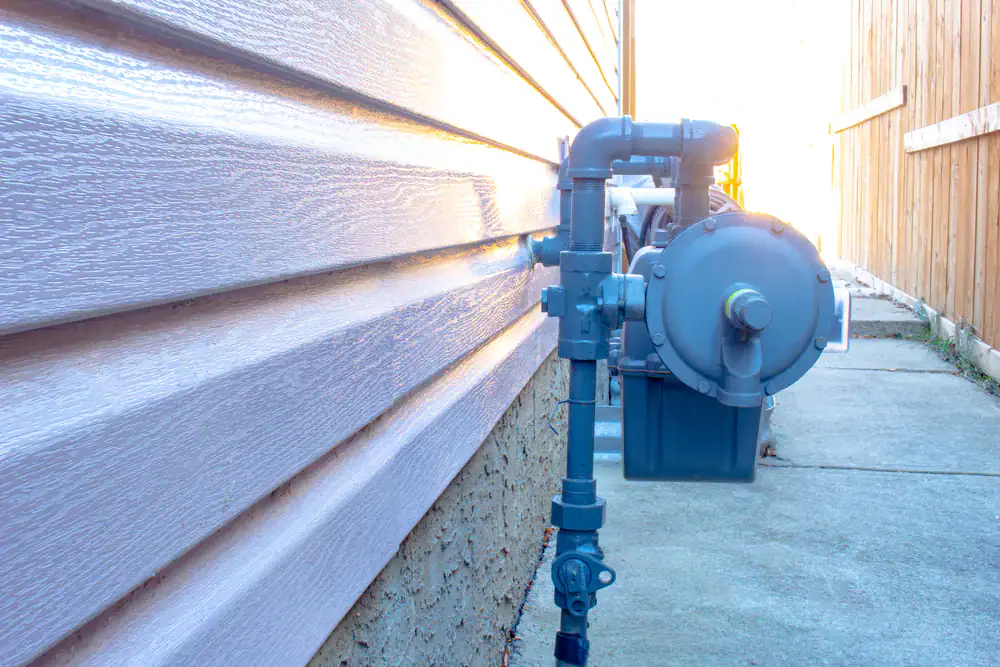
A natural gas meter and pipes are installed alongside the exterior wall of a house, next to a concrete pathway and wooden fence, in bright daylight—serviced by a trusted HVAC Contractor North Attleboro for reliable performance.

We Leave Our Customers Smiling

[webpulse_gbp_review_slider style="trustindex"]

Ready for 5-Star Level Service?

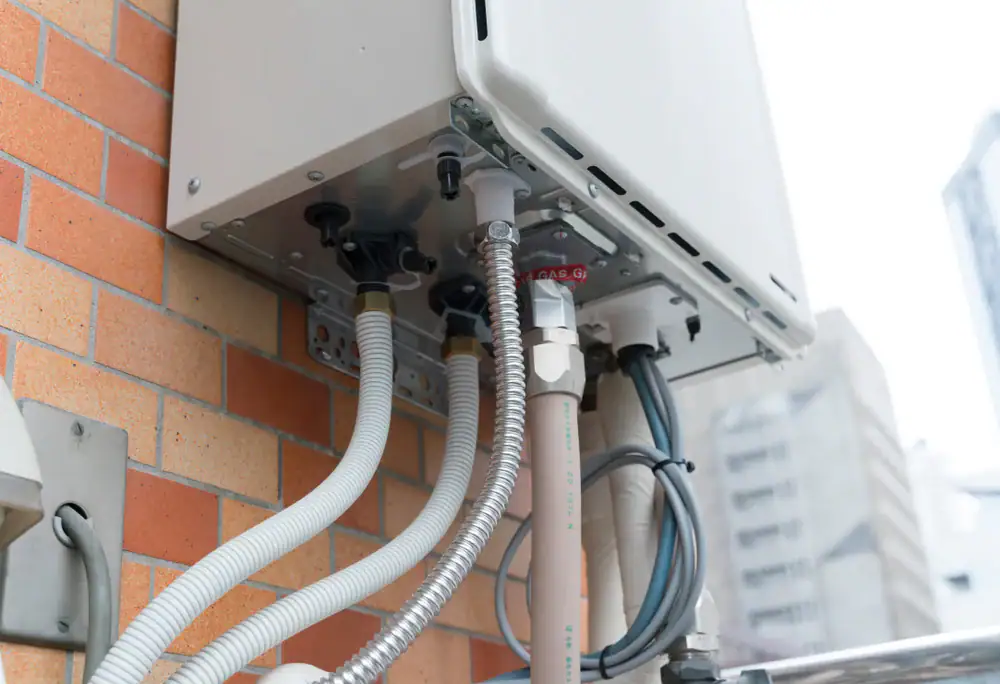
Close-up of pipes and cables connected to a white outdoor utility box mounted on a brick wall, with tall buildings in the blurred background—ideal setup for AC Installation North Attleboro, MA.

Convert Oil Furnace to Gas Dartmouth

Here's What Changes After Converting

Your heating bills drop by hundreds every winter. No more scheduling oil deliveries or watching tank levels. Your basement reclaims the space where that bulky oil tank sits.

You get heat that flows reliably through underground gas lines—no more worrying about oil trucks getting stuck in snowstorms or running out of fuel when demand spikes. Natural gas arrives consistently at your home, ready when you need it.

The efficiency jump saves real money. Your old oil system wastes 20-50% of every dollar on inefficiency. New gas systems convert over 90% of fuel into actual heat for your home, not waste up the chimney.

Oil to Natural Gas Conversion Dartmouth

We've Converted Hundreds of Dartmouth Homes

Since 1992, we’ve helped Dartmouth families escape expensive oil heat. We’ve guided homeowners through supply shortages, price spikes, and the decision to convert from oil to gas heat.

We know your neighborhood. From waterfront homes in Padanaram Village to family houses near Dartmouth Mall, we understand local gas infrastructure and work directly with National Grid to streamline your conversion.

Our family business isn’t going anywhere. When you invest in conversion, you’re working with contractors who’ve built our reputation in this community over 30+ years. We stand behind our work because we live here too.
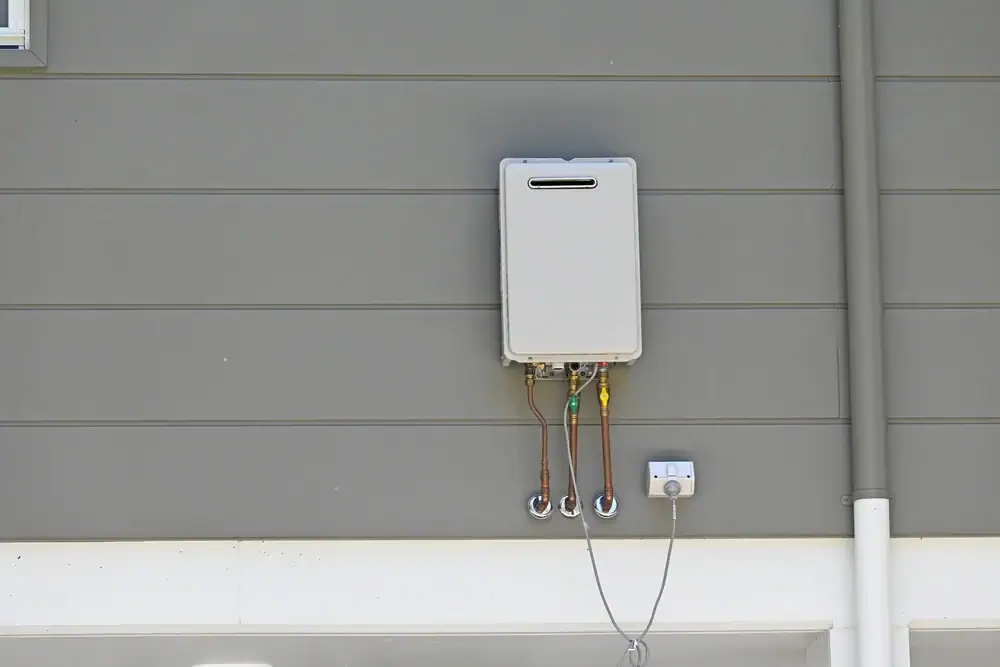
A tankless water heater is mounted on the exterior gray wall of a building, with several pipes and wiring connected beneath it—professionally installed by an HVAC Contractor North Attleboro.

Switch from Oil to Gas Heat

Your Conversion Happens in Three Steps

We start by evaluating your current oil system and home layout. Some conversions only need burner replacement in your existing furnace. Others benefit from complete gas furnace installation. You’ll know exactly which approach works best and what it costs before we start.

Next comes gas service coordination. If you need new gas lines from the street, we handle utility company scheduling and permits. Many Dartmouth homes already have gas for cooking—we’ll determine if your existing line can handle heating loads or needs upgrading.

Installation typically takes one to two days. We remove old oil equipment, install your new gas system, and test everything thoroughly. Our trucks carry most parts we need, so delays are rare. After passing inspection, the gas company connects your meter and you’re heating with clean, efficient gas.
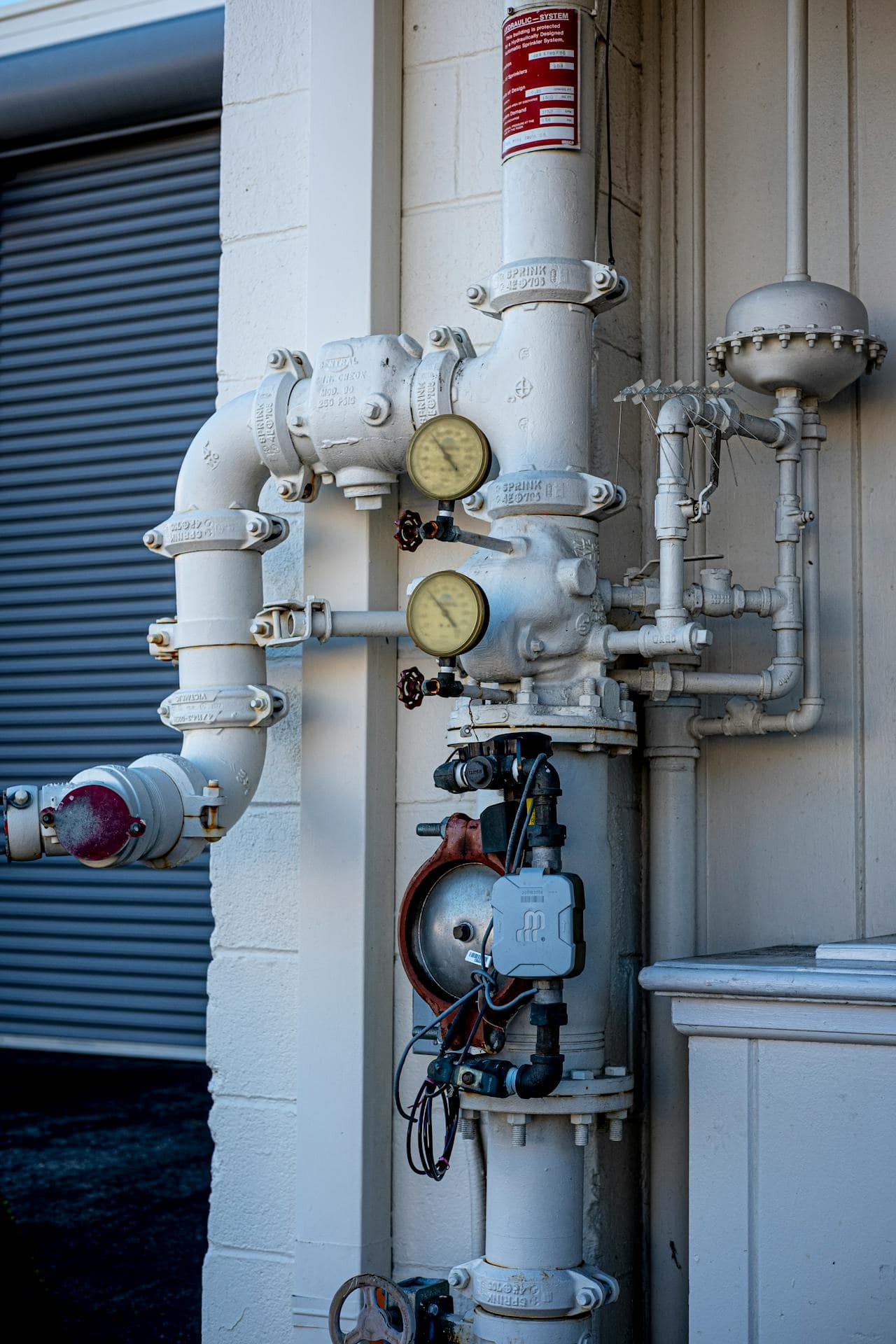
White industrial pipes with gauges, valves, and electrical components are mounted on an exterior wall next to a closed metal garage door. A red fire protection sign is attached to the top of the main vertical pipe by an HVAC Contractor North Attleboro.

Ready to get started?

Explore More Services

About Dempsey Energy

Get a Free Consultation

Converting to Gas Heat from Oil

Everything Included in Your Conversion

Your conversion covers complete oil equipment removal and professional gas system installation. We coordinate with licensed tank removal companies and handle all permits, inspections, and utility company scheduling.

Dartmouth homeowners often qualify for substantial rebates. Massachusetts offers up to $1,000 in utility rebates for converting oil furnace to gas, plus federal tax credits covering 30% of high-efficiency equipment costs. We handle the paperwork to maximize your savings.

Local gas infrastructure works in your favor. Over 60% of South Dartmouth homes already use natural gas, and North Dartmouth has extensive gas line coverage. This established network keeps connection costs reasonable and installation straightforward for most properties.
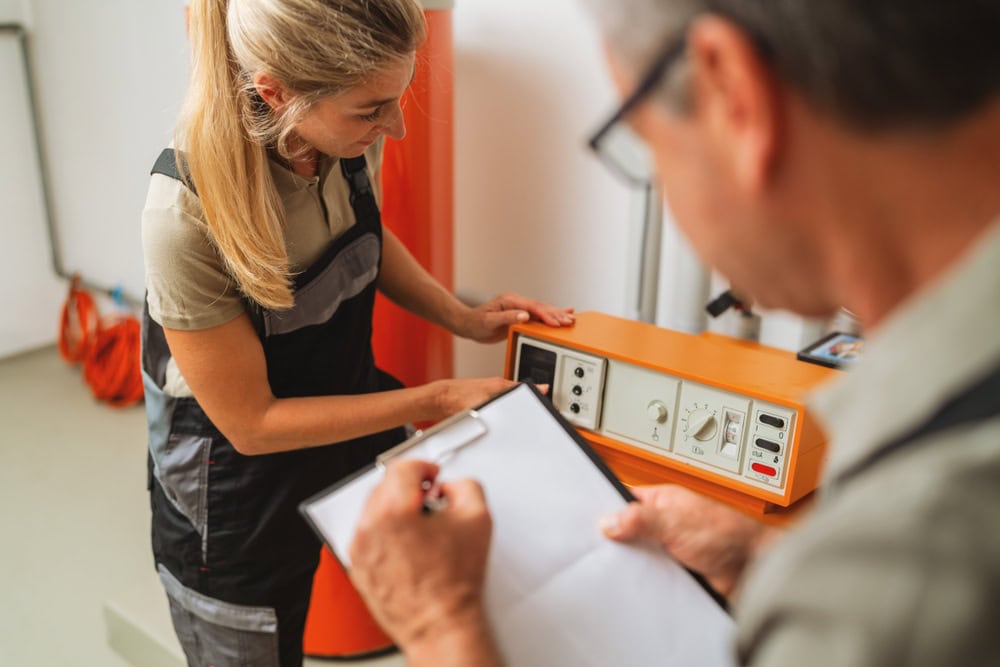
A woman in work overalls adjusts controls on an orange industrial machine while a man in the foreground, possibly an HVAC Contractor North Attleboro, writes on a clipboard.

How much does it cost to convert from oil to gas in Dartmouth?

Converting oil to gas heat in Dartmouth typically costs $5,000-$15,000, depending on your current system and gas service needs. Homes with existing gas lines stay toward the lower end. Properties needing new gas service from the street see higher upfront costs but qualify for utility incentives. The investment pays back fast. Most Dartmouth homeowners save $800-$1,200 annually after converting. At those savings rates, a $10,000 conversion recovers its cost in 8-10 years, then continues saving money for the system’s 15-20 year lifespan. Available rebates reduce your actual cost significantly. Massachusetts utility rebates cover up to $1,000, federal tax credits handle 30% of qualifying equipment costs, and manufacturer rebates add hundreds more. These programs can cut your net investment by $2,000-$4,000.
Yes—converting from oil to gas typically cuts Dartmouth heating costs by 20-30% annually. Oil heat users in our area often spend $2,000-$3,000 per winter, while comparable gas-heated homes spend $700-$1,200 for the same comfort level. The savings come from multiple sources. Natural gas costs less per BTU than heating oil, and gas systems waste less energy. You’ll also save on maintenance—no more oil filter changes, nozzle replacements, or annual chimney cleanings that oil systems require. Current heating oil prices in Dartmouth range from $2.83-$2.90 per gallon and fluctuate with global markets. Natural gas pricing stays more stable and predictable, making it easier to budget your heating costs year after year.
The actual equipment installation for oil to gas conversion takes one to two days. The complete process from initial consultation to final startup typically spans 2-4 weeks, depending on gas service requirements and permit processing times. Homes with adequate existing gas service can often convert faster since we skip utility company coordination for new service lines. Properties needing gas lines from the street require scheduling with National Grid, which adds time but ensures proper sizing for your heating needs. We typically schedule conversions during spring or fall to avoid disrupting your heat during cold weather. Our fully stocked service trucks and experienced technicians minimize installation delays, and we coordinate all aspects including permits, inspections, and old equipment disposal.
Many Dartmouth homes already have natural gas for cooking or other appliances, but heating systems require properly sized gas lines. We’ll evaluate your existing gas infrastructure to determine if upgrades are necessary for safe, reliable operation. If you don’t have gas service, installation from the street typically costs $1,000-$3,000, depending on distance and site conditions. National Grid sometimes offers free or discounted service installation as part of conversion programs, especially in established neighborhoods with existing gas mains. Even homes with gas service often need line upgrades. Kitchen appliances use minimal gas compared to heating systems, so existing lines may be undersized. We calculate proper gas line sizing and coordinate with licensed gas contractors for any necessary upgrades.
Massachusetts homeowners can access several rebate programs when converting oil furnace to gas. Utility companies offer rebates up to $1,000 for qualifying gas heating equipment, and Mass Save provides 0% financing for up to seven years on energy efficiency improvements. Federal tax credits cover 30% of high-efficiency heating equipment costs that meet ENERGY STAR standards. Manufacturer rebates are available on many gas furnace and boiler models, potentially adding $200-$500 more in savings depending on the equipment you choose. We handle rebate applications and paperwork to ensure you receive maximum benefits. Rebate amounts and availability change periodically, so we stay current on all programs. The combination of rebates, tax credits, and ongoing fuel savings makes conversion financially attractive for most homeowners.
Natural gas heating eliminates many safety risks associated with oil systems. Gas arrives through underground pipelines, removing the need for on-site fuel storage and the risks of tank leaks, spills, or contamination that can affect your property and groundwater. Modern gas heating systems include multiple safety features: automatic shutoff valves, flame sensors, pressure switches, and carbon monoxide detectors. Gas burns cleaner than oil, producing primarily carbon dioxide and water vapor instead of soot and ash that can clog vents or create fire hazards. Gas leaks are easily detectable due to added odorants, and natural gas dissipates quickly in air rather than pooling like spilled heating oil. Professional installation and annual maintenance ensure your gas heating system operates safely and efficiently throughout its lifespan.