
Sump Pump Installation in Bliss Corner

Your Basement Stays Dry, Guaranteed

Professional sump pump installation that actually works when you need it most.
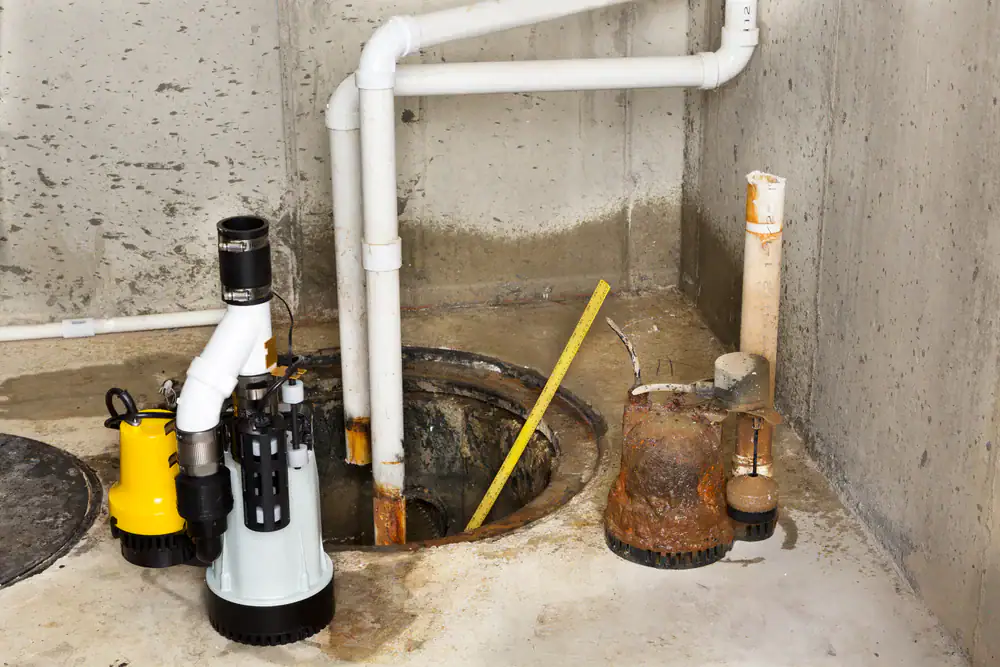
A basement sump pump system in North Attleboro, MA is shown with exposed pipes, a new black and yellow pump, an old rusty pump, and a partially open sump pit set in concrete floors against unfinished concrete walls.

We Leave Our Customers Smiling

No reviews to display yet.

Ready for 5-Star Level Service?
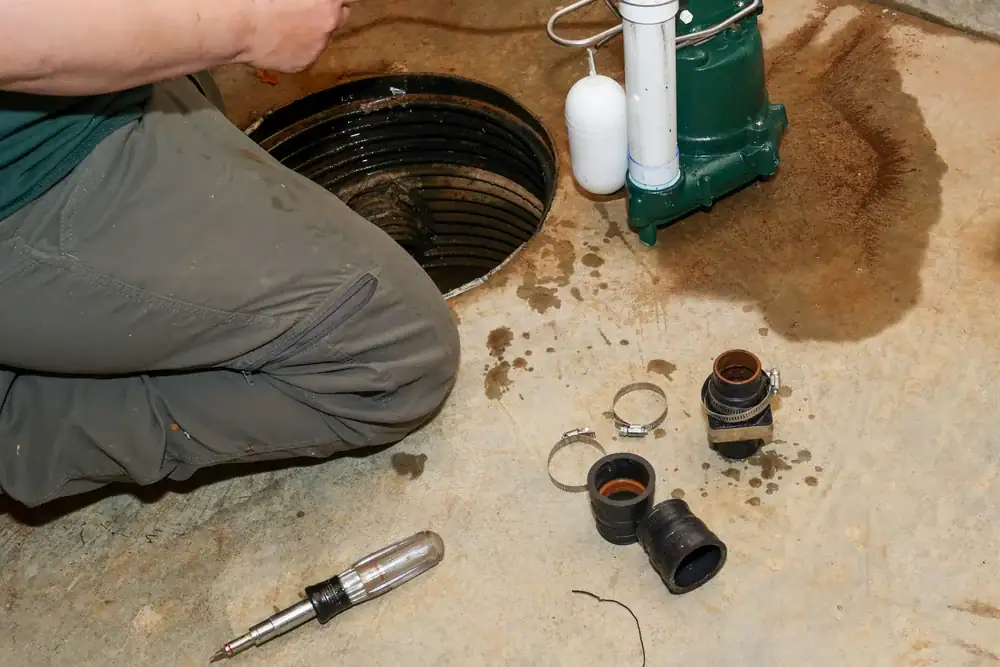
A person kneels on a basement floor in North Attleboro next to an open sump pit, with a submersible sump pump, plumbing parts, hose clamps, and screwdriver scattered nearby. Water stains mark the concrete—AC Services North Attleboro can help.

Basement Sump Pump Installation Bliss Corner

No More Basement Flooding Nightmares

You wake up after a heavy storm and walk downstairs to find your basement completely dry. Your sump pump did exactly what it was supposed to do—quietly, automatically, without you losing sleep over it.

That’s what proper sump pump installation in Bliss Corner gets you. Not just a pump that might work, but a system that will work when Massachusetts weather throws everything it has at your home.

Your belongings stay safe. Your finished basement remains usable. And you get that peace of mind that comes from knowing your home is actually protected, not just equipped with equipment that may or may not function when it matters.

Professional Sump Pump Contractors Bliss Corner

We've Been Keeping Basements Dry Since 2001

We started as a family-operated company in 2001 and have grown into one of the most trusted names for basement sump pump installation in Bliss Corner, MA. We understand how Massachusetts weather works—the spring floods, summer storms, and winter freeze-thaw cycles that put your basement at risk.

We’re not the guys who show up, install whatever’s cheapest, and disappear. We’re the company that Bliss Corner homeowners call when they want a sump pump system that actually protects their investment.

Our Home Comfort Advisors take time to assess your specific basement conditions, water table issues, and flooding risks before recommending the right solution for your home.

A close-up of a sump pump installed in a circular pit with water at the bottom, surrounded by connected PVC pipes and a concrete floor, commonly seen in homes serviced by an HVAC Contractor North Attleboro, MA.

Basement Sump Pump System Installation Process

Here's Exactly How We Install Your System

First, we assess your basement’s lowest point and determine the best location for your sump pit. This isn’t guesswork—we look at how water naturally flows in your space and where it’s most likely to collect.

Next, we excavate the sump pit to the proper depth and install a durable liner that won’t crack or shift over time. The pit becomes the collection point where water gathers before being pumped out and away from your foundation.

Then we install your sump pump—whether it’s a pedestal or submersible model depends on your basement’s specific needs and your budget. We connect the discharge line that carries water at least 10 feet away from your foundation, ensuring it won’t just circle back to cause problems again.

Finally, we test the entire system multiple times to make sure it activates properly and moves water efficiently. You’ll see exactly how it works before we consider the job complete.

A man in a basement kneels beside a sump pump, gesturing with his hands while holding a flashlight. Paint cans and tools are visible in the background, hinting at recent AC Installation North Attleboro, MA or other home improvement services.

Ready to get started?

Explore More Services

About Dempsey Energy

Get a Free Consultation

Complete Sump Pump Services Bliss Corner MA

Everything You Need for Basement Protection

Your sump pump installation includes the pump itself, proper pit excavation and lining, discharge piping, electrical connections, and a check valve to prevent backflow. We also install battery backup systems for homes that need protection during power outages—which is most homes in Bliss Corner, given how often storms knock out electricity.

Bliss Corner sits in an area where spring flooding from nearby waterways and summer storms can overwhelm local drainage systems. The clay soil common in this part of Massachusetts doesn’t drain well, which means water tends to pool around foundations and eventually find its way into basements.

We account for these local conditions when sizing your system and positioning discharge lines. A pump that works fine in a different climate might be completely inadequate for the water volumes and soil conditions you’re dealing with here in Bristol County.

A person in work boots stands next to a sump pump system being installed in a basement, with PVC pipes, tools, and fittings scattered on the concrete floor by an experienced HVAC Contractor North Attleboro.

How much does sump pump installation cost in Bliss Corner, MA?

Most homeowners in Bliss Corner spend between $700 and $1,700 for professional sump pump installation, with the average around $1,100. The final cost depends on several factors specific to your situation. If you’re installing a completely new system—meaning we need to dig the pit, run new discharge lines, and set up electrical connections—you’re looking at the higher end of that range. If you’re replacing an existing pump using the current pit and discharge setup, costs will be lower. The type of pump also matters. Pedestal pumps cost less upfront but submersible pumps tend to be quieter and handle higher water volumes. Battery backup systems add to the cost but they’re often worth it given how frequently power goes out during the storms that cause flooding.
For most Bliss Corner homes, a submersible sump pump with battery backup gives you the best protection. Submersible pumps sit inside the sump pit and can handle larger volumes of water, which matters when you’re dealing with the heavy rains and rapid snowmelt common in Massachusetts. The battery backup is crucial because storms that cause flooding also tend to knock out power. Without backup power, your pump stops working exactly when you need it most. We typically recommend systems that can run for several hours on battery power. Pedestal pumps work well too and they’re easier to service, but they’re louder and don’t handle high water volumes as effectively. For finished basements or homes with frequent water issues, submersible with backup is usually the better choice.
Most sump pumps last about 7 years with regular maintenance, but Massachusetts conditions can be tougher on equipment than in other climates. The frequent freeze-thaw cycles, high humidity, and heavy seasonal water loads mean your pump works harder than average. Signs it’s time to replace include the pump running constantly but not lowering water levels, strange noises, visible rust or corrosion, or the pump failing to start when water levels rise. Don’t wait for complete failure—a pump that’s struggling will eventually fail during a storm when you need it most. We recommend annual maintenance checks to catch problems early and extend pump life. Regular cleaning, testing the float switch, and checking discharge lines can prevent most emergency situations and help your pump reach its full lifespan.
Technically yes, but it’s rarely a good idea in Bliss Corner. Sump pump installation requires excavating in your basement, running electrical lines, and ensuring proper drainage—all of which can cause expensive problems if done incorrectly. Massachusetts building codes have specific requirements for sump pump installations, including electrical safety standards and discharge regulations. Getting permits and inspections right is complicated, and mistakes can void your homeowner’s insurance coverage if flooding occurs. The bigger issue is that improper installation often leads to system failure when you need it most. A pump that seems to work fine during installation might fail during the first major storm because the pit wasn’t sized correctly, the discharge line has the wrong slope, or the electrical connections aren’t up to code. Professional installation costs more upfront but it’s insurance against much bigger problems later.
Your sump pump needs basic maintenance every 3-4 months to stay reliable. This includes cleaning debris from the pit, testing the float switch by pouring water into the pit, and checking that the discharge line is clear and draining properly. Before storm season each year, test the system thoroughly and clean any accumulated sediment from the pit. Check that the pump turns on automatically when water levels rise and shuts off completely when the pit empties. If you have a battery backup, test it and replace the battery every 2-3 years. Watch for warning signs between maintenance checks: unusual noises, the pump running constantly, water not draining from the pit, or visible rust and corrosion. These usually indicate problems that need professional attention before they become emergencies. Regular maintenance typically prevents most major failures and extends your pump’s lifespan significantly.
Many insurance companies in Massachusetts offer discounts for professionally installed sump pump systems because they significantly reduce flood damage risk. The discount varies by insurer but typically ranges from 5-15% on your premium. However, standard homeowner’s insurance often doesn’t cover damage from sump pump failure itself, even during storms. You may want to add specific coverage for mechanical breakdown or water backup to fully protect yourself. Your insurance agent can explain what’s covered and what additional riders might make sense. The bigger financial benefit isn’t the insurance discount—it’s avoiding water damage in the first place. Basement flooding can easily cause $5,000-$15,000 in damage, and that’s assuming you catch it quickly. A properly installed sump pump system pays for itself many times over by preventing that first flood.