
Sump Pump Installation in Dighton, MA

Keep Your Basement Dry Year-Round

Professional sump pump installation that actually works when you need it most, protecting your home from costly water damage.
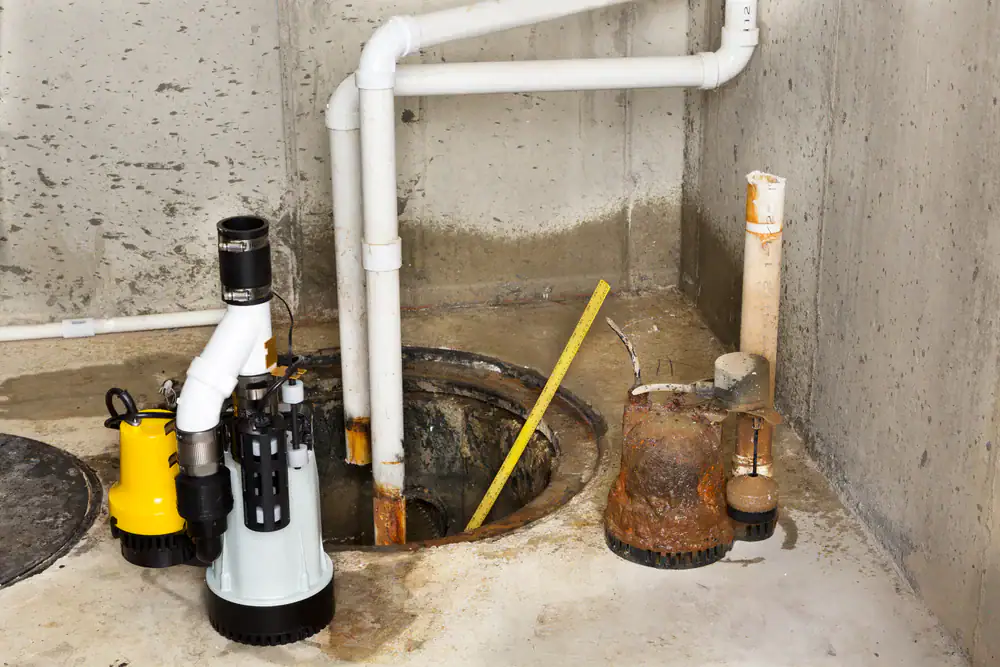
A basement sump pump system in North Attleboro, MA is shown with exposed pipes, a new black and yellow pump, an old rusty pump, and a partially open sump pit set in concrete floors against unfinished concrete walls.

We Leave Our Customers Smiling

No reviews to display yet.

Ready for 5-Star Level Service?
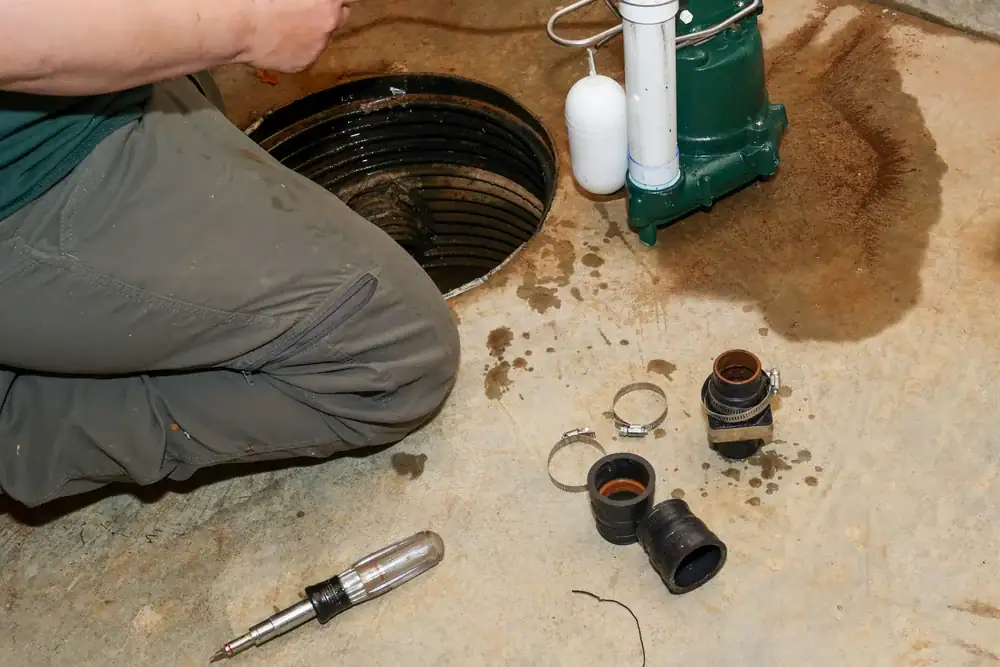
A person kneels on a basement floor in North Attleboro next to an open sump pit, with a submersible sump pump, plumbing parts, hose clamps, and screwdriver scattered nearby. Water stains mark the concrete—AC Services North Attleboro can help.

Basement Sump Pump Installation Dighton

No More Basement Flooding Worries

You’ll sleep better knowing your basement stays dry, even during the heaviest storms. Your stored belongings, finished basement spaces, and home’s foundation stay protected from water damage that can cost thousands to repair.

When your sump pump works properly, you don’t think about it. That’s exactly how it should be. You get peace of mind during spring thaw, summer storms, and those unpredictable New England weather events that used to keep you checking the basement every few hours.

The right basement sump pump system means you can actually use your basement space without worrying about water creeping in. No more moving everything to higher shelves before a storm or dealing with that musty smell that comes after water sits too long.

Dighton Sump Pump Installation Experts

Local Experts Who Understand Massachusetts Basements

We’ve been keeping Dighton homes dry and comfortable through professional HVAC and plumbing services. We understand how Massachusetts weather, soil conditions, and older home construction create unique challenges for basement water management.

Our team knows the difference between a quick fix and a lasting solution. We’ve seen what happens when sump pumps are installed incorrectly, sized wrong, or placed in the wrong spot. That’s why we take the time to assess your specific situation and install systems that actually work.

With over 12,000 customers trusting us for their home comfort needs, we’ve built our reputation on doing the job right the first time. Our Dempsey Comfort Club members get priority service because we believe in taking care of the people who take care of us.

A close-up of a sump pump installed in a circular pit with water at the bottom, surrounded by connected PVC pipes and a concrete floor, commonly seen in homes serviced by an HVAC Contractor North Attleboro, MA.

Our Sump Pump Installation Process

Straightforward Installation, Reliable Results

First, we assess your basement to determine the best location for your sump pit and pump. This isn’t guesswork – we look at your home’s foundation, existing drainage, and how water typically enters your basement during heavy rains or snow melt.

Next, we excavate the sump pit to the proper depth and install the basin with appropriate gravel drainage. The pump gets connected to a discharge pipe that routes water safely away from your foundation, not back toward your house where it can cause problems later.

We test everything thoroughly before we leave. You’ll see exactly how the system activates when water enters the pit, and we’ll explain how to maintain it properly. We also make sure all electrical connections meet local codes and safety standards, because a sump pump that can’t run safely isn’t protecting anything.

A man in a basement kneels beside a sump pump, gesturing with his hands while holding a flashlight. Paint cans and tools are visible in the background, hinting at recent AC Installation North Attleboro, MA or other home improvement services.

Ready to get started?

Explore More Services

About Dempsey Energy

Get a Free Consultation

Complete Basement Water Pump Solutions

Everything You Need for Basement Protection

Your sump pump installation includes proper pit excavation, high-quality pump selection based on your home’s needs, and professional discharge line routing. We don’t cut corners on the details that make the difference between a system that works and one that fails when you need it most.

Dighton’s clay soil and seasonal water table changes require specific considerations for sump pump placement and sizing. We account for these local factors, ensuring your basement sump pump system handles both gradual groundwater infiltration and sudden storm water influx effectively.

You also get clear instructions on basic maintenance and our contact information for future service needs. Because even the best-installed systems need occasional attention, and you shouldn’t have to figure that out on your own during an emergency.

A person in work boots stands next to a sump pump system being installed in a basement, with PVC pipes, tools, and fittings scattered on the concrete floor by an experienced HVAC Contractor North Attleboro.

How do I know if I need to replace my existing sump pump?

Your sump pump needs replacement if it’s running constantly but not lowering water levels, making unusual noises, or if you’ve found water in your basement after recent storms. Age matters too – most sump pumps last 7-10 years with regular use. Check the discharge pipe during operation. If water isn’t flowing out strongly, or if you hear grinding or rattling sounds, those are clear signs your pump is struggling. Don’t wait for complete failure during the next heavy rain. If your basement has flooded even once with a working sump pump, the system might be undersized for your home’s needs. We can evaluate whether a more powerful pump or additional drainage solutions would better protect your space.
Sump pump sizing depends on your basement size, how quickly water enters during storms, and your home’s drainage characteristics. Most Dighton homes need pumps that can handle 2,500-4,000 gallons per hour, but this varies significantly based on individual conditions. We measure your basement, assess your typical water infiltration patterns, and consider factors like soil type and foundation age. A pump that’s too small won’t keep up during heavy rains, while an oversized pump will cycle on and off too frequently, wearing out faster. The discharge head – how high and far the pump needs to push water – also affects sizing requirements. Homes with deep basements or long discharge runs need more powerful pumps to move water effectively away from the foundation.
Most sump pump installations take 4-6 hours, depending on whether we’re replacing an existing system or creating a new installation. New installations require more time for proper pit excavation and discharge line routing. If you already have a sump pit in good condition, we can usually complete the replacement more quickly. However, we often find existing pits need modifications to meet current standards or accommodate newer, more efficient pump designs. Weather and soil conditions can affect timeline. Clay soil common in Dighton takes longer to excavate than sandy soil, and we won’t rush the job just to finish faster. Proper installation prevents future problems that cost much more to fix than taking extra time upfront.
Contact us immediately for emergency service. We prioritize sump pump failures because we know basement flooding can cause thousands in damage within hours. While waiting for service, try to move valuable items to higher ground and check if a tripped circuit breaker might be the simple fix. If water is actively entering your basement, you might need to rent a temporary pump from a hardware store as a stopgap measure. However, don’t attempt electrical repairs yourself – water and electricity create dangerous situations that require professional handling. Prevention works better than emergency response. Regular maintenance checks and having a backup plan (like a battery backup sump pump) can prevent most emergency situations. We can discuss these options during your installation to give you multiple layers of protection.
Battery backup systems make sense if you’ve experienced power outages during storms or if basement flooding would cause significant damage to finished spaces or stored belongings. Many Dighton homeowners choose backup systems because storms that cause flooding often knock out power too. A battery backup sump pump automatically activates when your primary pump can’t run due to power loss or mechanical failure. These systems typically provide 6-12 hours of protection, depending on battery size and how much water needs pumping. Consider your risk tolerance and basement contents when deciding. If you store important documents, family heirlooms, or have expensive finished basement improvements, backup protection often pays for itself by preventing one flooding incident. We can explain options and costs during your consultation.
Test your sump pump every 3-4 months by pouring water into the pit until the pump activates. This simple check ensures the float switch works properly and the pump starts when needed. Spring and fall testing align with seasons when you’re most likely to need the system. Clean debris from the pit annually and check that the discharge line stays clear of obstructions. Leaves, ice, or small animals can block the discharge, causing water to back up into your basement even with a working pump. Professional maintenance every 2-3 years helps catch issues before they become emergencies. We check electrical connections, test pump performance under load, and verify that all components work together properly. Regular maintenance extends equipment life and prevents most unexpected failures.