
Sump Pump Installation in Needham, MA

Stop Basement Flooding Before It Starts

Professional sump pump installation in Needham, MA that actually works when you need it most.
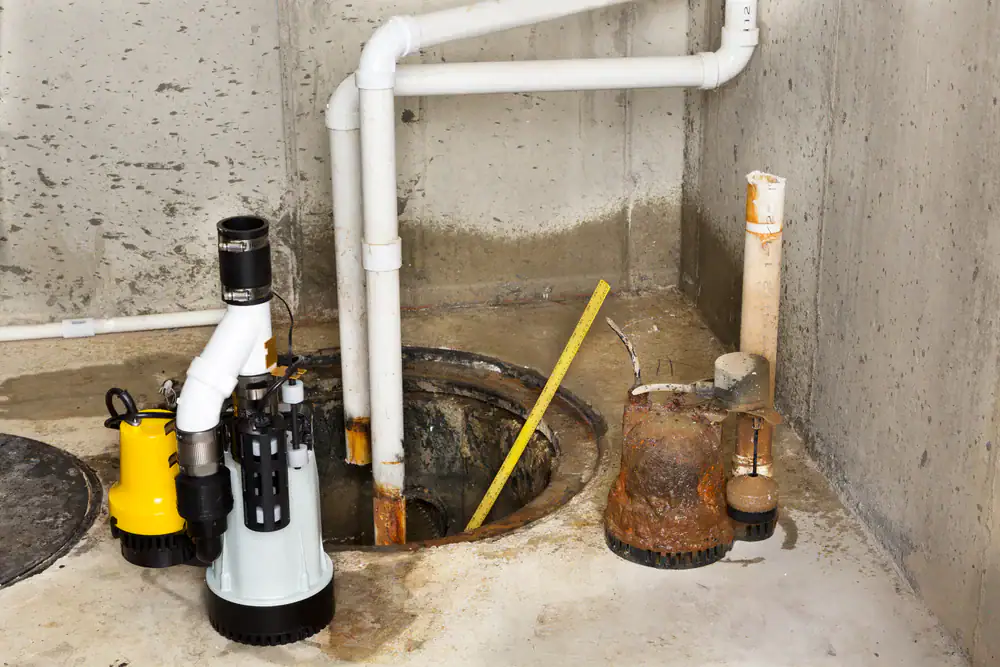
A basement sump pump system in North Attleboro, MA is shown with exposed pipes, a new black and yellow pump, an old rusty pump, and a partially open sump pit set in concrete floors against unfinished concrete walls.

We Leave Our Customers Smiling

No reviews to display yet.

Ready for 5-Star Level Service?
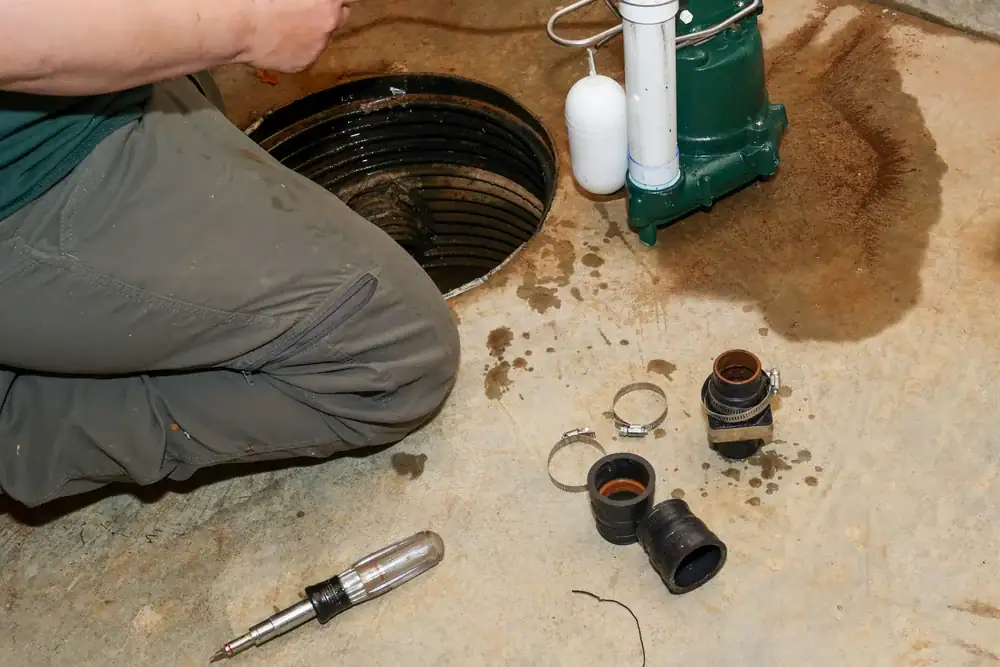
A person kneels on a basement floor in North Attleboro next to an open sump pit, with a submersible sump pump, plumbing parts, hose clamps, and screwdriver scattered nearby. Water stains mark the concrete—AC Services North Attleboro can help.

Basement Water Pump Systems Needham

Your Basement Stays Dry, Every Storm

You wake up after heavy rain and walk downstairs to find your basement exactly as you left it. Dry. No puddles, no soggy boxes, no musty smell creeping up the stairs.

That’s what happens when your sump pump system is installed right the first time. Your foundation stays protected, your belongings stay safe, and you sleep through storms instead of worrying about them.

When the next big rain hits Needham, you’ll have the peace of mind that comes from knowing your basement waterproofing system can handle whatever New England weather throws at it.

Needham Sump Pump Installation Experts

Local Experts Who Know Needham Basements

Dempsey Energy has been serving Massachusetts homeowners since 1992. We understand how Needham’s older homes and stone foundations react to heavy rain and seasonal water table changes.

We’ve installed basement sump pump systems in hundreds of local homes. We know which pumps work best in your soil conditions and how to position discharge lines to prevent the water from cycling back into your basement.

When you call us, you’re working with licensed professionals who live and work in your community. We’re not some fly-by-night operation—we’re the team your neighbors trust when their basements flood.

A close-up of a sump pump installed in a circular pit with water at the bottom, surrounded by connected PVC pipes and a concrete floor, commonly seen in homes serviced by an HVAC Contractor North Attleboro, MA.

Sump Pump Installation Process Needham

Here's Exactly What We Do

First, we assess your basement’s specific drainage needs and identify the lowest point where water naturally collects. This determines where your sump pit goes and how big it needs to be.

Next, we excavate the pit, install the basin, and connect your drainage system. We run the discharge line away from your foundation—far enough that the water won’t just cycle back into your basement during the next storm.

Then we install your pump, test the float switch, and run the entire system to make sure it activates properly. We also install a battery backup system if you want protection during power outages, which happen frequently during the storms that cause flooding.

A man in a basement kneels beside a sump pump, gesturing with his hands while holding a flashlight. Paint cans and tools are visible in the background, hinting at recent AC Installation North Attleboro, MA or other home improvement services.

Ready to get started?

Explore More Services

About Dempsey Energy

Get a Free Consultation

Complete Basement Sump Pump Systems

What's Included in Your Installation

Your basement sump pump installation includes the pump, basin, discharge piping, and electrical connections. We use quality pumps that can handle Needham’s high water table and seasonal flooding conditions.

For homes built before 1960—which includes many properties in Needham—we often recommend upgrading to a more powerful system. Older stone foundations and fieldstone basements need pumps that can move more water, faster.

We also install check valves to prevent backflow and ensure your discharge line is properly graded. Many basement flooding problems happen because the previous installer didn’t account for local soil conditions or positioned the discharge too close to the foundation.

A person in work boots stands next to a sump pump system being installed in a basement, with PVC pipes, tools, and fittings scattered on the concrete floor by an experienced HVAC Contractor North Attleboro.

How much does sump pump installation cost in Needham, MA?

Sump pump installation in Needham typically costs between $1,200 and $2,500, depending on your basement’s specific needs. Basic installations with standard pumps start around $1,200. If you need a larger pit, battery backup system, or more complex discharge routing, costs can reach $2,500 or more. Homes with finished basements or concrete floors that require breaking and patching will cost more than unfinished basements with dirt floors. We provide upfront pricing before any work begins, so you know exactly what you’re paying. No surprises, no hidden fees after we start digging.
Most Needham homes do well with submersible sump pumps because they’re quieter and more reliable than pedestal models. For basements that flood regularly or homes near the Charles River, we often recommend 1/2 HP or 3/4 HP pumps. If your home was built before 1960, you likely need a more powerful system. Older stone foundations and fieldstone basements allow more water infiltration, especially during spring thaw and heavy summer storms. Battery backup systems are worth considering if you lose power during storms. The biggest floods often happen when the power goes out, leaving your primary pump useless when you need it most.
Most sump pump installations take 4-6 hours if we’re installing in an unfinished basement with easy access. If we need to break concrete, install extensive discharge piping, or work around finished basement obstacles, it can take a full day. The excavation and pit installation usually take the longest. We need to dig deep enough and wide enough for your specific pump and basin, then make sure everything is level and properly connected to your drainage system. We always test the entire system before we leave, including running water through it to make sure the float switch activates properly and the discharge line carries water far enough from your foundation.
Battery backup systems are highly recommended for Needham homes, especially if you’ve had basement flooding before. The storms that cause the worst flooding often knock out power, leaving your primary pump unable to run. A battery backup pump kicks in automatically when your main pump fails or when the power goes out. It won’t run indefinitely, but it gives you several hours of protection while the storm passes or until power is restored. For homes near wetlands or with high water tables, battery backup isn’t optional—it’s essential. The peace of mind alone is worth the extra investment when you consider the cost of flood damage to your basement and belongings.
Sump pumps typically last 7-10 years with regular maintenance. If your pump is running constantly, making unusual noises, or failing to keep up during moderate rainfall, it’s time for replacement. Other warning signs include rust on the pump housing, frequent cycling on and off, or water backing up into your basement despite the pump running. If your pump is more than 8 years old and showing any of these symptoms, replacement is usually more cost-effective than repairs. Don’t wait until your basement floods to replace a failing pump. By the time you notice problems, the pump is often close to complete failure, leaving you vulnerable during the next heavy rain.
Yes, we can install sump pumps in finished basements, but it requires more careful planning and often costs more due to the additional work involved. We need to cut through flooring, possibly remove some drywall, and patch everything back to match your existing finishes. The key is positioning the system where it will be most effective while minimizing damage to your finished space. Sometimes this means installing in a utility room or unfinished area and running discharge lines under the slab or along walls. We always discuss your options upfront and help you choose the installation approach that provides the best protection with the least disruption to your finished basement. The goal is keeping your space dry without destroying the improvements you’ve already made.