
Sump Pump Installation in Sharon, MA

Stop Basement Flooding Before It Starts

Professional sump pump installation that keeps your Sharon basement dry when Massachusetts weather turns severe.
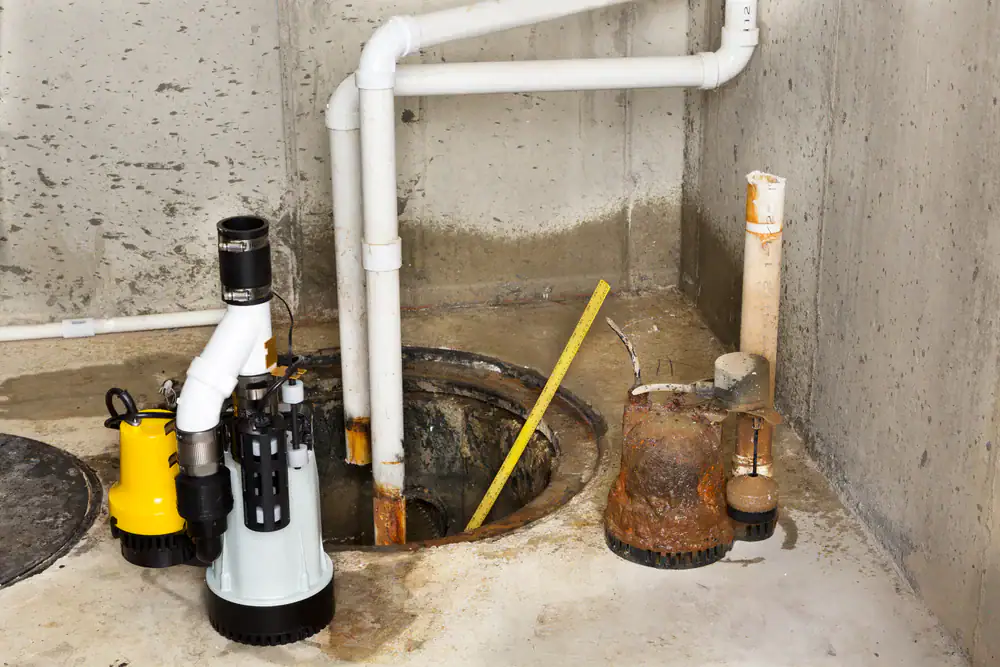
A basement sump pump system in North Attleboro, MA is shown with exposed pipes, a new black and yellow pump, an old rusty pump, and a partially open sump pit set in concrete floors against unfinished concrete walls.

We Leave Our Customers Smiling

No reviews to display yet.

Ready for 5-Star Level Service?
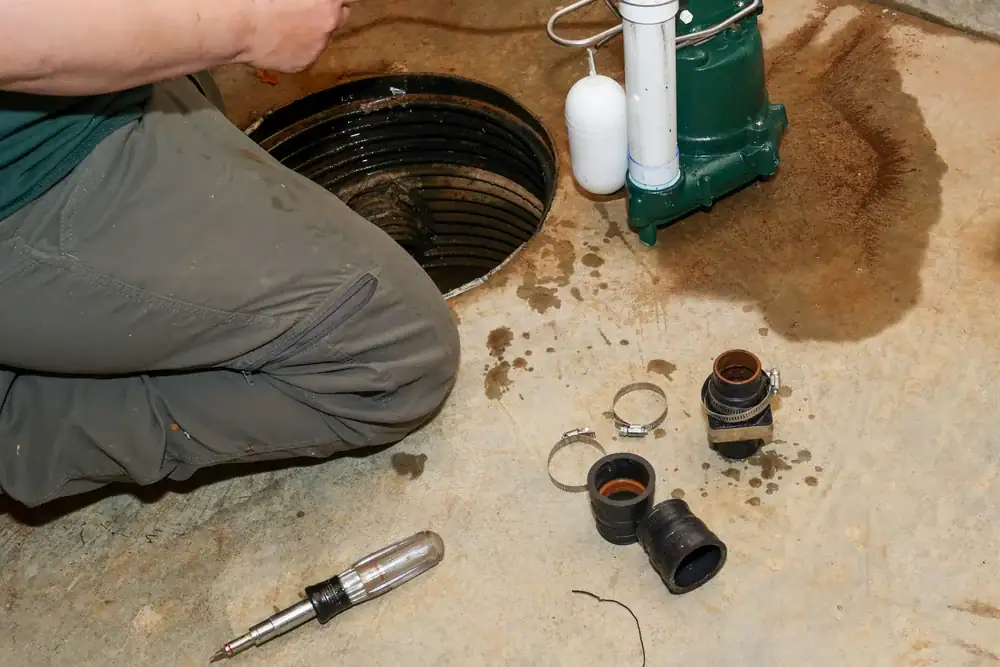
A person kneels on a basement floor in North Attleboro next to an open sump pit, with a submersible sump pump, plumbing parts, hose clamps, and screwdriver scattered nearby. Water stains mark the concrete—AC Services North Attleboro can help.

Sharon MA Basement Water Protection

Your Basement Stays Dry, Your Stress Disappears

When your sump pump system works properly, you stop worrying about every heavy rain forecast. No more rushing to the basement during storms to check for water. No more sleepless nights wondering if this will be the storm that floods your finished basement or destroys stored belongings.

Your basement becomes usable space again. You can finish it, store items safely, or simply have peace of mind knowing your foundation stays protected. The musty smells disappear. The humidity drops. Your home’s value stays intact instead of taking a hit from water damage.

Most importantly, you avoid the $1,600 to $6,900 average cost of basement flood cleanup—money that stays in your pocket instead of going to emergency restoration services.

Trusted Sharon Sump Pump Contractors

30 Years Protecting Massachusetts Basements

We’ve been keeping Sharon area homes dry since 1992. We’ve seen what Massachusetts weather can do to basements—from the March flooding that set records across eastern Massachusetts to the routine heavy rains that catch homeowners off guard.

Our trucks stay fully stocked because we know basement flooding doesn’t wait for business hours. When your sump pump fails at 2 AM during a storm, we’re the team Sharon residents call. We’ve installed systems in hundreds of local homes, and we understand the specific challenges that come with Sharon’s soil conditions and water table issues.

We’re not the cheapest option, and that’s intentional. You’re investing in a system that works when you need it most, installed by technicians who’ve been doing this for decades.

A close-up of a sump pump installed in a circular pit with water at the bottom, surrounded by connected PVC pipes and a concrete floor, commonly seen in homes serviced by an HVAC Contractor North Attleboro, MA.

Sump Pump Installation Process Sharon

Straightforward Installation, Zero Surprises

First, we assess your basement’s specific needs. Every Sharon home is different—soil conditions, existing drainage, basement layout, and water entry points all factor into the right system for your property. We measure water flow patterns and determine the best pump location.

Next, we excavate the sump pit if you don’t have one, or modify your existing pit if needed. We install the pump, connect discharge lines that route water safely away from your foundation, and set up electrical connections with proper GFCI protection. If you want battery backup (and in Sharon, you should), we install that system too.

Finally, we test everything thoroughly. We run water through the system, check all connections, and make sure your pump activates at the right water levels. You get a complete walkthrough of how everything works, plus our direct number for any questions that come up later.

A man in a basement kneels beside a sump pump, gesturing with his hands while holding a flashlight. Paint cans and tools are visible in the background, hinting at recent AC Installation North Attleboro, MA or other home improvement services.

Ready to get started?

Explore More Services

About Dempsey Energy

Get a Free Consultation

Complete Basement Water Solutions Sharon

More Than Just Pump Installation

Your sump pump installation includes everything needed for reliable operation: the pump itself, properly sized sump basin, discharge piping, check valve to prevent backflow, and professional electrical connections. We don’t cut corners on components because pump failures usually happen during the storms when you need them most.

Sharon’s location puts many homes at risk during the heavy rainfall events that have become more frequent in eastern Massachusetts. Our installations account for the local soil conditions and typical water table fluctuations that affect this area. We size systems based on your basement’s actual water intrusion patterns, not generic recommendations.

Battery backup systems make sense for most Sharon installations. Power outages during storms are common, and that’s exactly when your basement is most likely to flood. We install backup systems that automatically take over when the main pump loses power, keeping your basement protected even during extended outages.

A person in work boots stands next to a sump pump system being installed in a basement, with PVC pipes, tools, and fittings scattered on the concrete floor by an experienced HVAC Contractor North Attleboro.

How much does sump pump installation cost in Sharon, MA?

Sump pump installation in Sharon typically ranges from $1,500 to $3,300 for a complete new system, with most homeowners spending around $2,400. The final cost depends on several factors specific to your situation. If you’re replacing an existing pump, costs run lower—usually $460 to $600. But if we’re installing a completely new system, we need to excavate a sump pit, run discharge lines, and install electrical connections. Concrete floors add to the cost because they require more labor to cut and excavate. Battery backup systems add $800 to $1,500 to the total, but they’re worth considering in Sharon given the area’s history with storm-related power outages. We provide upfront pricing after assessing your specific basement conditions, so you know exactly what you’re paying before any work begins.
Submersible sump pumps work best for most Sharon installations because they handle higher water volumes and operate more quietly than pedestal pumps. They’re completely sealed units that sit inside the sump pit, which protects them from basement humidity and debris. For Sharon’s soil conditions and typical water intrusion patterns, we usually recommend ¾ horsepower submersible pumps. They provide enough capacity to handle heavy rainfall without being oversized for normal conditions. Cast iron pumps last longer than plastic, especially in areas with sandy soil that can cause wear on moving parts. The key is matching pump capacity to your basement’s actual water inflow. A pump that’s too small won’t keep up during heavy rains. A pump that’s too large cycles on and off too frequently, which shortens its lifespan. We calculate the right size based on your basement’s square footage, soil conditions, and typical water entry patterns.
Most sump pump installations in Sharon take 4 to 8 hours, depending on whether you have an existing sump pit and discharge system. If we’re installing a completely new system, plan on a full day. The excavation work takes the longest, especially if you have a concrete basement floor. We need to cut through the concrete, dig the sump pit to proper depth, and ensure it’s positioned correctly for optimal water collection. Running new discharge lines to route water away from your foundation adds time, particularly if we need to navigate around existing utilities. Replacing an existing pump in Sharon typically takes 2 to 4 hours. We can usually complete these jobs the same day you call, assuming we have the right pump in stock. Our trucks carry the most common pump sizes and types, so same-day replacement is possible for most standard installations.
Yes, battery backup makes sense for most Sharon homes because power outages and heavy rainfall often happen together. The storms that cause basement flooding are the same storms that knock out power lines, leaving your primary pump useless when you need it most. Sharon has experienced significant flooding during recent severe weather events, and many of these storms caused extended power outages. A battery backup system automatically takes over when your main pump loses power, continuing to protect your basement until power returns. Battery backup systems typically provide 8 to 12 hours of protection, depending on how frequently the pump needs to run. For Sharon’s typical storm patterns, this provides adequate coverage for most weather events. The peace of mind alone justifies the additional cost—you don’t have to worry about losing power during the next big storm.
Replace your sump pump if it’s more than 7 years old and showing signs of wear, or immediately if it’s failed to operate during recent heavy rains. Don’t wait for complete failure—sump pumps usually fail during storms when you need them most. Warning signs include unusual noises, frequent cycling on and off, visible rust or corrosion, or failure to turn on when water levels rise. If your pump runs continuously during moderate rainfall, it’s likely undersized for current conditions or wearing out. Sharon’s recent flooding events have stressed many older sump pump systems beyond their original design capacity. If your current pump struggled during the last major storm, upgrade to a higher-capacity system before the next severe weather season. The cost of upgrading is minimal compared to basement flood damage restoration.
Test your sump pump every 3 to 4 months by pouring water into the sump pit until the pump activates. This simple test confirms the pump turns on at proper water levels and actually moves water through the discharge system. Clean debris from the sump pit annually, especially if you notice leaves, dirt, or sediment accumulating. Check that the discharge line remains clear and water flows freely away from your foundation. In Sharon’s climate, ice can block discharge lines during winter, so verify the line stays clear after freezing weather. Replace the battery in backup systems every 2 to 3 years, or sooner if the system indicates low battery capacity. Schedule professional maintenance every few years to check pump alignment, test float switches, and verify all electrical connections remain secure. Regular maintenance prevents emergency failures during storms when you can’t get immediate service.