
Sump Pump Installation in Abington, MA

Keep Your Basement Dry Year-Round

Stop worrying about the next storm. Professional sump pump installation in Abington protects your basement automatically, even when you’re not home.
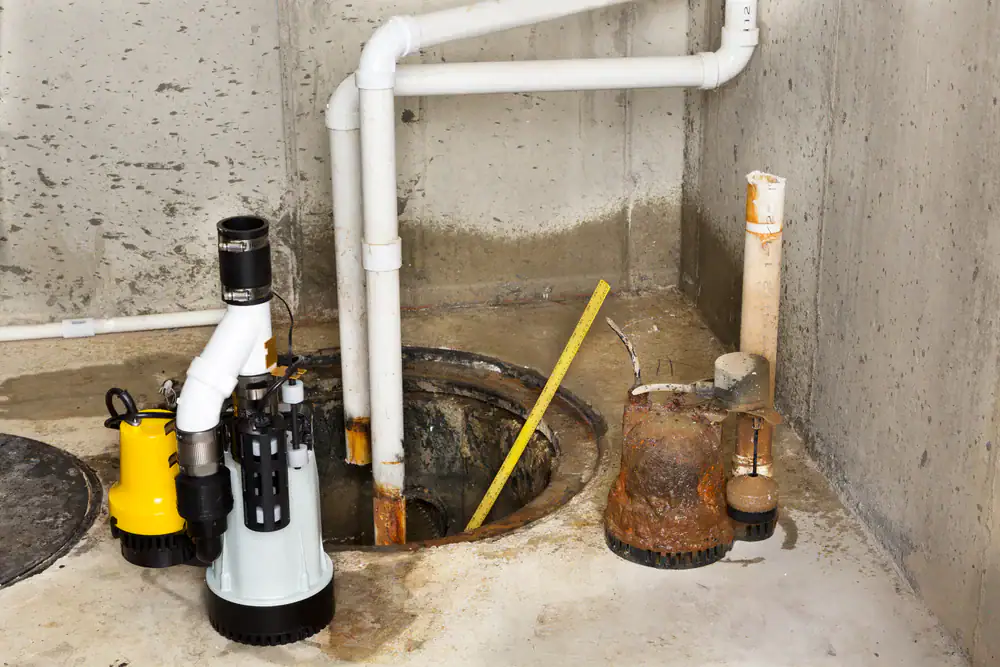
A basement sump pump system in North Attleboro, MA is shown with exposed pipes, a new black and yellow pump, an old rusty pump, and a partially open sump pit set in concrete floors against unfinished concrete walls.

We Leave Our Customers Smiling

No reviews to display yet.

Ready for 5-Star Level Service?
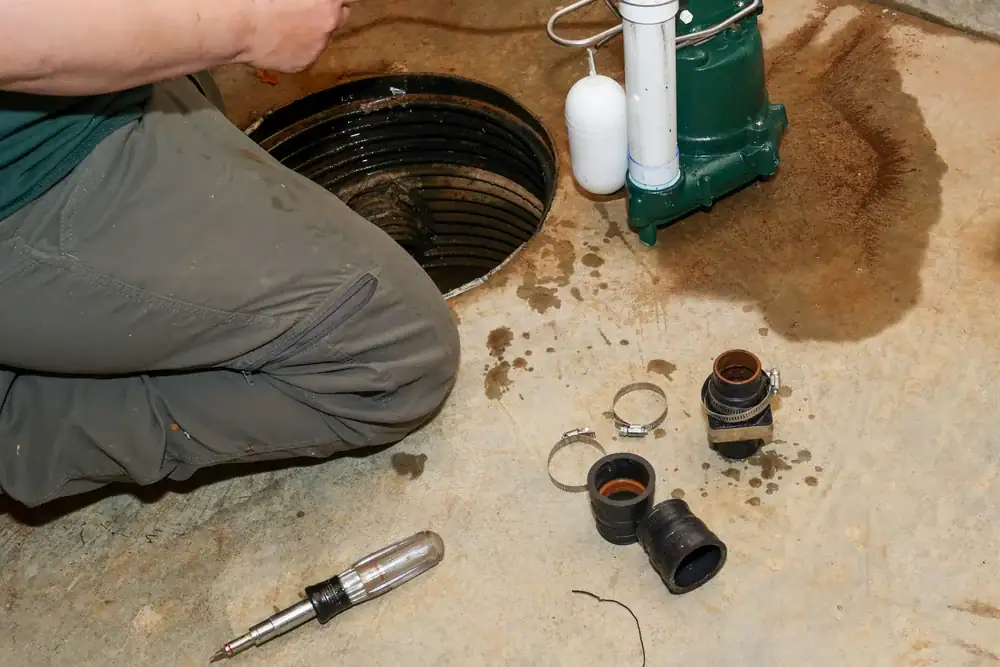
A person kneels on a basement floor in North Attleboro next to an open sump pit, with a submersible sump pump, plumbing parts, hose clamps, and screwdriver scattered nearby. Water stains mark the concrete—AC Services North Attleboro can help.

Basement Sump Pump Installation Abington

No More Flooded Basements or Ruined Belongings

You walk downstairs after a storm and your basement is completely dry. Your family photos, holiday decorations, and stored furniture are safe. That’s what proper basement sump pump installation in Abington delivers.

Nothing is more frustrating than dealing with a wet or flooded basement. Wet or moist basements and crawl spaces are sources of high humidity, which can produce surface condensation, mildew and fungi, musty odors, and an unhealthful environment for its occupants. A professionally installed basement sump pump system eliminates these problems before they start.

Massachusetts ranks ninth among the contiguous states for climate-related flood risk. However, the state’s northern communities face even greater exposure. With rivers like the Merrimack and the Concord winding through the region, heavy rainfall and spring snowmelt routinely threaten homes and infrastructure. Your basement deserves protection that works when you need it most.

Replace Sump Pump Abington Massachusetts

Local Expertise Since 1992

We started as a family oil company in 1992. Then, we added HVAC and plumbing. We’ve been protecting Abington homes for over three decades, and we understand exactly what Massachusetts weather can do to your basement.

The Towns of Abington and Rockland propose a two-year, collaborative watershed resilience project to develop a regional-scale, two-dimensional (2D) hydrologic and hydraulic stormwater model and use it to assess climate-driven flooding risks and identify effective nature-based and engineered flood mitigation strategies. This project, funded through the Massachusetts Municipal Vulnerability Preparedness (MVP) Action Grant program, will enable both towns to prepare for increasingly intense storm events, aging infrastructure challenges, and development pressures within the Taunton River Watershed. We stay current with local flood risks so we can better protect your home.

We have local technicians and years of experience. We aim to give you excellent service. When you need to replace a sump pump in Abington, you want technicians who show up on time, work efficiently, and stand behind their installation.

A close-up of a sump pump installed in a circular pit with water at the bottom, surrounded by connected PVC pipes and a concrete floor, commonly seen in homes serviced by an HVAC Contractor North Attleboro, MA.

Basement Water Pump Installation Process

Simple Installation, Lasting Protection

First, we assess your basement’s specific needs and water entry points. Every home is different, and your basement water pump installation should match your exact situation. We measure water flow, check your existing drainage, and determine the best pump location.

Next, we install your new basement sump pump system using quality components designed for Massachusetts weather. Different types of sump pumps are available on the market, including submersible and pedestal models. Submersible pumps are designed to be placed directly inside the sump pit, while pedestal pumps are elevated and sit above the pit. The choice between the two depends on factors such as the location of the pit and the amount of space available.

Finally, we test everything thoroughly and show you how your system works. Sump pumps are equipped with a float switch mechanism that activates the pump when the water level in the sump pit reaches a certain level. Once activated, the pump motor propels the water out of the pit through a discharge pipe, usually leading to the yard or a storm drain. You get a system that protects your basement automatically, 24/7.

A man in a basement kneels beside a sump pump, gesturing with his hands while holding a flashlight. Paint cans and tools are visible in the background, hinting at recent AC Installation North Attleboro, MA or other home improvement services.

Ready to get started?

Explore More Services

About Dempsey Energy

Get a Free Consultation

Sump Pump Installation Near You

Complete Protection for Abington Homes

Your sump pump installation includes everything needed for reliable basement protection. We provide the pump, pit liner, discharge piping, and professional installation. When choosing a sump pump for your basement or crawl space, look for a model with corrosion-free housing materials, a sump cover, sump pump alarm and consider adding a battery backup sump pump.

According to the state’s 2023 ResilientMass Plan, Massachusetts experiences a substantial flood event once every three years. That’s why we recommend battery backup systems for Abington homes. If there’s rising water in the sump pit and your primary pump fails to work, the battery backup sump pump will turn on and automatically begin pumping the water out of your home. A battery backup is designed to take over pumping duties if there’s a power loss, the primary pump fails, or when the water level exceeds the capacity of the primary pump.

It has been estimated that most homeowners tend to spend between $700 and $1,700 with an average of $1,100 for their sump pump installation in Boston. We provide free estimates so you know exactly what to expect, with no surprises or hidden costs.

A person in work boots stands next to a sump pump system being installed in a basement, with PVC pipes, tools, and fittings scattered on the concrete floor by an experienced HVAC Contractor North Attleboro.

How much does sump pump installation cost in Abington, MA?

As our numbers show in 2025, the average cost that homeowners paid for sump pump installation in Norfolk county is between $403.00 and $1,988.00. The average cost is $1,000 but it can go as low as $500. Before committing to a service, you must ask for an estimate for the sump pump installation in Abington to know whether it is within your budget or not. The final cost depends on several factors including the type of pump you choose, your basement’s specific conditions, and whether you need additional features like battery backup. The type of floor that you have can also have an impact on your sump pump installation project. The harder your floor is, the costlier it will get because of the difficulty of digging it. If you have cement or concrete floors in your basement, it can cost you around $2,000 to $5,000 in addition to the total cost. We provide free estimates for every Abington home, so you’ll know the exact investment before we start any work. This eliminates surprises and helps you budget properly for this important basement protection upgrade.
Submersible – A submersible type sump pump is installed in a sump pit and is designed to function underwater. Pros: Submersible pumps are quieter than pedestal pumps. With the motor inside the sump basin, submersible pumps are less obtrusive, safer in homes with children, and ideal for finished basements. Pros: Pedestal sump pumps are typically less expensive than submersible pumps and the motor being above water makes it easier to repair. Cons: The exposed motor makes pedestal pumps noisier, more likely to overheat, and a greater safety risk. For most Abington homes, we recommend submersible pumps because they’re quieter, more powerful, and work better in finished basements. Another benefit of a submersible sump pump is that the water helps to cool the motor, which is especially important during extended periods of use, like during heavy storms. Submersible sump pumps are more powerful than pedestal pumps and can pump out solids and debris that may find their way into your sump pit, making them more expensive but greatly worth the investment.
A pedestal sump pump can last for up to 25 to 30 years and it can cost you around $60 for a conventional 1/3 horsepower pump up to $200 for a ½ horsepower pump. Submersible sump pump, on the other hand, is estimated to cost around $100 to $400 with ¾ horsepower. However, its lifespan can only reach up to 15 years maximum. The lifespan depends heavily on how often your pump runs and how well it’s maintained. It is recommended that sump pumps should be cleaned and maintained at least every 3 to 4 months after installation. This is very necessary, especially if you are using the pump to dispose of water from your washing machine. Signs it’s time to replace include unusual noises, frequent cycling, rust or corrosion, or if your pump is over 10 years old. Don’t wait for failure during a storm – that’s when you need protection most. We can inspect your current system and recommend whether repair or replacement makes more sense for your situation.
The storms that flood basements tend to knock out power. For that reason it is a good idea to have a battery backup sump pump to pick up the tab when the main sump is out of commission. Unless you have a whole house generator to keep things running during power outages it is an exceptionally good idea to have at least one battery backup sump pump system. In Massachusetts, severe storms often cause power outages right when you need your sump pump most. Pros: A battery-powered backup pump can operate during a power loss or when the primary pump fails. Cons: The battery that powers the backup pump will eventually need to be recharged and can die during a long power outage. While keeping your sump pump running is a necessary precaution, checking your home and flood coverage is equally important. Certain weather events may require an additional flood insurance policy. A battery backup system provides that extra layer of protection when storms knock out power, giving you peace of mind even during extended outages.
While some homeowners attempt DIY installation, professional installation ensures your system works properly when you need it most. Sump pump installation is crucial for homeowners looking to protect their basements from flooding and water damage. This project involves selecting the appropriate sump pump type—such as pedestal, submersible, or battery backup—and ensuring that all necessary materials and labor are accounted for. Proper installation not only safeguards the property but also enhances its value by preventing potential water-related issues. Installation involves excavating the proper pit depth, ensuring correct drainage slope, connecting electrical components safely, and testing the entire system. To ensure a successful sump pump installation, it is essential to follow best practices such as conducting a thorough site assessment, selecting high-quality materials, and adhering to safety measures during excavation. Additionally, performing quality checks throughout the process, including testing the system after installation, will help confirm that the sump pump operates effectively and reliably. Mistakes during installation can lead to system failure when you need protection most. Professional installation includes permits, proper electrical connections, and warranty protection. The peace of mind knowing your basement protection was installed correctly is worth the investment.
Homeowners should consider installing a sump pump if their basement is prone to flooding. This is often an issue for homeowners located in an area with a high water table, at the bottom of a hill, or within a natural drainage way. Sump pumps are a homeowner’s first line of defense against countless potential water issues. Signs you need a sump pump include water stains on basement walls, musty odors, previous flooding, or visible water during heavy rains. Most wet basements or crawl spaces are caused by surface water accumulating around your home, which is not adequately drained away from the exterior foundation wall. This water accumulation will simply cause puddling next to your home and eventually this saturated area will have nowhere else to drain to except down into your basement or crawl space. Even if you haven’t experienced flooding yet, prevention is much less expensive than cleanup and repairs. Finally, wet basements and crawl spaces reduce the value of the house, at least by the amount that would be required to repair the damage and to eliminate the initial cause of the problem. We can assess your basement’s risk factors and recommend the best protection strategy for your Abington home.