
Sump Pump Installation in Plympton, MA

Stop Basement Flooding Before It Starts

Professional sump pump installation that keeps your Plympton home dry when Massachusetts weather strikes hardest.
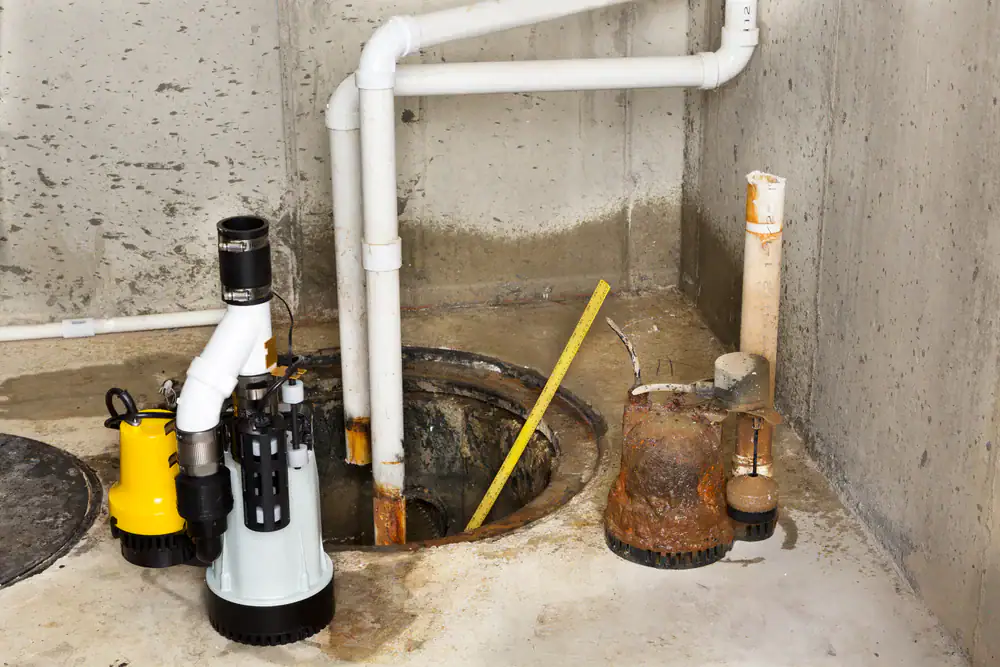
A basement sump pump system in North Attleboro, MA is shown with exposed pipes, a new black and yellow pump, an old rusty pump, and a partially open sump pit set in concrete floors against unfinished concrete walls.

We Leave Our Customers Smiling

No reviews to display yet.

Ready for 5-Star Level Service?
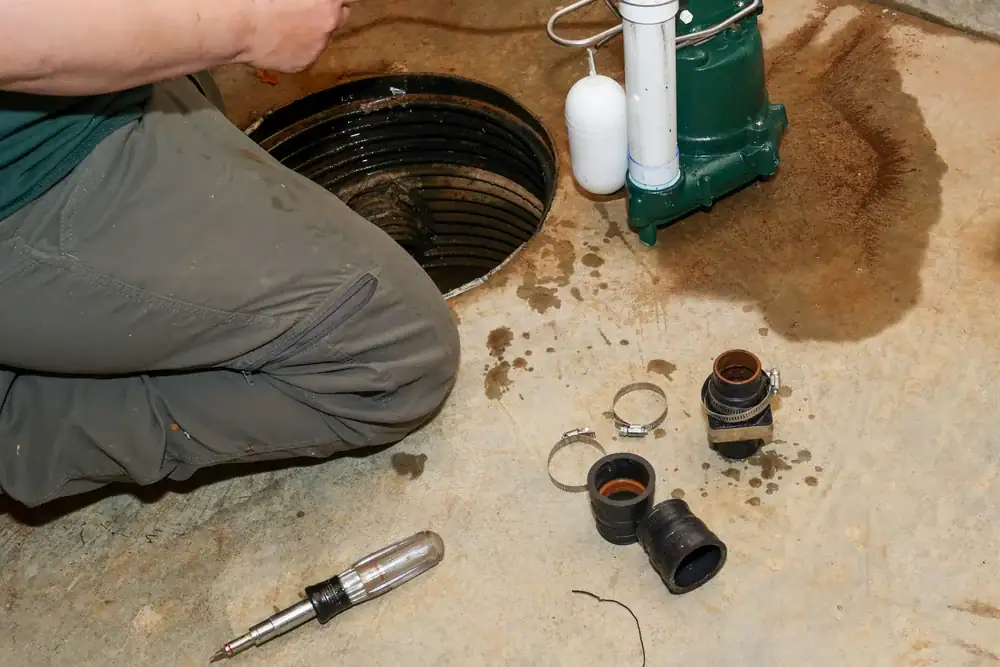
A person kneels on a basement floor in North Attleboro next to an open sump pit, with a submersible sump pump, plumbing parts, hose clamps, and screwdriver scattered nearby. Water stains mark the concrete—AC Services North Attleboro can help.

Basement Sump Pump Installation Plympton

Your Basement Stays Dry, Guaranteed

You wake up after the storm and walk downstairs to a completely dry basement. No standing water, no musty smell, no panic about your belongings or foundation damage.

That’s what proper sump pump installation delivers. While your neighbors deal with wet basements and expensive cleanup, your professionally installed system quietly does its job.

Massachusetts gets hit with heavy rainfall that can dump 3 to 8 inches in a single storm event. When that water has nowhere to go, it finds your basement. A quality sump pump system channels that water away from your home before it becomes your problem.

Plympton Sump Pump Installation Experts

30 Years Protecting Massachusetts Basements

We’ve been keeping basements dry across Massachusetts since 1992. We’ve seen what works and what fails when the real storms hit.

Our licensed plumbers understand Plympton’s soil conditions and water table challenges. We size your system correctly the first time, install it right, and make sure it’s ready when you need it most.

You’re not just getting a pump installation. You’re getting three decades of experience with Massachusetts weather patterns, local building requirements, and the specific challenges that come with our climate.

A close-up of a sump pump installed in a circular pit with water at the bottom, surrounded by connected PVC pipes and a concrete floor, commonly seen in homes serviced by an HVAC Contractor North Attleboro, MA.

Sump Pump Installation Process Plympton

Straightforward Installation, Lasting Protection

First, we assess your basement’s specific needs. Every home is different, and cookie-cutter approaches fail when you need them most. We determine the right pump size, optimal placement, and whether you need backup power protection.

Next, we install your sump basin and pump system. This includes excavating the proper pit, installing quality drainage lines, and connecting everything to code. Our trucks carry the parts we need, so there’s no waiting around for special orders.

Finally, we test everything thoroughly and show you how your new system works. You’ll know exactly what to expect, how to maintain it, and when to call us for service. Most installations complete in a single day.

A man in a basement kneels beside a sump pump, gesturing with his hands while holding a flashlight. Paint cans and tools are visible in the background, hinting at recent AC Installation North Attleboro, MA or other home improvement services.

Ready to get started?

Explore More Services

About Dempsey Energy

Get a Free Consultation

Complete Basement Sump Pump Systems

More Than Just Pump Installation

Your sump pump installation includes professional-grade components designed for Massachusetts conditions. We install submersible pumps for quiet operation and pedestal pumps where access matters most.

Battery backup systems keep you protected when storms knock out power. That’s typically when you need your pump most. We also install alarm systems that alert you if water levels rise unexpectedly.

Plympton sits in an area where groundwater and heavy rainfall create real flood risks. Climate data shows these events becoming more frequent and intense. Your system needs to handle not just today’s weather, but what’s coming in the years ahead.

A person in work boots stands next to a sump pump system being installed in a basement, with PVC pipes, tools, and fittings scattered on the concrete floor by an experienced HVAC Contractor North Attleboro.

How much does sump pump installation cost in Plympton, MA?

Sump pump installation typically costs between $800 and $1,500 in the Plympton area, depending on your specific needs. A basic submersible pump installation runs around $1,100, while systems requiring new basin excavation or battery backup can reach $2,500. The biggest cost factors are whether you need a new sump basin (requires concrete cutting), the pump size required for your home, and additional features like backup power or alarm systems. Replacing an existing pump costs significantly less than new installations. We provide upfront pricing before any work begins, so you know exactly what you’re investing in your home’s protection.
Submersible sump pumps work best for most Massachusetts basements because they operate quietly and handle higher water volumes during heavy storms. They sit completely submerged in your sump basin and typically last 10-15 years with proper maintenance. Pedestal pumps cost less initially and last longer (20-25 years), but they’re noisier and less powerful. We recommend them for homes with lower flood risk or where easy maintenance access matters most. For Massachusetts weather patterns, we often recommend adding battery backup regardless of pump type. Power outages frequently coincide with the storms that trigger your pump, leaving you vulnerable when you need protection most.
Most sump pump installations complete in 4-6 hours when replacing an existing system. New installations requiring basin excavation typically take a full day, especially if we’re cutting through concrete basement floors. The timeline depends on your basement’s current setup, soil conditions, and whether electrical work is needed. Our trucks carry common parts and tools, so we rarely need return trips for materials. We schedule installations to minimize disruption to your daily routine. Most homeowners can use their basement normally the same day we finish, though we recommend avoiding the immediate pump area for 24 hours while everything settles.
Battery backup systems are highly recommended in Massachusetts because storms that cause flooding often knock out power simultaneously. When your primary pump can’t operate, water levels rise quickly in most basements. A quality battery backup system provides 8-12 hours of protection during typical power outages. That covers most storm-related outages and gives utility crews time to restore power before your basement floods. The investment typically pays for itself the first time it prevents flood damage. Water damage restoration, damaged belongings, and foundation repairs cost far more than backup pump installation.
Sump pumps should be inspected and cleaned every 3-4 months, especially before storm seasons. This includes testing the float switch, checking discharge lines for clogs, and ensuring the backup battery holds a charge. Most sump pumps need replacement every 7-10 years, though quality installations can last longer with proper maintenance. Signs you need replacement include frequent cycling, unusual noises, visible rust or corrosion, or failure to remove water effectively. We recommend professional annual maintenance to catch problems before they cause basement flooding. It’s much cheaper than emergency calls during storms, and you’ll have confidence your system works when you need it.
Sump pump installation requires excavation, plumbing connections, and often electrical work that most homeowners shouldn’t attempt. Mistakes in sizing, placement, or installation can lead to system failure when you need it most. Professional installation ensures your pump meets local building codes, handles your home’s specific water volume, and includes proper discharge routing. We also provide warranties on both parts and labor that DIY installations don’t offer. The cost difference between professional and DIY installation is minimal when you factor in tool rental, permits, and the risk of doing it wrong. Professional installation gives you confidence that your investment will protect your home when storms hit.