
Discover expert winterization strategies and emergency plumbing solutions to protect your Canton home from costly frozen and burst pipe damage this winter.
Share:
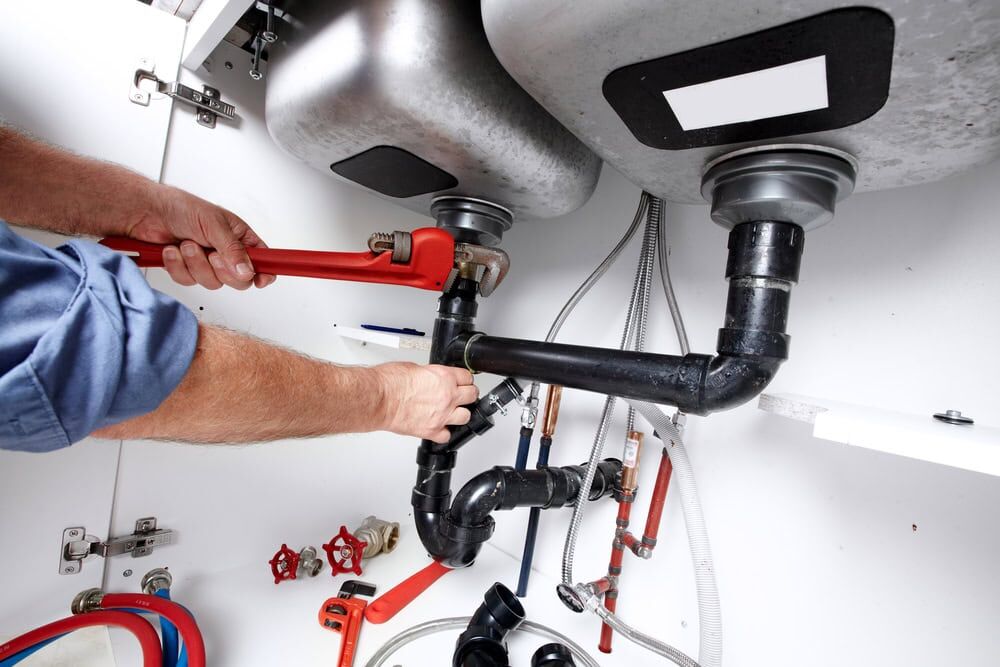
You wake up on a frigid January morning in Canton, turn on the kitchen faucet, and nothing happens. No water. Just silence. Your pipes have frozen overnight, and now you’re facing a potential disaster that could flood your home and cost thousands in repairs.
This scenario plays out for hundreds of Massachusetts homeowners every winter. But it doesn’t have to happen to you. Understanding how to protect your plumbing system and knowing when to call for professional plumbing inspection services can save you from this nightmare. Here’s what every Canton homeowner needs to know about preventing frozen pipes and handling emergencies.
Canton’s winter temperatures regularly drop below the critical 20-degree threshold where pipes begin to freeze. Your home’s plumbing system becomes especially vulnerable when these conditions persist for extended periods.
The most at-risk areas in your Canton home include pipes in basements, attics, crawl spaces, and along exterior walls – exactly the spaces where many older New England homes have their main water lines. Older pipes are particularly susceptible to freeze damage, and modern complex plumbing systems can turn a single burst pipe into catastrophic damage.
When water freezes, it expands with tremendous force. Think of a frozen soda can – as the liquid inside freezes and expands, the container bursts because it has no room for the increased volume. The same principle applies to your pipes.
The numbers are sobering. A single burst pipe can release four to eight gallons of water every minute, causing thousands of dollars in damage in less than an hour. Approximately 250,000 Americans deal with frozen pipe damage every year – and that’s just the reported cases.
In Canton specifically, the damage goes beyond just the plumbing repair. When pipes burst, thawed water floods basements, walls, and ceilings, damaging flooring, furniture, and personal belongings, often leading to expensive repairs and replacements. Persistent water exposure can weaken wooden structures, drywalls, and foundations, potentially compromising your home’s integrity and creating perfect conditions for mold growth.
The financial impact extends beyond immediate repairs. Water damage can make your home uninhabitable for weeks, forcing you into temporary housing while repairs are completed. While homeowners insurance often covers water damage from burst pipes, claims may be denied if freezing resulted from negligence like inadequate heating or insulation.
What makes this particularly frustrating for Canton homeowners is how preventable most frozen pipe situations are. Taking a few proactive steps before winter storms hit can save you significant money and stress. The key is understanding what steps to take and when professional intervention becomes necessary.

One of the biggest indicators that your pipes are likely frozen is a total lack of water flowing from any of your faucets, toilets, fixtures, showers, or tubs – this usually means the water in your supply pipes has frozen solid. But total water loss isn’t the only warning sign.
If your water flow is markedly decreased or stopped at a particular fixture, you may have frozen water somewhere in your system. Even minimal water flow during the dead of winter is extremely dangerous and needs professional attention immediately.
Visual inspection can reveal problems before they become disasters. If your home has exposed pipes in any area, keep an eye on them during winter – you should be able to see if frost is building up on your water supply lines, and if you do, you need professional help before the pipes burst.
A major red flag is noticing spots or signs of water damage around your home, which could indicate that part of your pipes has already burst and is leaking – this signals imminent danger and inevitable flooding that needs immediate professional attention. Sometimes a frozen pipe causes a leak before a full burst happens, so keep an eye out for damp patches on walls or ceilings.
Even unusual odors can signal trouble. If you notice unfamiliar, foul odors coming from your drains, this could be due to blockages in your plumbing system from frozen water in your pipes. Any foreign odors from drains during cold weather warrant professional inspection.
Effective pipe protection goes far beyond the basic advice you’ll find online. Professional winterization involves a systematic approach that addresses your home’s specific vulnerabilities.
Properly insulating pipes with pipe sleeve insulators can help keep them from freezing, but the key word is “properly.” If you have pipes in unheated areas like basements or attics, insulating them with cloth or foam can keep them from reaching freezing temperatures – but only if done correctly with the right materials and techniques.
Consider asking about insulation options after any repair work is complete. Wrapping exposed pipes today can save thousands in future repairs, and we can show you which lines require the most protection. This isn’t guesswork – we know exactly which pipes in Canton homes are most vulnerable based on local building patterns and weather conditions.
Professional pipe insulation goes well beyond wrapping pipes in foam sleeves. A comprehensive approach starts with identifying all vulnerable areas in your specific home layout. This includes checking around your foundation for cracks or gaps where cold air can seep through and sealing them – programs like Mass Save offer free home weatherization assessments to help get started.
The insulation process itself requires understanding which materials work best for different pipe types and locations. Copper pipes need different treatment than PVC, and pipes in exterior walls require more robust protection than those in interior spaces. Professional-grade insulation materials provide better protection and last longer than hardware store options.
Critical areas that homeowners often miss include pipes running through rim joists, areas where plumbing penetrates exterior walls, and connections near outdoor spigots. You’ll want to ensure valves to any outside spigots are closed and drained before cold weather hits. These transition points are where most freeze damage begins.
A professional assessment also identifies whether your home’s heating system adequately protects plumbing areas. Keeping your home’s heat set at no lower than 55 degrees is standard advice, but some homes have cold spots that require supplemental heating or additional insulation to maintain safe temperatures around pipes.
The investment in proper insulation typically pays for itself within the first prevented freeze incident. We keep frozen pipe repair costs as fair as possible, and we offer financing options for qualifying work. More importantly, proper insulation provides peace of mind throughout the winter season.

When weather forecasts show extended periods below freezing, additional protective measures become necessary. During cold snaps, you may need to leave your faucets on so water continues moving throughout your pipes. Keeping a small trickle of water running during freezing weather prevents ice formation.
Opening kitchen and bathroom cupboards allows warm air to circulate around pipes on particularly cold days, and allowing a small trickle of room-temperature water to run from faucets, especially during the night when it’s colder, provides additional protection. This technique works because moving water is much harder to freeze than stagnant water.
For extended absences during winter, more dramatic measures are necessary. If you’ll be out of town for an extended period, drain the water system by turning off the water supply and running all fixtures until no more water runs. This eliminates the water that could freeze, but it requires proper execution to avoid other plumbing issues.
Professional monitoring services can provide additional peace of mind. Some plumbing companies offer temperature monitoring systems that alert homeowners when conditions become dangerous, allowing for remote intervention before pipes freeze. Smart home technology can also help, with sensors that detect temperature drops in vulnerable areas.
Being proactive and becoming a regular customer gives you priority during the busy winter season and access to emergency help when frozen pipes strike. This relationship becomes invaluable during severe weather when emergency services are in high demand and response times can stretch for hours.
While frozen pipes can technically thaw on their own, leaving a frozen pipe as-is increases pressure within the piping, raising chances of a burst pipe – so if you suspect this problem, it’s best to contact us right away to handle thawing and repair if necessary.
The decision to call for help shouldn’t wait until you see water damage. Knowing the signs of frozen or burst pipes helps you catch problems early and avoid disruptive, expensive water damage – if you notice issues during winter, especially when temperatures have dropped below freezing, contact us right away for fast, professional diagnosis and repair before things get worse.
Professional help becomes essential when dealing with pipes in walls or electrical areas. Frozen pipes near electrical outlets should be left to a professional plumber due to safety risks. If pipes are inside walls, increase room temperature or consult a plumber rather than attempting DIY solutions.
We understand that frozen pipe emergencies don’t wait for convenient times. With 12,000 customers already trusting our expertise and our Dempsey Comfort Club providing priority service, you can count on experienced professionals who know Canton’s specific winter challenges and can respond when you need help most.
Article details:
Share:
Continue learning:


