Heat pumps offer efficient heating and cooling in one system. Find out how they work, what they cost, and whether they're right for your Massachusetts home.
Share:
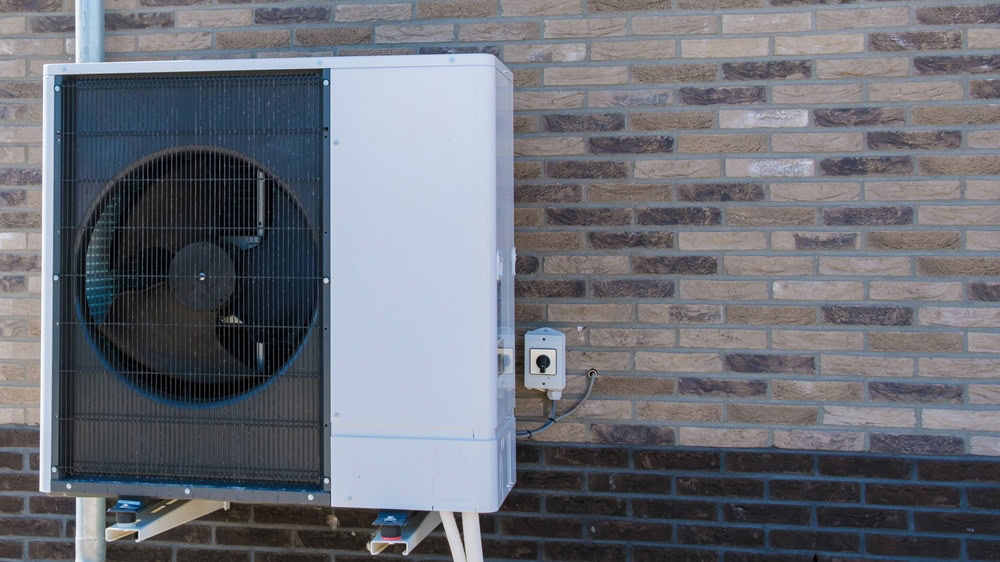
A heat pump doesn’t generate heat the way a furnace does. Instead, it moves heat from one place to another. In winter, it pulls warmth from the outdoor air and brings it inside. In summer, it reverses the process and removes heat from your home, cooling it down like an air conditioner.
The reason this matters is efficiency. Because heat pumps transfer heat rather than create it by burning fuel, they can deliver three to four times more energy than they consume. That’s a 300-400% efficiency rating compared to the 65-90% you get from even the best oil or gas furnaces.
Modern cold-climate air source heat pumps are built specifically for places like Massachusetts. They maintain full heating capacity down to 5°F and keep working efficiently even at -15°F. That covers the vast majority of our winter, with backup options available for the handful of extreme-cold days we might see each year.
One of the biggest questions homeowners ask is whether heat pumps can actually keep up when temperatures drop. The short answer is yes, but it helps to understand why older assumptions don’t apply anymore.
Heat pumps from the 1980s and 1990s struggled in cold weather. They’d lose efficiency and leave homes uncomfortable once temperatures hit freezing. That’s not the case with today’s cold-climate models.
Current air source heat pump systems are engineered to extract heat from outdoor air even when it feels freezing to us. There’s always thermal energy available, and modern compressors are designed to capture it efficiently. In eastern Massachusetts, temperatures rarely drop below 5°F more than a few days per year. Cold-climate heat pumps operate at full capacity in those conditions.
For the occasional arctic blast, you have options. Many homeowners set up a hybrid system where the heat pump handles 90% of the heating season, and an existing furnace kicks in only during extreme cold. This approach maximizes efficiency while keeping a backup in place for peace of mind.
You can also install a heat pump as your sole heating source. Plenty of Massachusetts homes do this successfully. The key is proper sizing and installation, which a qualified contractor can determine based on your home’s specific heating load.
The bottom line is that cold-weather performance is no longer a valid reason to avoid heat pumps. The technology has caught up, and thousands of New England homeowners are proving it works every winter.
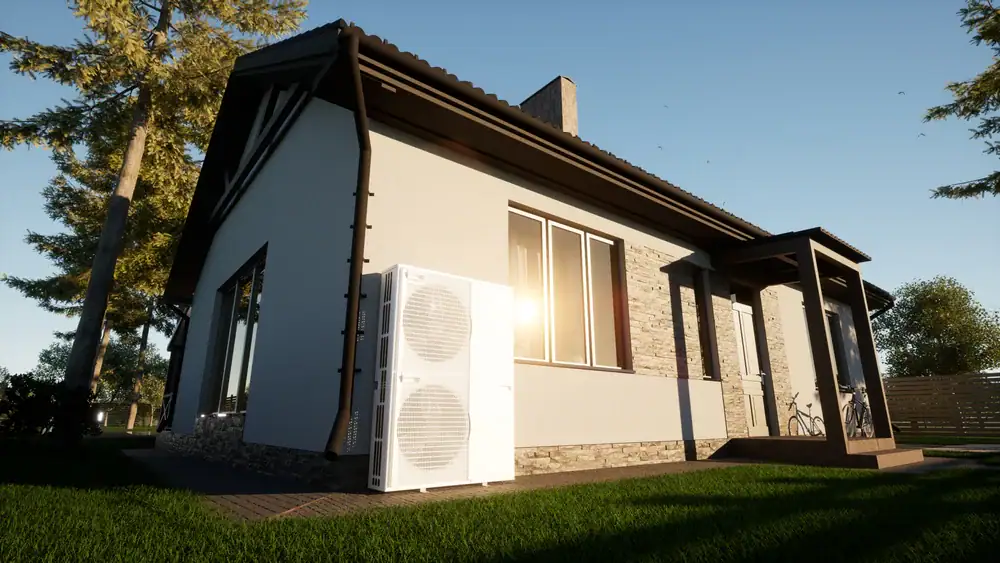
When you’re looking at heat pumps, you’ll encounter two main types: ductless mini-splits and ducted systems. Both work on the same principle, but they distribute air differently.
Ductless heat pumps, also called mini-splits, don’t require ductwork. An outdoor unit connects to one or more indoor units mounted on walls or ceilings. Each indoor unit serves a specific zone or room, and you control the temperature independently. This makes ductless systems ideal for homes without existing ducts, room additions, or situations where you want precise control over different areas.
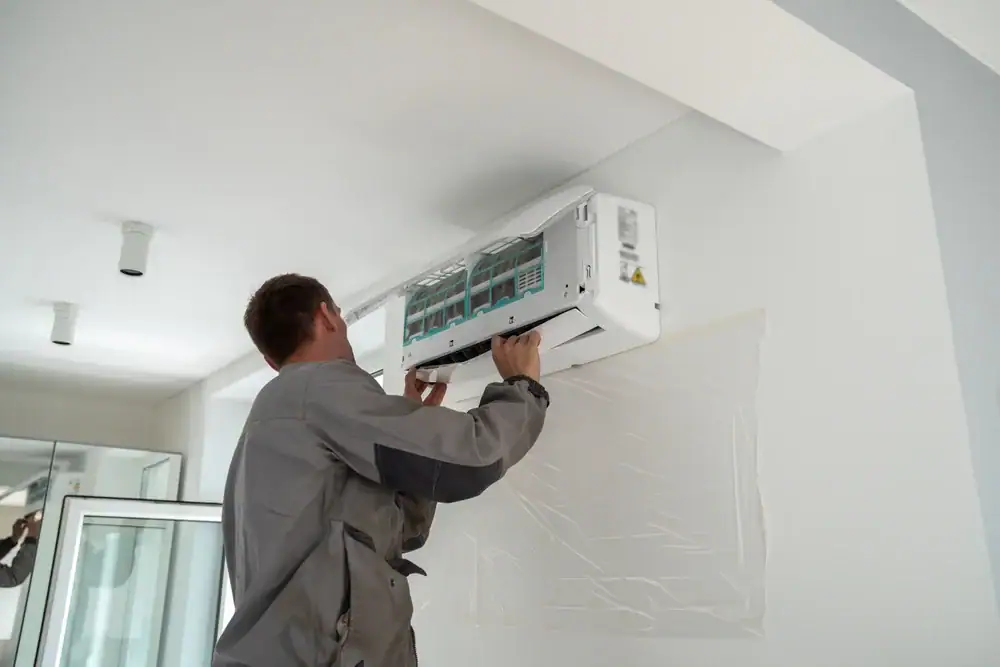
The installation is relatively quick and minimally invasive. A small hole through the wall connects the indoor and outdoor units. No major construction, no cutting through ceilings or floors. Many ductless installations are completed in a day or two.
Ducted heat pumps work with your existing ductwork, similar to a central air conditioning system. If you already have ducts in place from a forced-air furnace or AC, a ducted heat pump can often use that same infrastructure. The outdoor unit connects to an indoor air handler that distributes heated or cooled air through your ducts.
Which one makes sense depends on your home. If you have ductwork in good condition, a ducted system might be the simpler swap. If you don’t have ducts, or if your ducts are in poor shape, ductless can save you the cost and disruption of installing ductwork.
Ductless systems also tend to be more energy-efficient because they avoid the 20-30% energy loss that can occur through leaky or poorly insulated ducts. They give you room-by-room control, which means you’re not heating or cooling spaces you’re not using.
There’s no universal “better” option. It comes down to your home’s layout, your existing systems, and how you want to manage comfort in different areas. We’ll assess your situation and recommend what actually fits rather than pushing one type over the other.
Heat pumps are becoming more common in Massachusetts for reasons that go beyond environmental benefits. The practical advantages show up in monthly bills, year-round comfort, and long-term costs.
You’re replacing two systems with one. Instead of maintaining a separate furnace and air conditioner, a heat pump handles both heating and cooling. That means one system to maintain, one system to replace when the time comes, and one set of service calls.
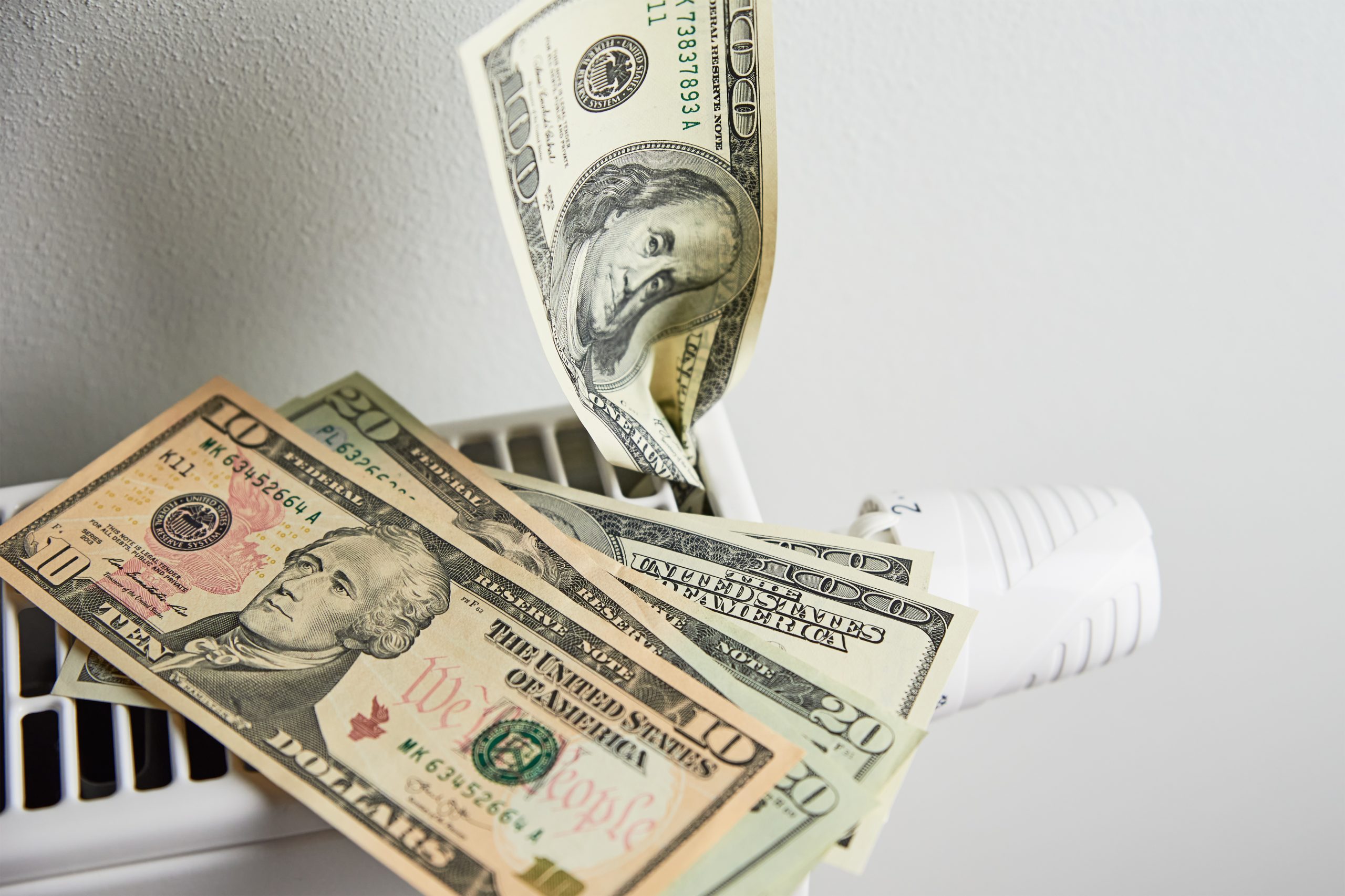
Operating costs drop significantly for most homeowners, especially those currently using oil, propane, or electric resistance heat. Heat pumps can save anywhere from $900 to $2,800 per year compared to oil heating, depending on your home size and usage. Even compared to natural gas, many households see savings, particularly with the seasonal reduced electric rates now available for heat pump users in Massachusetts.
The efficiency of heat pumps isn’t just a technical spec. It translates directly to what you pay each month.
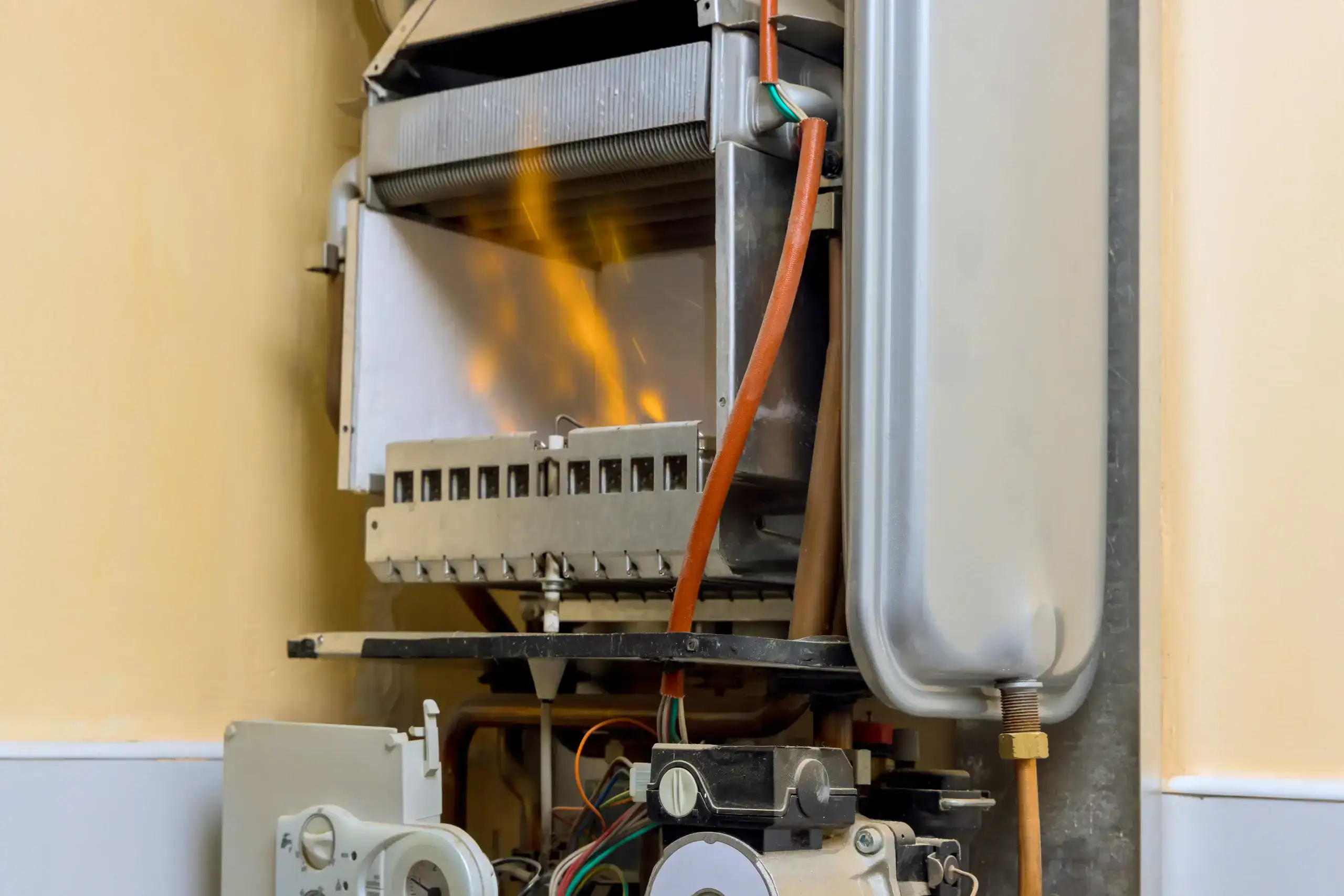
When a furnace burns oil or gas, a significant portion of that energy goes up the chimney as waste heat. Even a high-efficiency furnace operates at around 95% efficiency at best. Most older systems are in the 65-80% range.
Heat pumps don’t burn anything. They use electricity to move heat, and because of how thermodynamics works, they can move more energy than they consume. A heat pump with a coefficient of performance (COP) of 3 delivers three units of heat for every unit of electricity it uses. That’s 300% efficiency.
This efficiency advantage is why heat pumps cost less to operate than most traditional systems. You’re paying for electricity instead of oil or propane, and you’re getting more heating output per dollar spent.
Massachusetts utilities now offer seasonal reduced electric rates specifically for heat pump users during winter months. This further improves the cost equation, making electric heating more competitive even in areas where natural gas is available.
The savings aren’t hypothetical. Homeowners switching from oil heat report saving $150 or more per month during the coldest months. Over a full heating season, that adds up quickly. And because the same system provides cooling in summer, you’re also avoiding the cost of running a separate air conditioner.
Efficiency also means a smaller carbon footprint. Heat pumps reduce household greenhouse gas emissions significantly compared to burning fossil fuels. As Massachusetts’ electric grid continues adding renewable energy sources, that environmental benefit increases over time.
The upfront cost is higher than a basic furnace, but the operating savings start immediately and continue for the life of the system. When you factor in rebates and incentives, the payback period is often shorter than many homeowners expect.

Traditional heating systems blast hot air in cycles. The temperature swings up when the furnace runs, then gradually drops until it kicks on again. Heat pumps operate differently.
Most modern heat pumps use variable-speed technology. Instead of running at full blast or shutting off completely, they adjust output to match the current need. This creates a steadier, more consistent temperature without the hot-and-cold cycles.
The air coming from a heat pump feels different than furnace heat. It’s not as intensely hot, but it runs more continuously. Many people find this more comfortable once they adjust to it. You’re not getting blasted with 120-degree air; you’re getting a gentle, steady stream that maintains your desired temperature.
Ductless systems take this a step further with zone control. Each indoor unit operates independently, so you can keep bedrooms cooler, the living room warmer, and unused spaces at minimal settings. No more fighting over the thermostat or heating rooms nobody’s using.
This zoning capability also solves common comfort problems. That addition that’s always too cold? Add a ductless unit. The upstairs bedrooms that get too hot in summer? Install a zone specifically for that area. You’re targeting comfort where you actually need it.
In summer, the same system provides air conditioning without the noise and inefficiency of window units. Ductless indoor units are quiet, often running at noise levels comparable to a refrigerator. You get whole-home cooling without the ductwork rumble or the aesthetic issues of window AC units.
The dehumidification that comes with cooling is another bonus. Heat pumps naturally remove moisture from the air when operating in cooling mode, which improves comfort during humid Massachusetts summers.
All of this adds up to a living environment that feels more comfortable year-round, with fewer temperature swings, better air distribution, and the ability to customize comfort room by room if you choose a ductless setup.
Cost is usually the first question, and it’s harder to answer than you might expect because every home is different. But here’s what you can expect in Massachusetts.
Ductless heat pump systems typically range from $6,000 to $14,000 per zone, with costs decreasing per zone as you add more. A whole-home ductless setup with multiple zones might run $15,000 to $25,000 depending on the number of indoor units and the complexity of installation.
Ducted heat pump systems generally cost $16,000 to $26,000 for a whole-home installation if you already have ductwork. If you need new ductwork installed, that adds $3,000 to $7,500 or more depending on your home’s layout.
Those numbers sound high, but Massachusetts offers substantial rebates that reduce your out-of-pocket costs significantly. Mass Save provides up to $8,500 in rebates for qualifying heat pump installations in 2026. Whole-home systems qualify for $2,650 per ton up to that cap. Partial-home or supplemental systems get $1,125 per ton, also capped at $8,500.
Income-qualified households may be eligible for enhanced rebates up to $16,000, or even no-cost installations through Mass Save’s Turnkey Services program.
On top of rebates, Mass Save offers 0% HEAT Loans up to $25,000 with a seven-year term. This allows you to finance the remaining cost after rebates with no interest charges, spreading payments over time while you’re already saving on monthly energy bills.
We offer upfront rebates for eligible customers, meaning you don’t pay the full amount and wait for reimbursement. The rebate is applied at the time of installation.
Keep in mind that equipment must be ENERGY STAR Cold Climate certified and installed by a Mass Save participating contractor to qualify for rebates. We handle the paperwork and verification process as part of the installation.
When you’re comparing costs, factor in what you’re replacing. If you need both a new furnace and a new air conditioner, you’re looking at $8,000 to $15,000 for those two systems combined. A heat pump replaces both, often for a similar total cost once rebates are applied, and it operates more efficiently than either traditional system.
The other cost factor is long-term operation. Lower monthly energy bills mean you’re recovering part of your investment every month. For homeowners switching from oil or propane, the savings can be substantial enough to offset the installation cost within a few years.
Article details:
Share:
Continue learning: