Quick action during plumbing emergencies can save thousands in damage. Learn essential steps to take before help arrives.
Share:
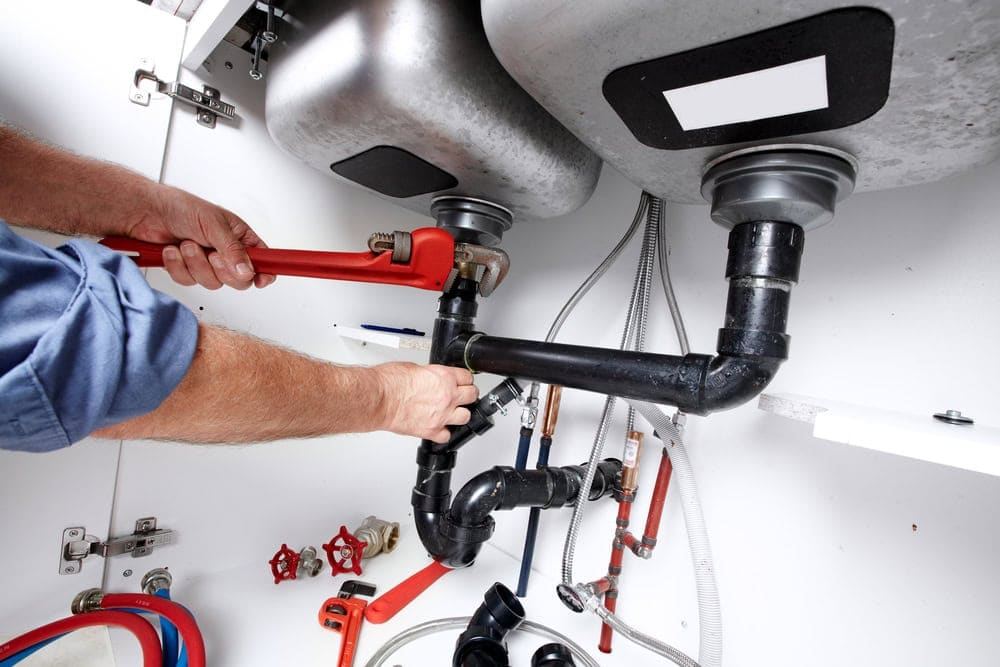
Plumbing problems don’t wait—and when a pipe bursts or your water heater fails, every minute counts. When a pipe bursts at 2 AM or your basement starts flooding during a holiday weekend, you’re facing potential thousands in water damage, and the clock is ticking.
But here’s what most homeowners don’t realize: the right actions in those first critical minutes can dramatically reduce both the damage and your repair costs. Regardless of whether you’re dealing with a burst pipe, major leak, or overflowing fixture, knowing exactly what to do before professional help arrives makes all the difference.
While taking immediate steps can help limit damage, severe plumbing emergencies require fast, expert intervention. In these situations, contacting a trusted emergency plumber ensures the problem is handled quickly and correctly, protecting both your home and your wallet.
Let’s walk through the essential steps you should take to safeguard your property and minimize damage while help is on the way.
Find the main shut-off valve—usually in your basement or near your water meter. Turning it off stops water damage and buys you time.
The moment you discover a plumbing emergency, your immediate goal is simple: stop more water from causing damage. Water can destroy flooring, walls, and belongings in minutes, so speed matters here.
For localized issues like a leaking sink or toilet, look for the individual shutoff valve near the fixture. You’ll typically find these under sinks or behind toilets. Turn the valve clockwise until it stops—this cuts water to just that area without affecting the rest of your home.
If you can’t locate the individual valve or you’re dealing with a burst pipe, head straight to your main water shutoff. This is usually located near your water meter, in the basement, or where the main line enters your home. Every homeowner should know this location before an emergency strikes.
Once you’ve stopped the water flow, you need to drain what’s already in your pipes. This step prevents additional water from leaking out and reduces pressure in your system.
Start by opening all the cold water faucets throughout your home. Begin with the lowest faucet in your house and work your way up—gravity helps move the water out more effectively. Don’t forget about outdoor spigots if it’s not freezing outside.
If your emergency involves hot water lines or you’ve shut off the main water supply, turn off your water heater immediately. For electric units, flip the breaker. For gas water heaters, turn the thermostat to “pilot” or shut off the gas supply if necessary. This prevents the unit from overheating when there’s no water flowing through it.
The draining process usually takes just a few minutes, but it can prevent gallons of additional water from adding to your problem. You’ll know you’re done when the faucets stop flowing. This simple step often makes the difference between a manageable repair and extensive water damage throughout your home.
Many homeowners skip this step in the panic of an emergency, but it’s one of the most effective ways to limit damage. The few minutes you spend draining your system can save you hundreds or even thousands in additional repairs.

Remove furniture, electronics, or anything else near the leak. This helps reduce damage and gives our plumber space to get to work quickly.
With the water stopped and pipes drained, your next priority is damage control. Move furniture, electronics, and valuables away from the affected area. Water and electricity don’t mix, so unplug any electrical devices near the leak and move them to a safe, dry location.
Roll up rugs and carpets if possible—they absorb water quickly and can be expensive to replace or professionally clean. If you have heavy furniture that can’t be easily moved, try placing aluminum foil or small wood blocks under the legs to lift them slightly above any standing water.
Clear the area where we’ll need to work. Remove items from under sinks, move boxes away from basement walls, and make sure of easy access to the problem area. This preparation saves time when we arrive and helps us get straight to work on the actual repair.
If you’re dealing with significant water, use towels, mops, or a wet/dry vacuum to remove as much as possible. Standing water can seep into subfloors and walls, causing long-term damage and potential mold growth. The faster you can get water cleaned up, the better your chances of avoiding these expensive secondary problems.
It’s tempting to open up walls or attempt a patch—but that often leads to more damage. Secure the area, then wait for a licensed tech to diagnose it right.
While waiting for us to arrive, there are a few safe temporary measures you can take to minimize ongoing damage. The key word here is “safe”—don’t attempt anything that could make the situation worse or put you at risk.
For small leaks, you might be able to slow the flow using plumber’s tape, a pipe clamp, or even duct tape as a very temporary measure. Place a bucket under drips to catch water and prevent it from spreading. Remember, these are stopgap measures only—they’re not permanent fixes.
If you’re dealing with a clogged drain that’s causing overflow, stop using any plumbing fixtures that drain to the same line. Don’t pour chemical drain cleaners down the drain, as these can damage pipes and create dangerous reactions when mixed with other substances.
For frozen pipes that haven’t burst yet, you can try gently warming the area with a hair dryer or space heater—but never use an open flame or heat gun. If the pipe has already burst, don’t attempt to thaw it yourself, as this can cause more water to flow out.
Most importantly, don’t try to make permanent repairs yourself during an emergency. Your goal is damage control, not fixing the underlying problem. Leave the actual plumbing repair to licensed professionals who have the tools and expertise to do it safely and correctly.
Stay clear of any electrical outlets or appliances near water. If water is near electrical equipment, turn off power to that area at your circuit breaker if you can do so safely. When in doubt, leave electrical issues for the professionals.

When you call for emergency plumbing service, having the right information ready speeds up our response and helps us come prepared with the necessary tools and parts.
Be ready to describe exactly what’s happening: Is water actively flowing? Where is it coming from? When did you first notice the problem? What steps have you already taken? If you’ve shut off water valves or turned off your water heater, mention that specifically.
Describe the location of the problem as clearly as possible. “The kitchen sink is leaking” is less helpful than “Water is spraying from the pipe under the kitchen sink near the garbage disposal.” The more specific you can be, the better prepared we’ll be when we arrive.
Let us know about any unusual sounds, smells, or circumstances surrounding the problem. Did you hear a loud bang before the pipe burst? Is there a sewage smell? Was anything happening in the area before the problem started? These details help us diagnose the issue faster.
If you’ve taken photos of the damage, mention that you have visual documentation available. This can be especially helpful for insurance purposes and gives us a clearer picture of what we’re walking into.
Not every plumbing problem requires an emergency call, but certain situations demand immediate professional attention. Understanding when to call can save you money while guaranteeing your home stays protected.
True emergencies include burst pipes, major leaks causing active flooding, sewer backups, gas leaks, or complete loss of water service. These situations either pose immediate safety risks or can cause extensive property damage if left unaddressed.
If water is actively flowing where it shouldn’t be, you’re likely facing an emergency. The same goes for any situation where you smell gas—evacuate immediately and call both your gas company and us for emergency service.
Ask about timing and costs upfront. We’ll give you an estimated arrival time and explain our emergency rates before dispatching a technician. This helps you plan and avoid surprise charges on your bill.
Article details:
Share:
Continue learning: