Your energy bills don't have to climb every winter. The right HVAC upgrades can cut heating and cooling costs while keeping your Massachusetts home comfortable year-round.
Share:
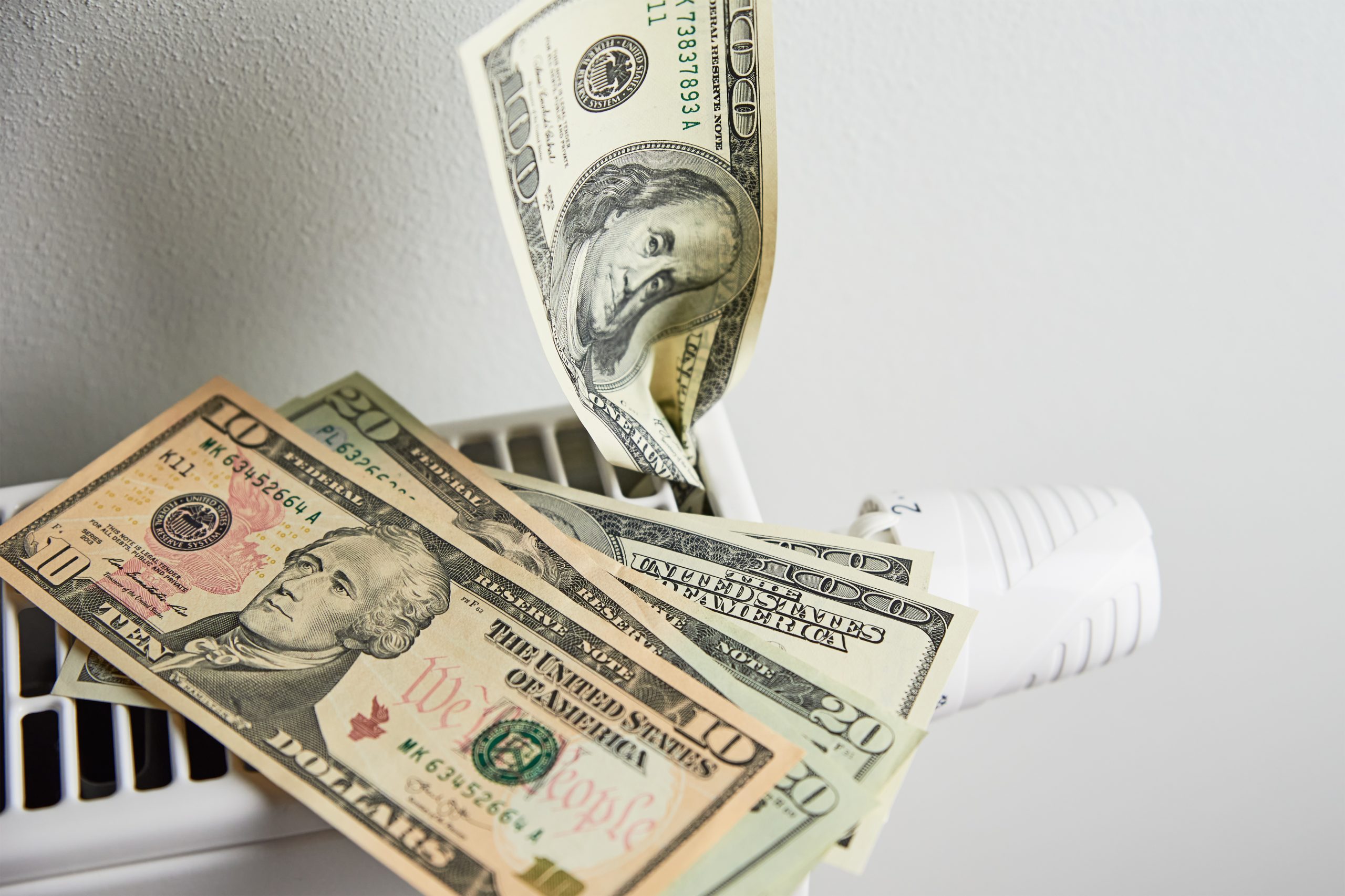
Massachusetts homeowners pay significantly more for energy than most of the country. That’s not news to anyone who’s opened a winter heating bill. What is news: modern HVAC technology has caught up to our climate, and the cost to upgrade has dropped dramatically thanks to state and federal programs.
The math is straightforward. Older systems waste energy. Newer ones don’t. A 15-year-old furnace or AC unit operates at a fraction of the efficiency of what’s available today. That gap translates directly into higher bills every single month.
But efficiency alone doesn’t tell the whole story. The real question is whether an upgrade makes financial sense for your specific situation—your home, your current system, your energy costs. That’s what the rest of this guide addresses.
Let’s talk real numbers, not marketing promises. The savings you see depend on what you’re replacing and what you’re installing.
If you’re upgrading from an old 10 SEER air conditioner to a 15 SEER system, you’re looking at roughly 33% lower cooling costs. Double that upgrade to a 20 SEER unit, and you could cut energy use in half. For a typical Plymouth County home spending $200 per month on cooling during summer, that’s $66 to $100 back in your pocket every month the AC runs.
Heating tells a similar story. Homeowners burning 1,000 gallons of heating oil at current Massachusetts prices spend close to $3,800 each winter on fuel alone. Switch to a high-efficiency heat pump, and annual savings can range from $900 to $2,800 depending on your home’s insulation and the system you choose. That’s not a small difference.
Smart thermostats add another layer. They save about 8% on heating and cooling bills on average—around $50 to $150 per year depending on your usage. It’s not dramatic, but it’s automatic. Set it once, and it adjusts temperatures when you’re asleep or away without you thinking about it.
Variable speed HVAC systems take efficiency further. These systems run at lower speeds most of the time, using up to 75% less energy than older single-stage units that blast at full capacity every time they turn on. You’re not just saving on the monthly bill—you’re extending the life of the equipment because it’s not constantly cycling on and off.
The ROI timeline matters too. Most energy-efficient HVAC upgrades pay for themselves within 3 to 7 years through lower energy costs. After that, the savings keep coming for the 15 to 20-year lifespan of the equipment. And if you’re planning to sell, a new high-efficiency system can return at least 50% of your investment in increased home value—sometimes more in markets where buyers care about energy costs.
Here’s what often gets overlooked: these savings stack. A high-efficiency heat pump paired with a smart thermostat and proper insulation delivers compounding benefits. Each upgrade makes the others work better.
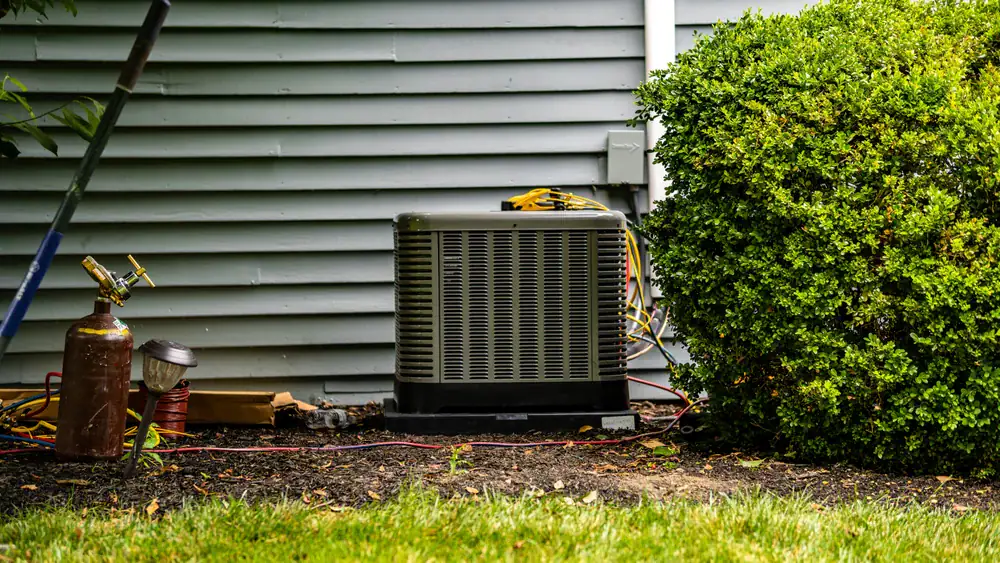
The upfront cost of HVAC upgrades stops a lot of homeowners before they even get a quote. That’s understandable. A whole-home heat pump system can start around $12,000. A high-efficiency furnace runs $6,000 to $9,000. Those aren’t small numbers.
But Massachusetts has put serious money behind making these upgrades affordable. Mass Save rebates can cover up to $10,000 for qualifying heat pump installations. That’s not a percentage—that’s ten thousand dollars off the installation cost. Add in federal tax credits, and the price gap between a basic system and a high-efficiency one narrows fast.
The Mass Save HEAT Loan program offers 0% interest financing up to $25,000 for qualifying energy upgrades. Zero percent. Not a promotional rate that jumps later—actual interest-free financing. For many homeowners, that turns a $12,000 heat pump into manageable monthly payments that cost less than the energy savings the system generates.
Smart thermostats qualify for instant rebates through Mass Save. Central air conditioning systems, insulation upgrades, and weatherization work all have their own incentive programs. The key is starting with a no-cost Home Energy Assessment, which identifies exactly which upgrades your home qualifies for and how much you can save.
Here’s how it typically works: you schedule the assessment, they evaluate your current system and home, you get a detailed report showing eligible rebates, and then you decide which upgrades make sense. There’s no obligation, no sales pressure—just information.
One thing to watch: these programs change. Rebate amounts, qualifying equipment, and available incentives shift based on state budgets and policy priorities. What’s available today might not be available next year. That’s not a scare tactic—it’s just how energy policy works. If you’ve been thinking about upgrading, checking current incentives is worth your time.
The combination of Mass Save rebates, federal tax credits, and 0% financing has made this the most affordable time in recent memory to upgrade your HVAC system. For homeowners in Plymouth, Bristol, and Norfolk Counties, that means the systems that deliver the best long-term savings are actually within reach upfront.
Not every upgrade makes sense for every home. Your current system, your home’s insulation, your heating fuel, and your budget all factor into which improvements deliver the best return.
The upgrades that tend to make the most financial sense in Massachusetts fall into a few categories: heat pumps for homes currently using oil or propane, high-efficiency furnaces for natural gas homes, variable speed systems for anyone replacing existing equipment, and smart thermostats for everyone. Each addresses a different part of your energy costs.
What matters most is matching the upgrade to your situation. A heat pump makes tremendous sense if you’re burning expensive heating oil. Less so if you already have cheap natural gas. A smart thermostat delivers immediate savings regardless of your heating fuel. Variable speed technology costs more upfront but saves more long-term if you’re replacing equipment anyway.
The biggest question Massachusetts homeowners ask about heat pumps: will this thing actually keep my house warm when it’s 10 degrees outside?
Fair question. Older heat pumps struggled in cold weather. That’s where the skepticism comes from. But modern cold-climate heat pumps are built differently. They’re designed specifically for places like New England where winter isn’t optional.
Today’s systems work efficiently down to -13°F for many models. They don’t just survive cold weather—they deliver heat efficiently at temperatures well below freezing. That covers the vast majority of winter days in Plymouth, Bristol, and Norfolk Counties. On the handful of nights each year when temperatures drop into the single digits, the system works harder but still performs.
Here’s what the spec sheets don’t tell you: heat pumps work by moving heat rather than generating it. That’s why they’re so efficient—they can deliver 2 to 4 units of heat for every unit of electricity they consume. A high-efficiency furnace tops out around 95% efficiency, meaning 5% of your fuel literally goes up the chimney. Heat pumps routinely exceed 300% efficiency because they’re not burning fuel—they’re transferring heat that already exists in the outdoor air.
The performance difference shows up in your bills. Homeowners switching from oil heat to heat pumps often see annual savings of $900 to $2,800. The range depends on oil prices, electricity rates, and how well your home is insulated. Better insulation means the heat pump doesn’t have to work as hard, which means lower operating costs.
One option that’s gaining traction: dual-fuel systems. These pair a heat pump with your existing furnace. The heat pump handles the majority of the heating season when temperatures are moderate, delivering maximum efficiency. When it gets truly cold, the furnace automatically takes over. You get the efficiency benefits of the heat pump most of the time, with the reliability of the furnace as backup. It’s not an either-or decision.
Installation matters as much as the equipment. A properly sized and installed heat pump delivers consistent comfort and maximum efficiency. Too small, and it runs constantly. Too large, and it cycles on and off too frequently, wasting energy. That’s why working with experienced installers who understand Massachusetts climate and housing stock makes a difference in real-world performance.
For homes currently heating with oil or propane, heat pumps represent one of the clearest paths to lower energy bills. The technology works. The rebates are substantial. And the long-term savings are real.
Smart thermostats don’t replace your HVAC system—they make whatever system you have work smarter. That’s the appeal. Whether you’re keeping your current furnace or installing a new heat pump, a smart thermostat delivers savings either way.
The technology is straightforward. Smart thermostats learn your schedule and adjust temperatures automatically. You set your preferences once, and the system handles the rest. When you’re asleep or away, it lowers heating or raises cooling to save energy. Before you wake up or come home, it adjusts back to your comfort level. You don’t sacrifice comfort—you just stop heating or cooling an empty house.
The savings average around 8% on heating and cooling costs, which translates to roughly $50 to $150 per year for most Massachusetts homes. That might not sound dramatic, but smart thermostats typically cost $100 to $300 after Mass Save rebates, which means they pay for themselves in 1 to 3 years. After that, the savings continue for as long as you own the device.
Remote control is another benefit that’s hard to quantify but genuinely useful. Forgot to adjust the temperature before leaving for a long weekend? Change it from your phone. Unseasonably cold day and you want the house warmer when you get home? Adjust it from work. The convenience isn’t the main selling point, but it’s the feature people mention most once they have one.
Variable speed systems work differently but deliver similar efficiency gains through smarter operation. Traditional HVAC systems operate at one speed: full blast. They turn on at 100% capacity, heat or cool your home to the set temperature, then shut off completely. That on-off cycling wastes energy because starting up uses significantly more power than running at a steady state.
Variable speed systems can operate at multiple speeds—sometimes adjusting in 1% increments. They run at lower speeds most of the time, using up to 75% less energy than single-stage systems. Instead of blasting air and shutting off, they maintain a consistent low-level operation that keeps your home at a steady temperature while using far less electricity.
The comfort difference is noticeable. Single-stage systems create temperature swings—too warm, then too cool, then too warm again. Variable speed systems maintain more consistent temperatures because they’re continuously making small adjustments rather than big on-off cycles. You also get better humidity control in summer and quieter operation because the system isn’t constantly ramping up to full speed.
The upfront cost is higher. Variable speed systems typically cost 30% more than single-stage equipment. But if you’re replacing your HVAC system anyway, the incremental cost is offset by lower operating costs and longer equipment life. The constant cycling of single-stage systems creates more wear and tear. Variable speed systems run more hours but at lower intensity, which tends to extend their lifespan.
For homeowners in Massachusetts looking to maximize energy savings, the combination of a high-efficiency heat pump or furnace, variable speed technology, and a smart thermostat delivers the best results. Each component makes the others work better, and the combined savings typically exceed what any single upgrade would achieve alone.
The right HVAC upgrade depends on your current system, your home, and what you’re trying to accomplish. Heat pumps make tremendous sense if you’re burning oil or propane. Smart thermostats deliver immediate savings regardless of your heating fuel. Variable speed technology costs more upfront but saves more over time. High-efficiency furnaces work well if you already have natural gas.
What matters most: the upgrades that deliver real savings in Massachusetts are more affordable now than they’ve been in years. Mass Save rebates, federal incentives, and 0% financing have made the systems with the best long-term ROI accessible to more homeowners.
If you’re in Plymouth, Bristol, or Norfolk County and you’re tired of high energy bills or worried about your aging system, we can walk you through which upgrades make sense for your specific situation. No pressure, just straight answers about what to expect and what the numbers actually look like for your home.
Article details:
Share:
Continue learning: