
We Leave Our Customers Smiling
Ready for 5-Star Level Service?

Sooner or later your oil boiler quits, and in Newton that decision comes with more noise than almost anywhere else in Massachusetts. The city is one of 10 communities in the state’s Fossil Fuel Free building program, and its Climate Action Plan points toward moving off natural gas by 2050. You’re not wrong to wonder whether gas is still a smart move.
Here’s what a good oil to gas conversion in Newton gets you: an actual answer. You learn whether gas reaches your street, what the whole job costs, and how gas stacks up against a heat pump in your house. The typical Massachusetts range is $5,000 to $15,000. Mass Save stopped paying rebates on gas equipment on October 1, 2024, so we run the payback with no rebate in the math.
Your house matters too. About half of Newton’s homes were built before 1939, so the boiler in a Newton Centre, Auburndale, or Newtonville basement may be decades old and due anyway. When the replacement is already coming, oil to gas heating conversion in Newton stops being an extra expense and becomes a choice between two ways to spend the same money.
The city’s all-electric rule is written for new construction and major renovations. Whether it touches a straight oil boiler conversion to gas in Newton is something we confirm with the city, not guess at. If an addition is in your plans, that check happens before we quote.
Dempsey Energy is a family-owned company that started out delivering heating oil and grew into heating, cooling, and plumbing. That history matters when you’re leaving oil behind. We know how these systems age, what the delivery side looks like, and what usually turns up in the basement once the old boiler is on its way out.
We’ve worked with more than 12,000 homeowners, and we handle oil to gas conversion in neighboring Needham too. Newton’s mix of pre-war houses, two-family homes, and village-by-village streets is the kind of housing we plan for. We track every service call and follow up to make sure the work holds up, because that’s where heating companies earn or lose trust.
If you’ve been searching for oil to gas conversion near you and the pages all sound the same, call us. You’ll get plain answers, including “keep what you have” when that’s the right one.
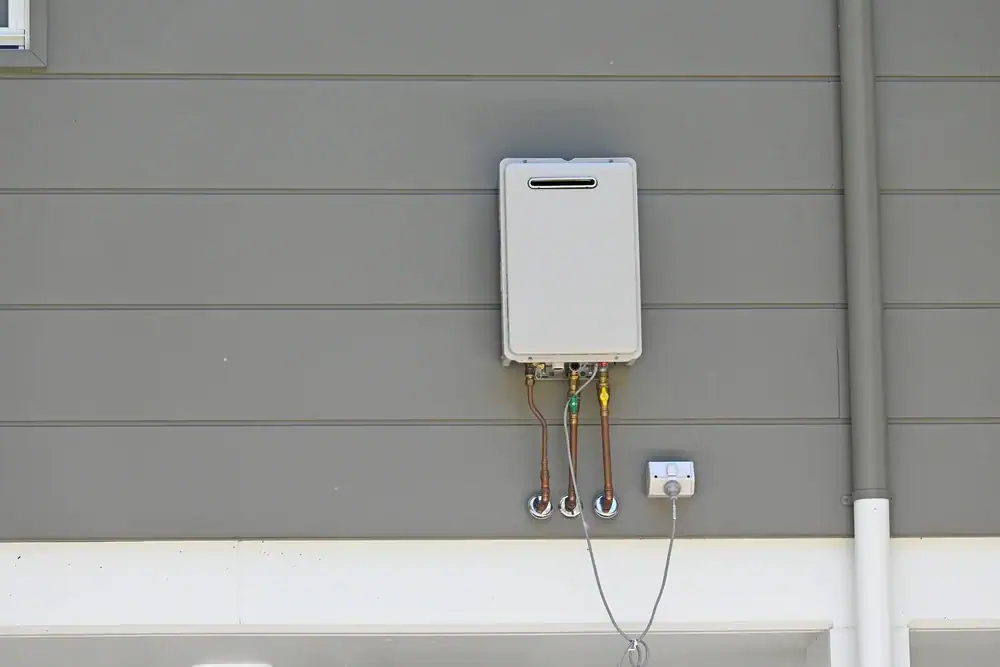
Every oil to gas conversion in Newton starts with a visit. We look at the age and condition of your boiler or furnace, the tank, the chimney, and whether your radiators or ducts are in good shape. We also check whether gas is available on your street, because that decides everything after it. The scope goes in writing, so you can see what’s in the price and what isn’t.
Then comes paperwork, and in Newton it runs through more than one office. A licensed gas fitter signs the gas permit, which goes through the city’s Inspectional Services Department. Removing an oil tank or burner has its own Fire Department permit category. We confirm the current steps with the city before we start, and we handle the filings. The utility, most likely National Grid, installs the service line and meter, and we coordinate that request. Service-line work is typically scheduled within 2 to 4 weeks of approval, though some jobs take longer.
On a typical oil furnace conversion to gas in Newton, the install takes 1 to 2 days. We remove the old oil equipment, set the new furnace or boiler, run the venting, add a chimney liner where it’s needed, and test everything for safety. After the city inspects, the utility sets the meter and you’re on gas.
If you can, start in spring or summer. A boiler that dies in January leaves very little room for permits and utility scheduling.
Ready to get started?
A full oil furnace conversion to gas in Newton covers more than the new equipment. You get the assessment, the gas availability check, utility paperwork, city permits, removal of the old oil system, a new high-efficiency gas furnace or boiler, venting, and safety testing. Newer gas equipment runs at 90 to 95 percent efficiency, compared with 70 to 80 percent for older oil units.
Gas heating installation in Newton’s older houses tends to add its own line items. Masonry chimneys in places like Newton Highlands, West Newton, and Waban can need a liner for gas venting. The oil tank comes out in the same job, which matters when the basement is finished or tight. If the old boiler has legacy pipe insulation, we coordinate asbestos remediation so you’re not hunting for a separate company. Two-family houses are common here, and we write the scope so it’s clear what’s being replaced and what’s staying.
After oil heating replacement in Newton, you can join the Dempsey Comfort Club, our membership program. It typically includes priority scheduling for routine and emergency calls, member discounts on service, and extended warranty options. The specifics can vary, so ask us what’s current. Equipment carries a manufacturer warranty that typically runs 10 to 20 years, and we’ll put any labor warranty in writing.
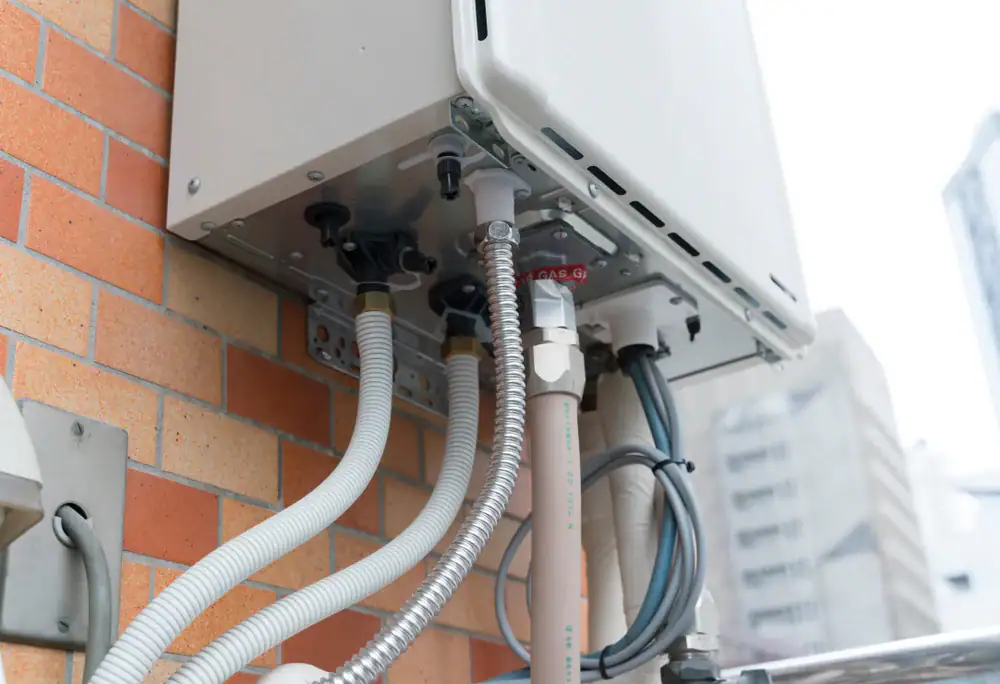
Most oil to gas conversions in Massachusetts land between $5,000 and $15,000. The range is wide because the price follows your house, not a formula. The big movers are the distance from the street main to your foundation, the utility’s service-line fees, how much gas piping runs inside, whether the chimney needs a liner, and whether the oil tank is above ground or buried.
Cost guides break the pieces down roughly like this: utility connection from about $500 to $3,000 or more, interior gas piping at $500 to $2,000, a new furnace or boiler at $3,000 to $7,000 installed, and permits at $200 to $800. Tank removal runs $500 to $1,500 for an above-ground tank and $1,000 to $3,000 for a buried one.
Oil boiler conversion to gas in Newton often hits the higher end of those pieces, because chimneys, tanks, and old pipe insulation come with age. That’s why we want to see the basement before putting a number in writing.
It can, depending on what else you’re doing. Since January 1, 2025, Newton requires new construction and major renovations to use electricity instead of fossil fuels for heating, cooling, cooking, and clothes drying. Hot water has to be electric or thermal solar. Since January 1, 2026, major renovations and additions over 1,000 square feet can’t keep gas cooking. In a major renovation the renovated area has to be fully electrified, and for an addition only the addition has to comply.
What we haven’t seen is language that addresses a straight swap of an oil boiler for a gas one in an existing house with no major renovation. We won’t tell you it’s exempt, and we won’t tell you it’s banned. If you’re planning an addition or a big renovation, call Newton’s Inspectional Services Department at (617) 796-1060, or let us confirm it during your quote. Do that before you sign anything for gas heating installation in Newton.
Not always, so don’t assume. Newton is denser than most of Massachusetts, which helps, but gas on the next street over doesn’t mean there’s a main on yours. Availability decides whether an oil furnace conversion to gas in Newton is simple or slow, so we check with the utility first. National Grid is the usual contact in Newton, and we confirm who serves your street.
If the main is out front, the utility runs a service line to the house and sets the meter after your inspection passes. That’s typically scheduled within 2 to 4 weeks of approval, though some jobs run longer. If there’s no main, it becomes an extension request, which can take anywhere from 6 months to 2 years. Neighbors signing up helps.
One Newton wrinkle: National Grid has been asking the city for permission to open roads and replace aging gas mains and service lines. Ask what’s planned on your street so your conversion doesn’t land right before a dig.
Sometimes, and we’ll tell you when. We install heat pumps and mini-splits along with gas equipment, so we have no reason to push one over the other. For oil heating replacement in Newton, the right answer depends on your house, your plans, and your budget.
Gas tends to fit when you have working radiators or ducts, gas is already at the street, and you want a lower upfront cost. Heat pumps tend to fit when you want to move off fossil fuels, and the incentives are real. National Grid cites rebates up to $13,500 and 7-year 0% financing for heat pumps, while gas equipment no longer gets rebates.
Newton adds a question most towns don’t face. The city’s climate plan points away from gas by 2050, and National Grid has filed for a rate increase. If you plan to stay 10 years or more, weigh that. If your oil system is newer and efficient, the honest answer may be to keep it. We’ll lay out the options with real numbers for your house, and a heating system conversion in Newton only goes forward if it makes sense for you.
It comes out, or it’s properly taken out of service, and that’s part of the job rather than a separate project. An above-ground basement tank is usually the simpler case, with removal running $500 to $1,500 in cost guides. A buried tank is different. It can require an environmental assessment, and removal typically runs $1,000 to $3,000 before any soil issues come up.
For oil to gas conversion in Newton, tank and burner removal has its own Fire Department permit category, separate from the gas permit. We confirm the current requirements with the city before we start and handle the filing, so you aren’t chasing two offices.
Once the tank is gone, you get the floor space back. In an older Newton basement that’s finished or just cramped, that matters. Tell us what’s down there when we visit, and we’ll plan the route out around it.
It can be, and it mostly comes down to timing. Mass Save ended rebates for gas, oil, and propane heating equipment on October 1, 2024, with an exception for low-income households. Some contractor pages still advertise them, so don’t count on one.
Here’s the math. On a $5,000 job saving $1,000 a year, payback is about 5 years. Contractors commonly estimate savings of $800 to $1,000 a year, but your number depends on rates, your equipment, and how much heat you use.
Gas rates aren’t fixed either. National Grid’s January 2026 rate case would add about 8.4 percent, or roughly $24 a month, to average winter bills in its Boston Gas territory if approved. Newton is generally listed there, and we’d confirm it for your street. Oil to gas heating conversion in Newton pays off most when your oil system is already due, you’ll stay about 10 years, and gas reaches your street without a costly extension. If that’s not you, we’ll say so. Ask about financing while you’re at it.
Other Services we provide in Newton