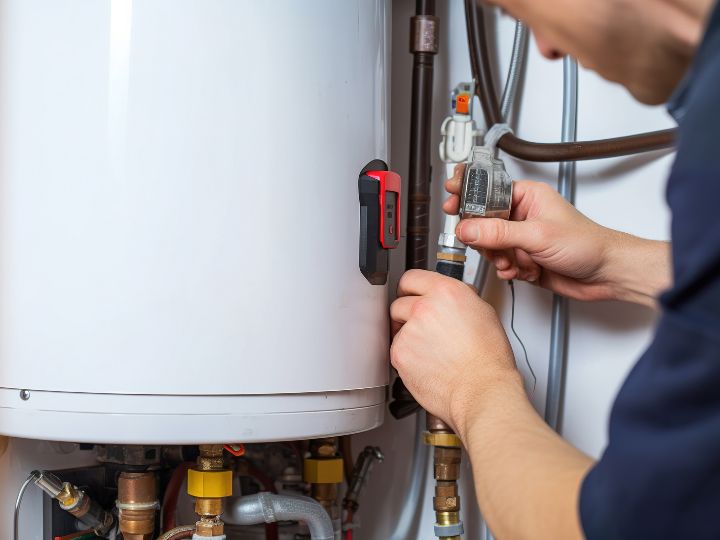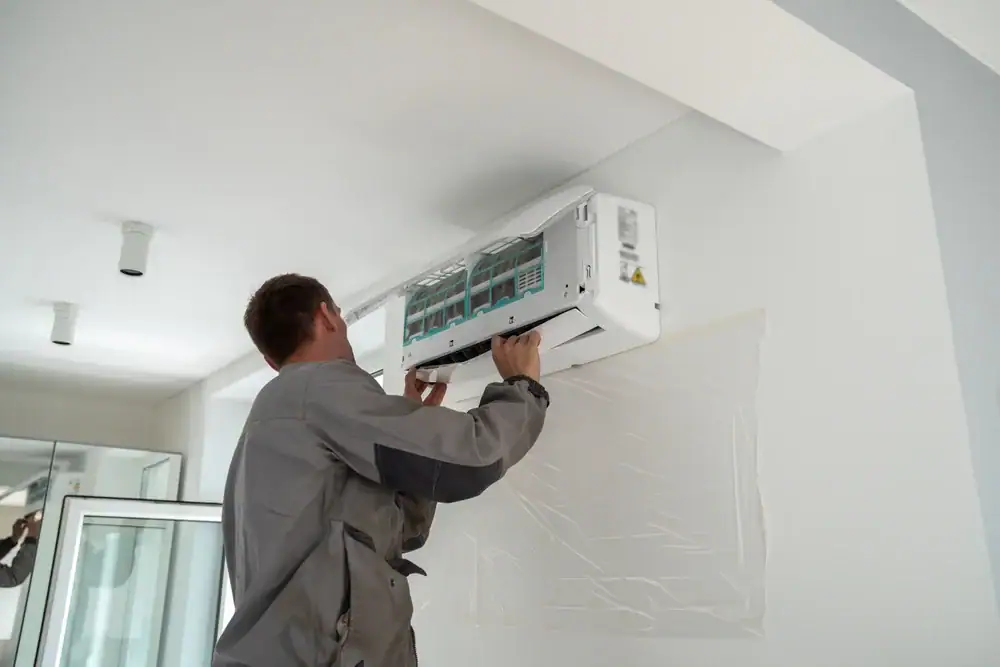
Simple DIY HVAC maintenance tasks Massachusetts homeowners can handle between professional tune-ups to keep systems running efficiently year-round.
Share:
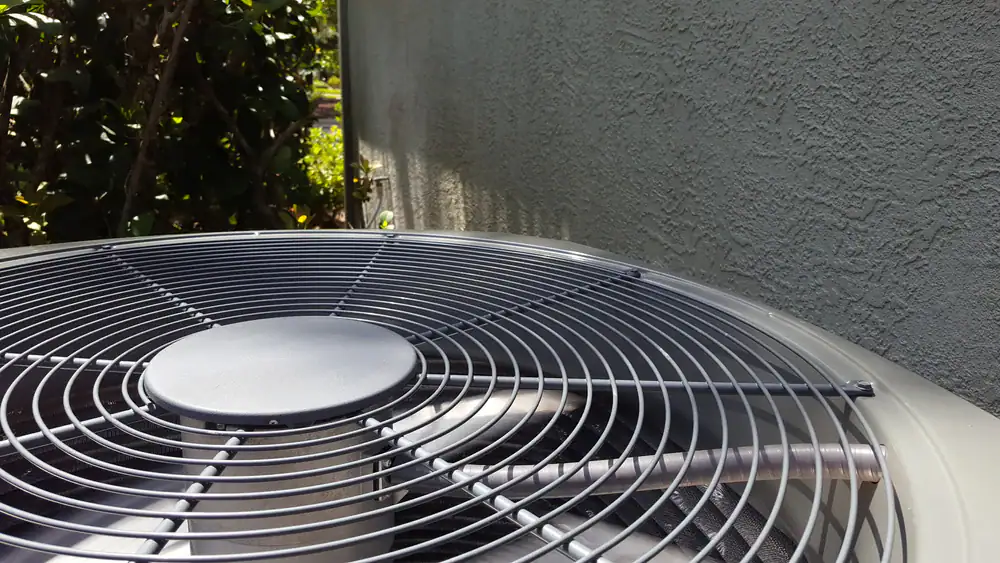
Air filter replacement stands as the single most important DIY maintenance task you can perform. Your filter works overtime in Massachusetts, capturing everything from spring pollen to winter dust and pet dander.
Check your filter monthly and replace it every 1-3 months depending on your situation. Homes with pets, smokers, or family members with allergies need more frequent changes—sometimes monthly. A clogged filter forces your system to work harder, drives up energy bills, and can cause your system to overheat and shut down.
The filter location varies by system, but you’ll typically find it where the return air duct meets your furnace or air handler. Turn off your system before removing the old filter, note the airflow direction arrows, and install the new filter facing the same way.
Not all filters work the same way, and choosing the wrong one can actually hurt your system’s performance. Standard fiberglass filters cost less but only catch large particles. Pleated filters capture more dust and allergens but create more airflow resistance.
MERV ratings tell you how much a filter captures—higher numbers catch more particles but also restrict more airflow. Most residential systems work best with MERV 8-11 filters. Going higher without checking your system’s specifications can reduce airflow enough to cause problems.
Avoid washable filters unless you’re committed to cleaning them regularly. Most homeowners find disposable pleated filters more practical and effective. Buy filters in bulk when you find a good price, but check the size carefully—even small differences can let unfiltered air bypass the filter entirely.
Your local hardware store carries common sizes, but unusual dimensions might require ordering online. Keep a spare filter on hand so you’re never caught without one when the old filter is completely clogged.
Massachusetts weather creates specific challenges for your HVAC filter. Spring brings heavy pollen loads that can clog filters quickly. Summer humidity can make filters damp, reducing their effectiveness. Fall leaf debris and winter heating cycles create different demands.
During peak pollen season in late April and May, check your filter every two weeks. You might need to change it more frequently than usual. A filter that looks clean on the edges might be completely clogged in the center where most air passes through.
Winter heating creates dry conditions that stir up dust throughout your home. Static electricity makes particles stick to surfaces, including your filter. Check filters more often during the heating season, especially if you notice dust accumulating on furniture faster than usual.
Summer air conditioning removes moisture from your home, but that moisture has to go somewhere. If your filter gets damp, it can become a breeding ground for mold and bacteria. Replace damp filters immediately, and consider whether your system has drainage issues that need professional attention.
Your outdoor condenser unit needs attention throughout the year, but the work changes with Massachusetts seasons. Spring preparation gets your system ready for cooling season, while fall maintenance prepares for heating season and protects equipment during winter months.
Start by clearing debris from around the unit. Remove leaves, branches, and any items stored too close to the equipment. Your condenser needs at least two feet of clearance on all sides for proper airflow. Trim back vegetation that has grown too close during the off-season.
The outdoor coils collect dirt, pollen, and debris that reduce efficiency. You can carefully clean the exterior coils with a garden hose, spraying from inside the unit outward to avoid pushing debris deeper into the coils. Never use a pressure washer—the high pressure can damage the delicate fins.
Massachusetts winters can be hard on outdoor HVAC equipment, but proper preparation prevents most weather-related problems. If you have a heat pump, it needs to run year-round, so never cover the entire unit. However, you can protect the top from falling ice and debris with a piece of plywood or specialized cover.
For air conditioning condensers that shut down for winter, you can cover just the top to prevent debris from falling into the unit. Avoid covering the sides—trapped moisture can cause more problems than the weather you’re trying to protect against.
Snow and ice buildup around your heat pump can block airflow and damage equipment. Keep the area around the unit clear, and gently remove snow buildup from the unit itself. Never use salt or ice melt chemicals near the equipment—they can corrode metal components.
Check that your unit sits level on its pad. Frost heaving can shift equipment over time, and an unlevel unit puts extra strain on the compressor. If you notice the unit has shifted, contact a professional to level it properly before running the system.
Before firing up your air conditioning for the first warm day, take a few minutes to prepare the system. Remove any winter covers and clear away debris that accumulated during the off-season. Check that nothing has made a home in or around your equipment—small animals sometimes nest in unused units.
Inspect the electrical connections at the outdoor unit. Look for any obvious damage like burned or corroded wires, but don’t attempt repairs yourself. If you see problems, call a professional before running the system.
Test your system before you really need it. Turn on the air conditioning during a mild day and let it run for a while. Listen for unusual noises and check that cool air comes from your vents. Strange sounds or warm air when you’re calling for cooling indicate problems that need professional attention.
Your condensate drain should flow freely during cooling season. A clogged drain can cause water damage and high humidity in your home. You can try clearing minor clogs with a wet/dry vacuum, but persistent drainage problems need professional diagnosis.
These DIY maintenance tasks help keep your system running between professional services, but they’re not a replacement for annual professional maintenance. Massachusetts homeowners who stay on top of basic maintenance typically avoid emergency calls and extend their equipment’s lifespan significantly.
Remember that some maintenance tasks require professional expertise and tools. Electrical work, refrigerant handling, and internal component cleaning should always be left to qualified technicians. When you need professional service, we at Dempsey Energy provide comprehensive HVAC maintenance and repair throughout Plymouth County, Bristol County, and Norfolk County.
Regular DIY maintenance combined with annual professional service gives you the best chance of avoiding expensive emergency repairs when Massachusetts weather puts your system to the test.
Article details:
Share:
Continue learning: