Not every HVAC problem needs an emergency call. Learn what qualifies as a true emergency and the exact steps to take before technicians arrive.
Share:
An HVAC emergency isn’t just an inconvenience. It’s a situation where your system failure threatens your safety, your family’s health, or your property. The key question: does this problem create immediate danger or risk serious damage?
In Massachusetts, that calculation changes with the weather. A broken AC in September might be uncomfortable. That same failure during a July heat wave with elderly family members at home becomes urgent. Similarly, losing heat when it’s 45 degrees outside is different from losing it when temperatures drop to 15.
True emergencies share common threads. They involve safety risks like gas leaks or electrical issues. They create dangerous indoor temperatures for vulnerable household members. Or they threaten your home with damage – and across Plymouth County, Bristol County, and Norfolk County, frozen pipes top that list during winter months.
When outdoor temperatures drop below freezing and your heating system stops working, you’re looking at a real emergency. Massachusetts homeowners know this risk well – nearly half of all homeowners insurance claims in the state involve water damage and freezing-related issues.
Without heat, your home’s temperature drops fast. Pipes in exterior walls, basements, and crawl spaces start freezing when temperatures hit 20 degrees or lower. Once water freezes inside a pipe, pressure builds. That pressure can crack pipes, and when those pipes thaw, you’re dealing with flooding, water damage, and repair bills that easily run into thousands of dollars.
The risk goes beyond property damage. Cold indoor temperatures become dangerous for young children, elderly family members, and anyone with certain medical conditions. If you have vulnerable people in the house, heating failure in freezing weather isn’t something you wait on.
Before you call, check the obvious things. Make sure your thermostat is set correctly and has fresh batteries. Check your circuit breaker to see if it tripped. Look at your furnace to confirm the power switch didn’t get turned off accidentally. These simple checks take five minutes and sometimes solve the problem.
If those basics check out and you still have no heat with temperatures below freezing, call for emergency heating repair. While you wait, open cabinet doors under sinks to let warm air reach pipes. If you have space heaters, use them safely in rooms where people are staying, but never leave them unattended or near flammable materials.
Keep your faucets dripping slightly – moving water is harder to freeze. Close off rooms you’re not using to concentrate whatever warmth remains. And if temperatures inside your home drop dangerously low before help arrives, consider staying with family or friends nearby.
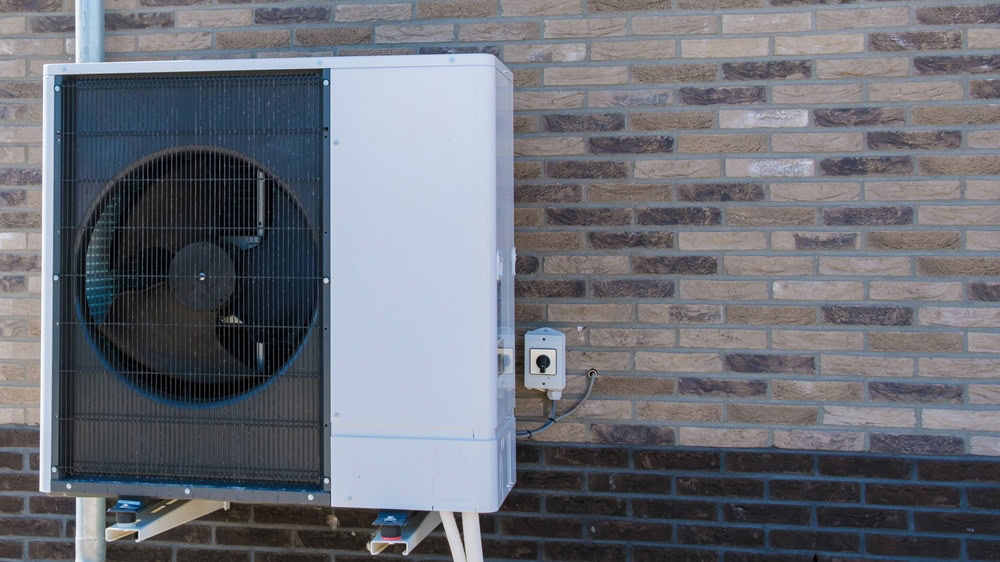
Some HVAC problems aren’t about comfort. They’re about immediate danger, and these situations require fast action, not deliberation.
If you smell gas – that distinctive rotten egg odor – get everyone out of the house immediately. Don’t turn lights on or off, don’t use your phone inside, and don’t try to locate the leak yourself. Once you’re outside and at a safe distance, call your gas company first, then call for emergency HVAC repair. Gas leaks can lead to explosions or carbon monoxide poisoning.
Burning smells or visible smoke coming from your furnace, air handler, or vents mean you need to shut the system down right away. Turn off your HVAC at the thermostat. If the smell persists or you see smoke, shut off power at your circuit breaker. Burning odors can indicate electrical shorts, overheating components, or wiring problems that could start a fire.
Sparks, popping sounds, or repeatedly tripping breakers all point to electrical problems that need immediate professional attention. Don’t keep resetting the breaker hoping it’ll work. That’s a sign something is wrong, and continuing to run the system can make the damage worse or create fire hazards.
Water leaking from your HVAC system might not seem like an emergency, but it can become one fast. If water is pooling near electrical components, shut off power to the system immediately. Active leaks can damage ceilings, walls, and floors. While you’re waiting for help, contain the water with towels or buckets to minimize damage.
Carbon monoxide is another silent danger. If your carbon monoxide detector goes off, treat it as an emergency. Get everyone outside, call 911, and don’t re-enter until emergency responders say it’s safe. Faulty furnaces, blocked vents covered by snow, or cracked heat exchangers can all produce this colorless, odorless gas.
Not every system issue demands an emergency call. Understanding what can safely wait until regular business hours saves you money and helps emergency technicians focus on genuine crises during peak demand periods.
If your system is still running but not performing optimally, that’s usually not an emergency. Uneven temperatures between rooms, reduced airflow, or a system that’s working but not cooling or heating as efficiently as it used to – these are problems worth addressing, but they can typically wait for a scheduled appointment.
Routine maintenance never qualifies as an emergency. If you realize you haven’t had your annual tune-up, schedule it, but don’t call it in as urgent service. The same goes for filter changes, thermostat battery replacements, or HVAC upgrades you’ve been considering.
When your air conditioning stops working matters almost as much as the failure itself. An AC breakdown in May or September when outdoor temperatures are in the 60s or 70s is uncomfortable but not urgent. You can schedule regular service and stay comfortable with fans and open windows in the meantime.
The calculation changes during heat waves. When outdoor temperatures climb into the 90s and humidity makes it feel even hotter, indoor temperatures can become dangerous fast. Young children, elderly adults, and people with certain medical conditions are at risk for heat exhaustion and heat stroke when indoor temps climb above 85-90 degrees.
If your AC fails during extreme heat and you have vulnerable family members at home, that moves into emergency territory. Before calling, check your thermostat settings and make sure it’s set to cool with the temperature set lower than the current room temperature. Check your circuit breaker. Look at your outdoor unit to make sure it’s not blocked by debris or vegetation.
If the system still won’t cool and indoor temperatures are climbing dangerously high, call for urgent AC repair. While waiting, close blinds and curtains to block sunlight. Use fans to circulate air. Stay hydrated. Move to the coolest part of your home, typically the basement if you have one. Avoid using heat-generating appliances like ovens or dryers.
For moderate AC failures when weather isn’t extreme, you can often schedule next-day service rather than paying emergency rates. Keep your home as cool as possible overnight by opening windows once outdoor temperatures drop, then closing everything up in the morning before it heats up again.
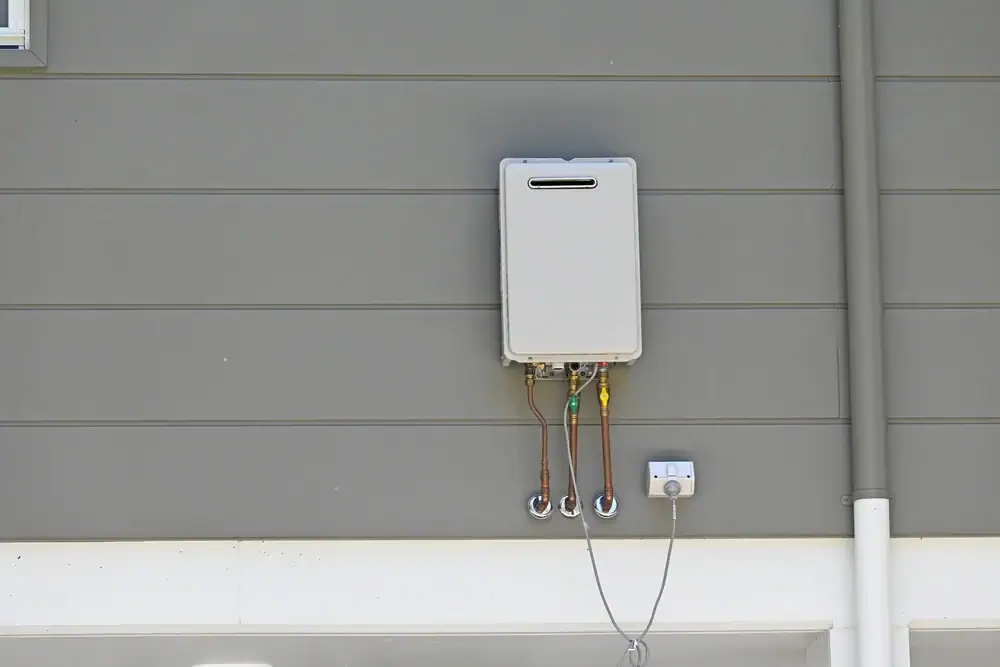
Before you pick up the phone for 24/7 HVAC service, spend five minutes checking the basics. These simple steps solve problems more often than you’d think, and they cost nothing to try.
Start with your thermostat. Make sure it’s set to the right mode – heat or cool – and that the temperature setting makes sense for what you’re trying to achieve. Check that it has power. If it’s battery-operated, try replacing the batteries. Thermostats sometimes lose their settings after a power outage.
Look at your circuit breaker panel. Find the breaker labeled for your HVAC system and check if it’s tripped. A tripped breaker sits in the middle position, not fully on or fully off. If it’s tripped, flip it all the way off first, then back on. If it trips again immediately, don’t keep resetting it – that indicates a problem that needs professional diagnosis.
Check your air filter. A completely clogged filter can restrict airflow enough to cause your system to shut down or perform poorly. If you can’t remember the last time you changed it, that might be your problem. Filters should be changed every 1-3 months depending on your household.
For furnaces, locate the power switch – it often looks like a regular light switch near the unit. Make sure it’s in the on position. It’s surprisingly common for these to get bumped off accidentally, especially if your furnace is in a basement or utility area.
If you have an outdoor AC unit, go outside and look at it. Make sure nothing is blocking it – no leaves, debris, snow, or vegetation growing too close. The unit needs clearance to pull in air and exhaust heat properly. During Massachusetts winters, check that vents aren’t blocked by snow or ice, which can cause carbon monoxide to back up into your home.
Once you’ve called for emergency service, clear the area around your HVAC equipment. Technicians need at least 2-3 feet of workspace around indoor and outdoor units. Move stored items, secure pets in another room, and make sure the path to your equipment is accessible. If it’s winter, clear snow from outdoor units and the path leading to them.
Knowing what qualifies as an HVAC emergency gives you confidence to make the right call. True emergencies involve safety risks, dangerous temperatures for vulnerable family members, or threats to your property like frozen pipes. Those situations need immediate professional help.
For everything else, scheduled service during regular hours usually works fine and costs less. The key is understanding the difference and knowing the simple troubleshooting steps that sometimes solve problems without any service call at all.
When you do face a real emergency across Plymouth County, Bristol County, or Norfolk County, we provide 24/7 emergency HVAC services with technicians who understand Massachusetts weather and the specific challenges it creates for your home. With over 30 years of experience and fully stocked service trucks, we complete most emergency repairs on the first visit. And for homeowners who want priority response during emergencies, our Dempsey Comfort Club offers priority scheduling alongside preventive maintenance that helps avoid breakdowns in the first place.
Continue learning: