
Oil to Gas Conversion in West Wareham

Stop Worrying About Empty Oil Tanks

Convert to natural gas and never stress about fuel deliveries again while cutting your heating bills by up to 60%.
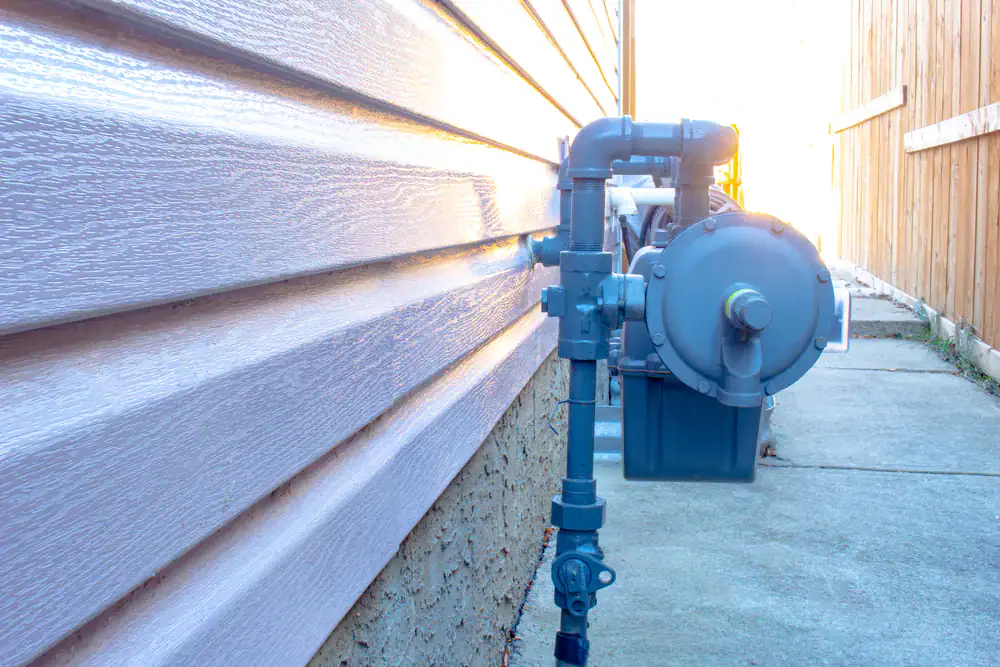
A natural gas meter and pipes are installed alongside the exterior wall of a house, next to a concrete pathway and wooden fence, in bright daylight—serviced by a trusted HVAC Contractor North Attleboro for reliable performance.

We Leave Our Customers Smiling

No reviews to display yet.

Ready for 5-Star Level Service?
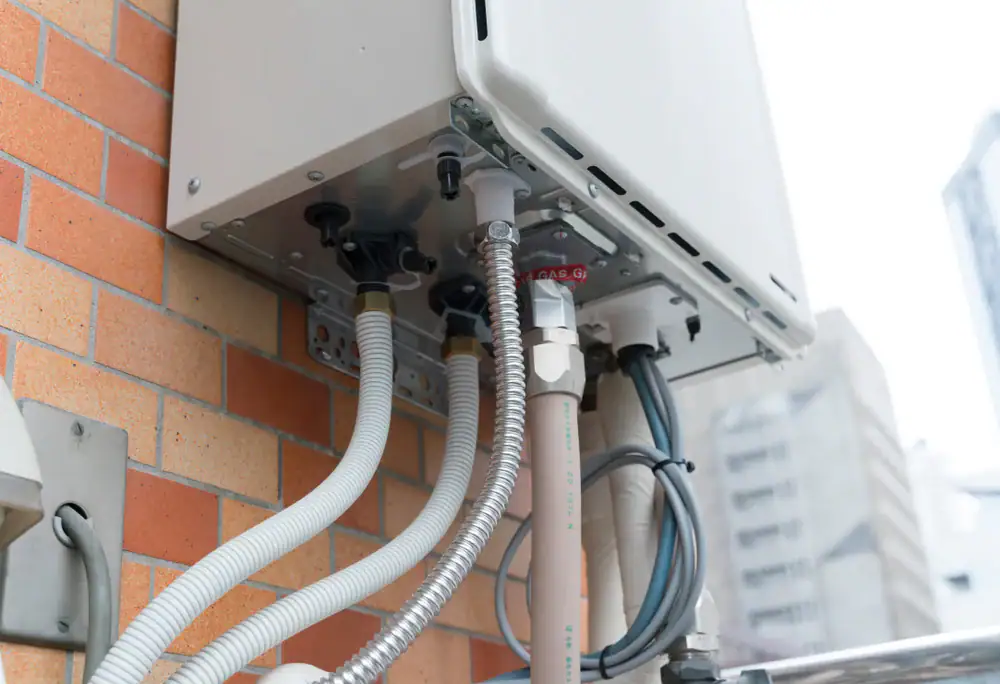
Close-up of pipes and cables connected to a white outdoor utility box mounted on a brick wall, with tall buildings in the blurred background—ideal setup for AC Installation North Attleboro, MA.

Convert Oil Furnace to Gas West Wareham

What Life Looks Like After Converting

Your heating bills drop by hundreds of dollars each year. You stop checking tank levels and scheduling deliveries. Your home stays consistently warm without the anxiety of running out of fuel on the coldest nights.

The reliability hits you first – gas flows continuously through underground pipes, so you never face that sinking feeling of an empty tank during a storm. Your monthly energy costs become predictable instead of spiking with oil price volatility.

Your heating system runs more efficiently too. Modern gas equipment operates at over 90% efficiency compared to older oil systems that waste 30-45% of your fuel dollars through inefficient burning.

Oil to Natural Gas Conversion West Wareham

Why West Wareham Trusts Dempsey Energy

We’ve been helping Massachusetts families transition from oil to gas since 1992. What started as a family oil company has evolved into full-service home comfort solutions as we’ve watched the energy landscape change.

Our team understands West Wareham’s unique coastal climate challenges. The proximity to the ocean means your heating system works harder, making efficiency crucial for controlling costs.

We handle every aspect of your conversion – from permits and inspections to coordinating with National Grid for your gas connection. No surprises, no runarounds, just straightforward service that gets your home converted properly the first time.
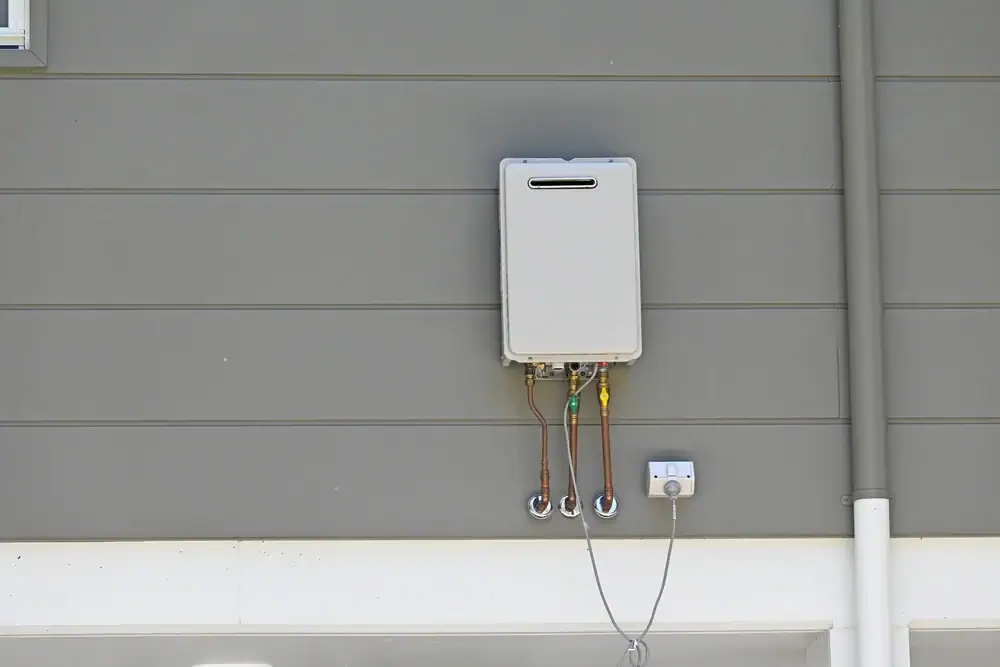
A tankless water heater is mounted on the exterior gray wall of a building, with several pipes and wiring connected beneath it—professionally installed by an HVAC Contractor North Attleboro.

Switch from Oil to Gas Heat West Wareham

The Conversion Process Made Simple

First, we assess your current oil system and home layout to determine the best approach for your gas conversion. We check for existing gas lines in your area and plan the most efficient installation route.

Next, we handle all permits and coordinate with local authorities for required inspections. We work with National Grid to establish your gas service connection while we prepare your home for the new equipment.

We then safely remove your old oil equipment and install your new high-efficiency gas furnace or boiler. Our team tests everything thoroughly and walks you through your new system’s operation. You’ll have reliable heat without the oil delivery headaches.
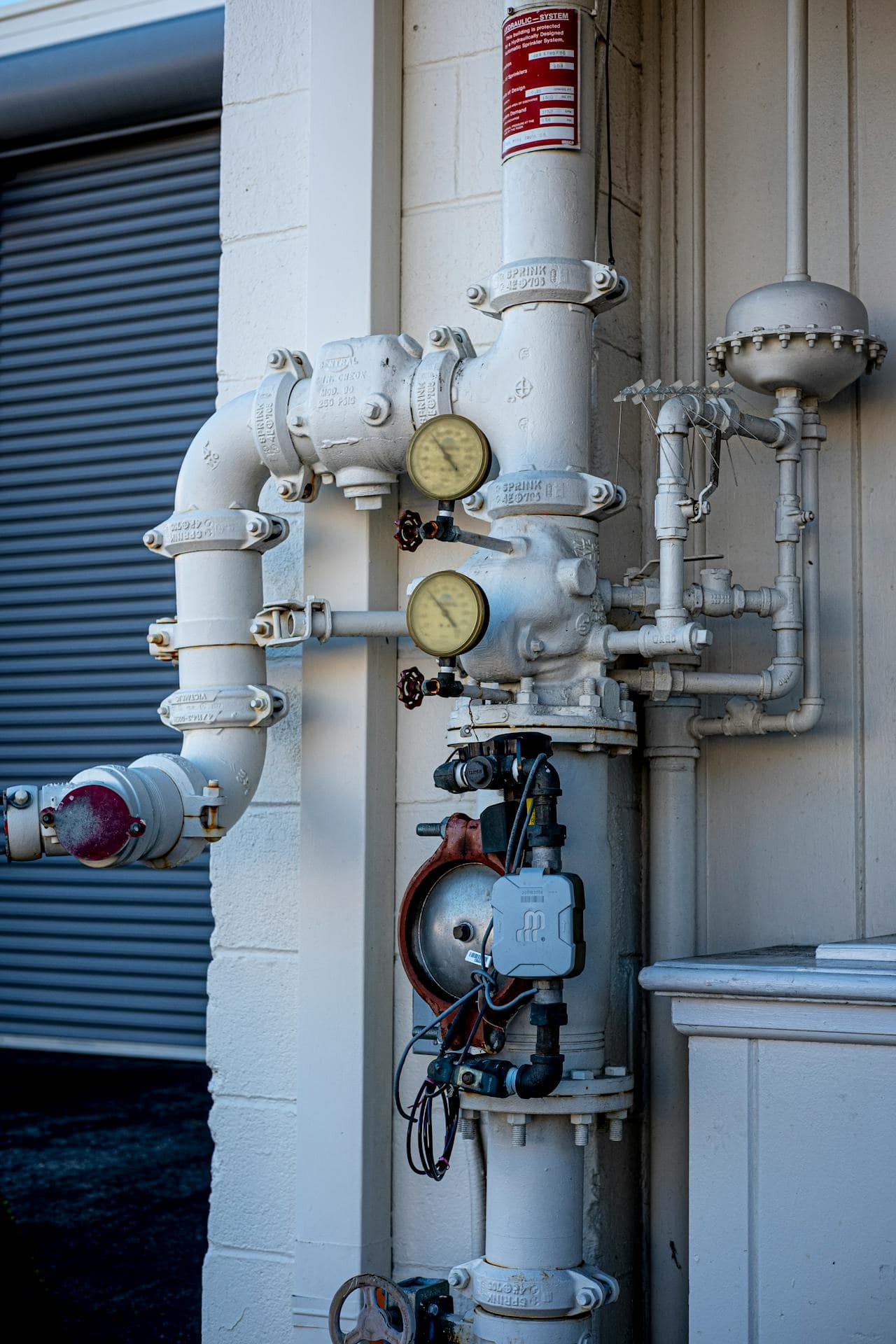
White industrial pipes with gauges, valves, and electrical components are mounted on an exterior wall next to a closed metal garage door. A red fire protection sign is attached to the top of the main vertical pipe by an HVAC Contractor North Attleboro.

Ready to get started?

Explore More Services

About Dempsey Energy

Get a Free Consultation

Oil Furnace to Gas West Wareham

What's Included in Your Conversion

Your conversion includes complete removal of old oil equipment, professional installation of new gas heating equipment, and all necessary gas line connections. We coordinate gas meter installation and handle required permits and inspections.

West Wareham homeowners particularly benefit from this upgrade due to the area’s coastal weather patterns. The consistent moisture and temperature fluctuations put extra strain on heating systems, making the reliability and efficiency of natural gas especially valuable.

We also provide system balancing to ensure even heat distribution throughout your home and comprehensive testing to verify optimal performance. You’ll receive operating instructions and maintenance recommendations to keep your new system running efficiently for years to come.
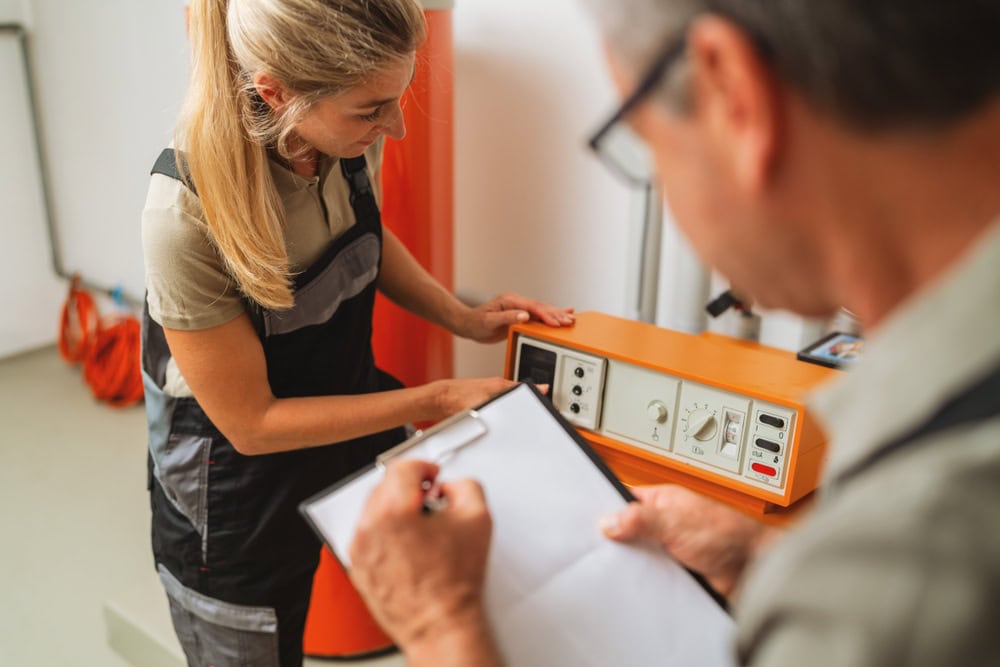
A woman in work overalls adjusts controls on an orange industrial machine while a man in the foreground, possibly an HVAC Contractor North Attleboro, writes on a clipboard.

How much can I save switching from oil to gas in West Wareham?

Most West Wareham homeowners save 40-60% on their annual heating costs after converting from oil to gas. With natural gas typically costing significantly less per BTU than heating oil, the average household saves over $1,000 per year. The exact savings depend on your home size, current oil system efficiency, and heating habits. Older oil systems operating at 55-70% efficiency waste substantial fuel, while new gas equipment operates at 90%+ efficiency. Your payback period is typically 3-5 years, meaning the conversion pays for itself through energy savings. After that, you’re saving money every month while enjoying more reliable heat.
Most residential conversions in West Wareham take 1-2 days for the actual installation work. However, the complete process including permits, gas service connection, and inspections typically takes 2-4 weeks from start to finish. The timeline depends on National Grid’s schedule for running gas service to your home if you don’t already have it. We coordinate all aspects to minimize delays and keep you informed throughout the process. We work efficiently to ensure you’re not without heat during the transition. If needed, we can provide temporary heating solutions while your conversion is completed.
Yes, natural gas conversion requires gas service availability in your area. Most established neighborhoods in West Wareham have natural gas infrastructure, but we always verify service availability before proceeding. If gas lines run along your street but not to your home, National Grid will typically run service to your property as part of the conversion process. This is usually included in your gas service connection fee. We handle all coordination with National Grid to determine availability and arrange new service connections. Our team knows the local infrastructure and can quickly tell you if conversion is feasible for your property.
Your old oil tank must be properly removed and disposed of according to Massachusetts environmental regulations. We coordinate with licensed tank removal specialists to handle this safely and legally. Underground tanks require special removal procedures and soil testing. Above-ground tanks are simpler to remove but still need proper disposal of any remaining oil and tank cleaning. We handle all the coordination so you don’t have to manage multiple contractors. The tank removal is typically scheduled right after your new gas system is installed and operational, ensuring continuous heat throughout the process.
Massachusetts discontinued Mass Save rebates for natural gas equipment in 2024, shifting focus to electric heat pumps. However, federal tax credits may still be available for high-efficiency gas equipment installations. Some utility companies offer conversion incentives or connection fee waivers. We stay current on all available programs and help you identify any applicable savings opportunities. While rebates are limited, the long-term energy savings from conversion typically provide better financial benefits than the old rebate programs ever offered. Your monthly savings start immediately and continue for decades.
Natural gas has several safety advantages over heating oil, particularly regarding storage and environmental risks. Gas burns cleaner with no storage tank that could leak or require monitoring for water contamination. Modern gas systems include multiple safety features like automatic shutoff valves and leak detection systems. Gas is lighter than air, so any leaks dissipate quickly rather than pooling like oil spills. We install all required safety devices and provide operating instructions to help you understand your system’s safety features and proper operation procedures.