Oil to Gas Conversion in Weweantic, MA

Cut Your Heating Bills by $1,000 This Year

Convert from oil to gas and stop overpaying for heat in your Weweantic home while enjoying cleaner, more reliable comfort every single day.
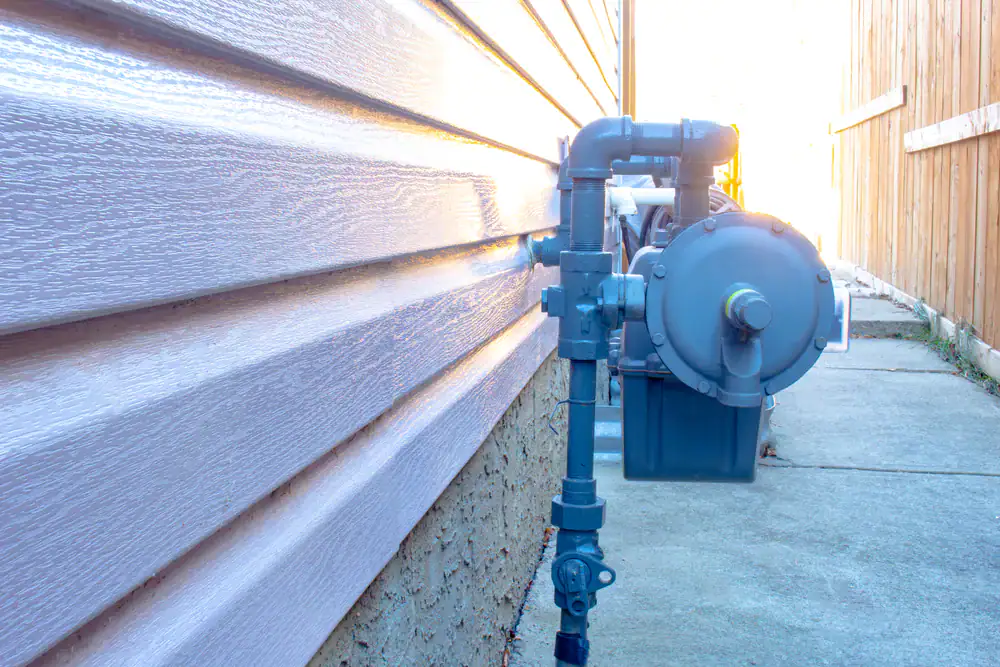
A natural gas meter and pipes are installed alongside the exterior wall of a house, next to a concrete pathway and wooden fence, in bright daylight—serviced by a trusted HVAC Contractor North Attleboro for reliable performance.

We Leave Our Customers Smiling

[webpulse_gbp_review_slider style="trustindex"]

Ready for 5-Star Level Service?

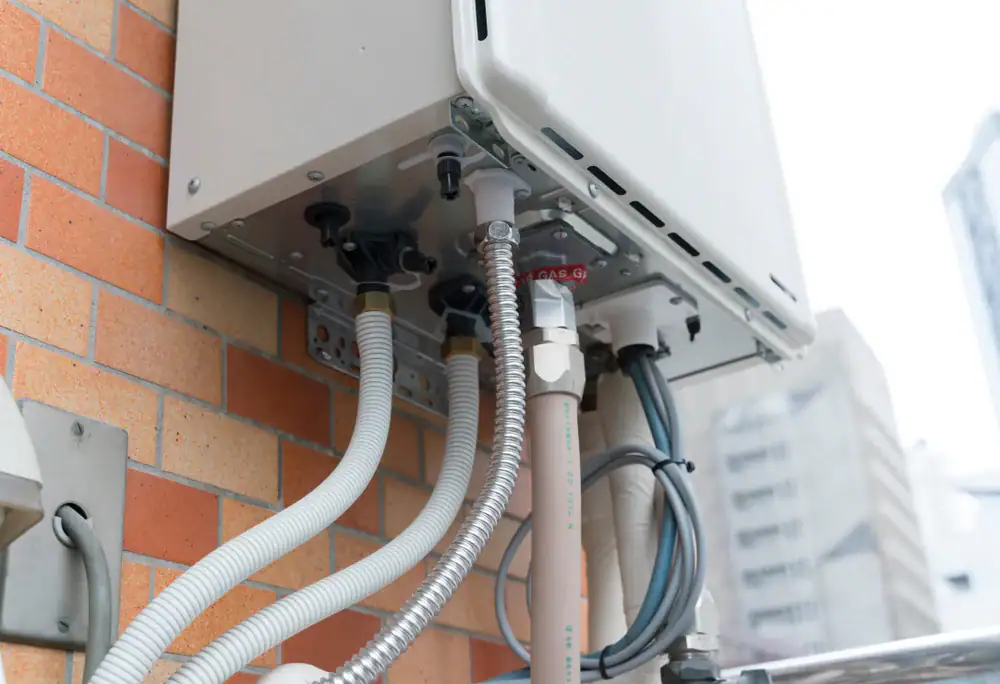
Close-up of pipes and cables connected to a white outdoor utility box mounted on a brick wall, with tall buildings in the blurred background—ideal setup for AC Installation North Attleborough, MA.

Convert Oil Furnace to Gas Weweantic

Your Heating Bills Just Got Manageable

Imagine opening your heating bill and seeing numbers that actually make sense. No more $300+ monthly payments during the coldest weeks. No more panic when oil prices spike right before a blizzard.

Your basement becomes usable space again once that massive oil tank disappears. You get consistent heat that responds immediately when you adjust the thermostat, not the sluggish warm-up you’re used to with oil.

Most Weweantic homeowners save between $800 and $1,000 every year after switching to natural gas. The system runs cleaner, breaks down less often, and heats your home more evenly than your old oil system ever could.

Oil to Natural Gas Conversion Weweantic

We've Been Doing This Since 1992

We started Dempsey Energy as a family oil company in 1992, so we understand exactly what you’re going through with oil heat. We’ve helped thousands of Massachusetts homeowners make the switch to natural gas over the past three decades.

We know every challenge that comes with converting oil systems in older New England homes. Our technicians have worked in basements just like yours, dealt with the same utility companies you’ll work with, and solved the same heating problems you’re facing.

When we show up, we’re prepared. Fully stocked trucks, proper permits already pulled, and the experience to handle whatever surprises your home might throw at us. You won’t be waiting for parts or dealing with multiple trips to get the job done right.
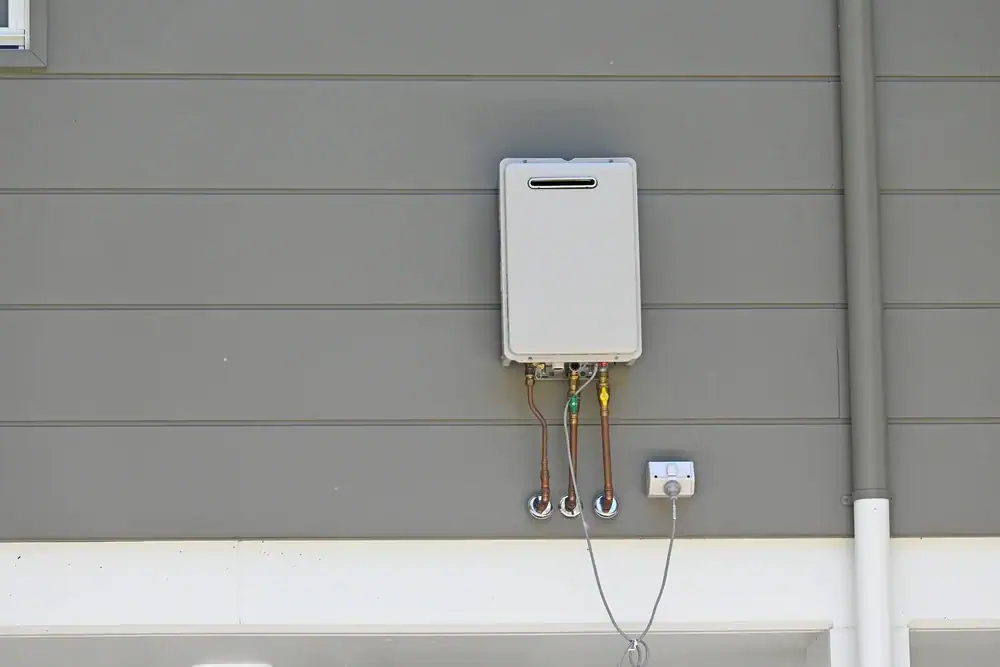
A tankless water heater is mounted on the exterior gray wall of a building, with several pipes and wiring connected beneath it—professionally installed by an HVAC Contractor North Attleboro.

Switch from Oil to Gas Heat Weweantic

Here's Exactly What Happens

We start with a thorough assessment of your current system and home. No generic estimates—we need to see what we’re working with to give you accurate pricing and timeline.

Next comes coordination with your gas utility. If you don’t have gas service yet, we handle all the paperwork and scheduling to get that line run to your house. Most Weweantic neighborhoods already have gas available, so this step usually moves quickly.

Installation day means removing your old oil equipment and installing your new gas system. Modern gas furnaces and boilers are more compact than oil systems, so you’ll likely gain basement space. We handle all electrical connections, venting, and testing.

Finally, we coordinate the removal of your old oil tank according to Massachusetts regulations. You’re never without heat during the process, and we don’t consider the job complete until your new system is running perfectly.
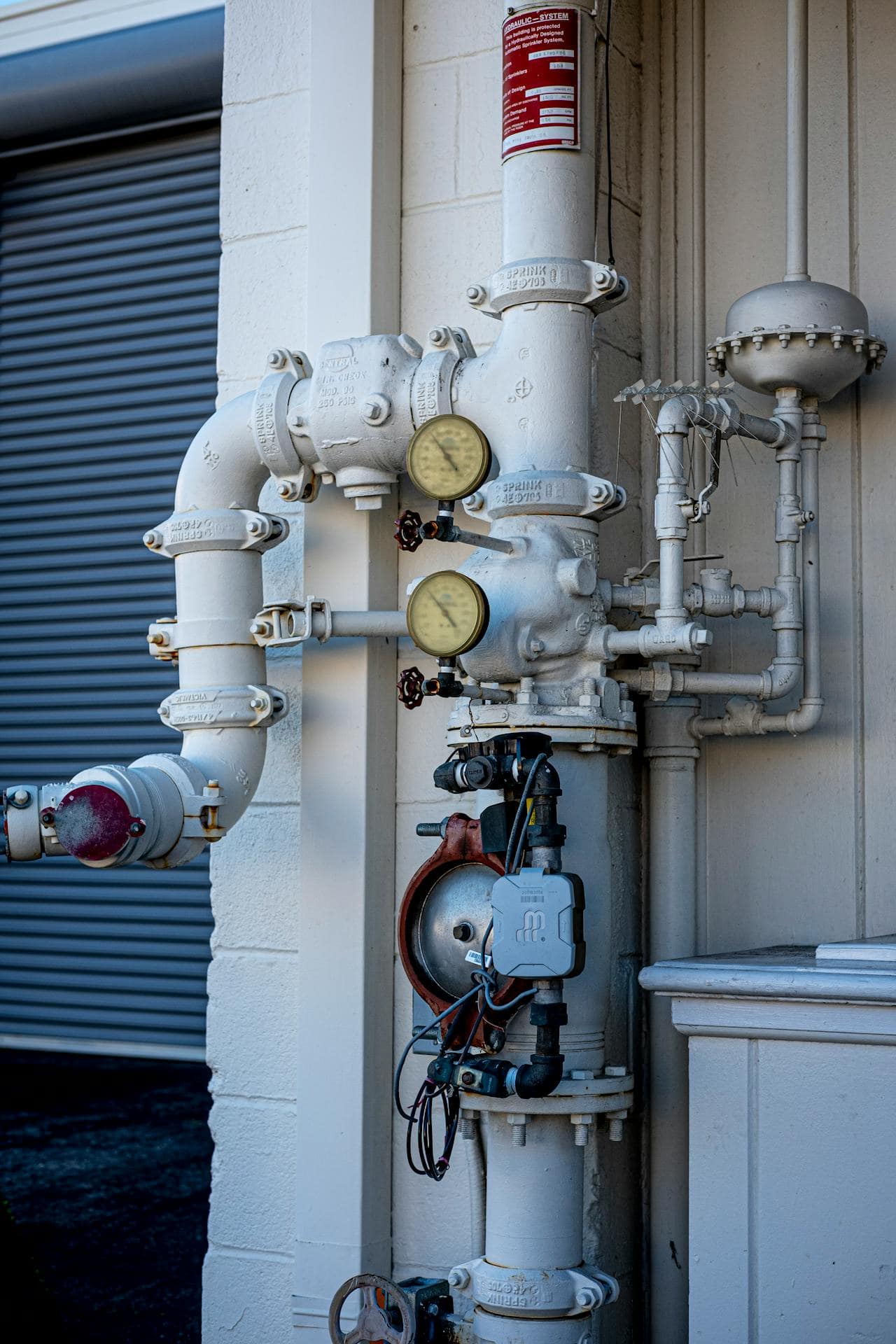
White industrial pipes with gauges, valves, and electrical components are mounted on an exterior wall next to a closed metal garage door. A red fire protection sign is attached to the top of the main vertical pipe by an HVAC Contractor North Attleboro.

Ready to get started?

Explore More Services

About Dempsey Energy

Get a Free Consultation

Converting to Gas Heat from Oil Weweantic

Everything's Included in Your Conversion

Your oil to gas conversion includes complete removal of old equipment, professional installation of your new high-efficiency gas system, all permits, inspections, and coordination with utility companies. No hidden fees or surprise charges.

Weweantic has seen significant expansion of natural gas infrastructure over the past decade. Most homes now have access to gas lines, making conversions more affordable than ever. We work directly with National Grid and local utilities to ensure smooth service connections.

Every installation includes proper venting for your new system, electrical connections, thorough safety testing, and complete cleanup. We don’t leave until your system is running efficiently and you understand how to operate it.

You get manufacturer warranties on all equipment plus our guarantee on installation work. We also offer maintenance plans specifically designed for converted systems to keep your investment running at peak performance for years to come.
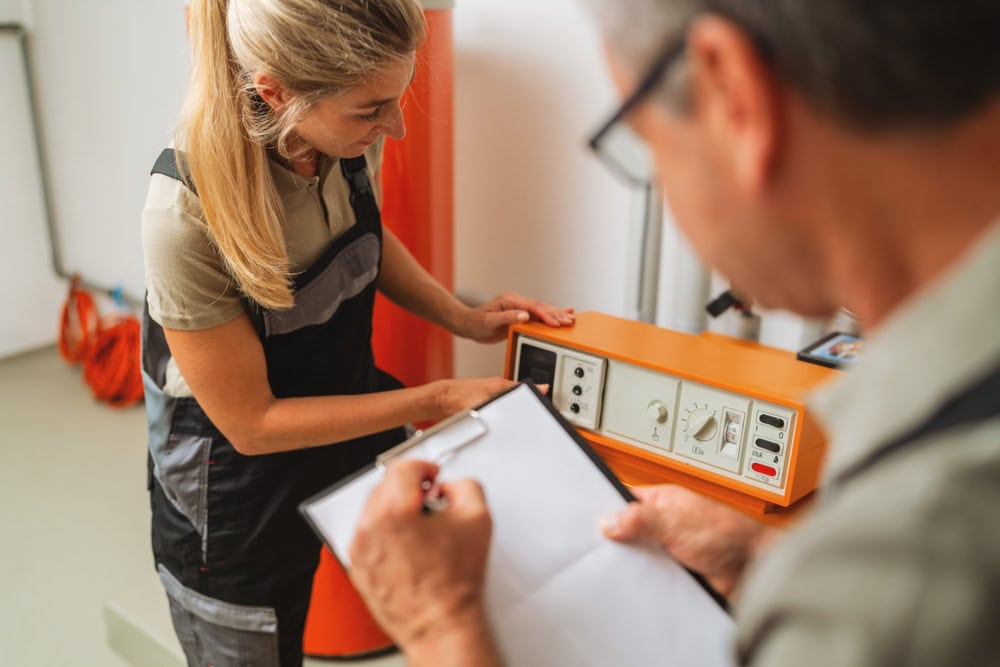
A woman in work overalls adjusts controls on an orange industrial machine while a man in the foreground, possibly an HVAC Contractor North Attleboro, writes on a clipboard.

How much will I actually save converting from oil to gas in Weweantic?

Most Weweantic homeowners save $800 to $1,000 per year after converting from oil to natural gas. Your exact savings depend on your home size and heating habits, but natural gas costs about 18% less than oil per unit of heat produced. The efficiency difference is even more significant. Natural gas systems operate at 90% efficiency or higher, while most oil systems run between 50-80% efficiency. This means you get more heat for every dollar you spend, and those efficiency gains add up to real money in your pocket every month. The payback period for most conversions is 3-5 years, after which you’re saving money every single heating season for the life of your system.
If your street already has natural gas lines, connecting service to your home typically takes 1-2 days. The utility company runs a service line from the street to your house and installs a meter. This work is often included in conversion packages. Most of Weweantic now has natural gas infrastructure available. We work directly with utility companies to coordinate timing and handle all the paperwork, so you don’t have to navigate the utility bureaucracy yourself. If your area doesn’t have gas service yet, we can tell you when it’s expected and help you get on the list for new service connections.
In most cases, yes. Your existing ductwork, radiators, or baseboard heating can typically be reused with a new gas system. We inspect your current distribution system to make sure it’s compatible and in good working condition. Sometimes we need to make minor adjustments to optimize airflow or heating distribution, but complete ductwork replacement is rarely necessary. This keeps your conversion costs reasonable while ensuring your new gas system heats your home evenly and efficiently. Modern gas systems often provide better heat distribution than older oil systems, so you might actually notice improved comfort in rooms that were always too hot or too cold.
Most conversions take 2-3 days once permits are approved and gas service is available. Day one involves removing old equipment and preparing for new installation. Day two covers installing your new gas system and connecting all components. The timeline can extend if we need to wait for gas line installation or if your home requires electrical upgrades. We provide a clear timeline upfront and coordinate all aspects of the project so you know exactly when you’ll have heat again. We never leave you without heat during the conversion. If unexpected delays occur, we have temporary heating solutions to keep you comfortable.
We coordinate professional removal and disposal of your old oil tank according to Massachusetts environmental regulations. Underground tanks require special handling and soil testing, while above-ground tanks are typically simpler to remove. Tank removal is included in most conversion packages, and we handle all permits and paperwork. Proper tank removal protects your home’s value and eliminates potential environmental liability down the road. We work with licensed tank removal specialists who understand Massachusetts regulations and ensure the job is done correctly the first time.
Natural gas is generally considered safer than oil because it doesn’t require large storage tanks on your property. Gas is delivered through underground pipes with built-in safety features like automatic shutoffs and leak detection systems. Modern gas systems include multiple safety mechanisms, and natural gas dissipates quickly if there’s ever a leak, unlike oil which can pool and create environmental concerns. Gas systems also produce fewer combustion byproducts, resulting in cleaner indoor air quality. All gas installations must pass rigorous safety inspections before the system can be activated, giving you additional peace of mind about your family’s safety.