Your complete guide to preparing your HVAC system for Massachusetts summer heat, with expert tips from local professionals.
Share:
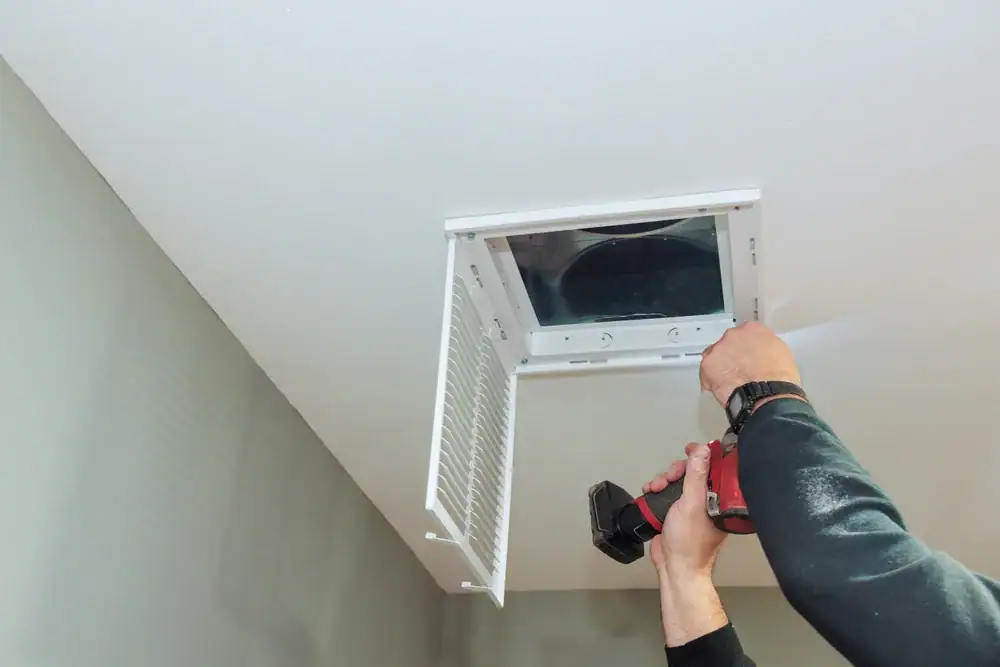
Your HVAC system has been working hard through another New England winter. Before you ask it to handle summer cooling demands, a few critical maintenance tasks will ensure peak performance.
Start with your air filter. A clean filter is your system’s best friend and your wallet’s too. Dirty filters force your equipment to work harder, driving up energy costs and reducing system lifespan.
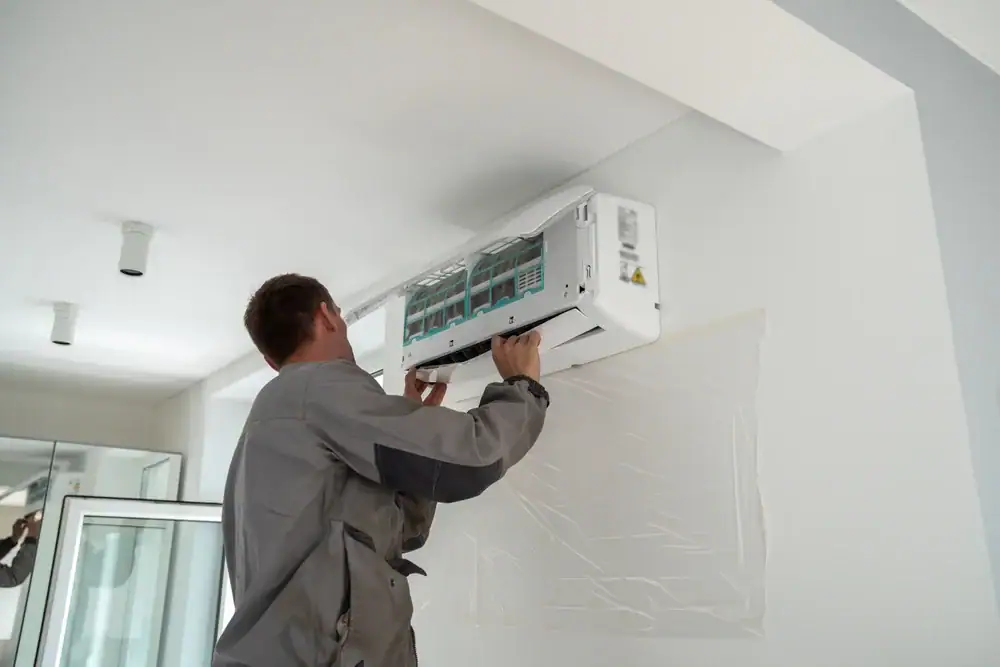
Professional maintenance matters more than most homeowners realize. Annual tune-ups catch small problems before they become expensive emergencies, especially important given how hard Massachusetts weather is on HVAC equipment.
Summer puts extra strain on your HVAC system, making filter maintenance even more critical than during milder months. When North Attleboro temperatures hit the 80s and humidity soars, your air conditioner runs longer cycles to maintain comfortable indoor conditions.
A clogged filter restricts airflow, forcing your system to work harder and consume more energy. This extra strain can lead to frozen coils, compressor damage, or complete system failure during peak demand periods. During summer months, you should check your filter monthly rather than quarterly.
Homes with pets, family members with allergies, or properties near construction areas may need even more frequent changes. The investment in quality filters pays dividends in system efficiency and indoor air quality. High-efficiency pleated filters capture more contaminants but may need replacement more often due to their superior filtration capabilities.
Don’t wait for visible dirt buildup. If you can’t see light through your filter when held up to a bright source, it’s time for replacement. Keep spare filters on hand so you’re never caught without one during the busy cooling season.
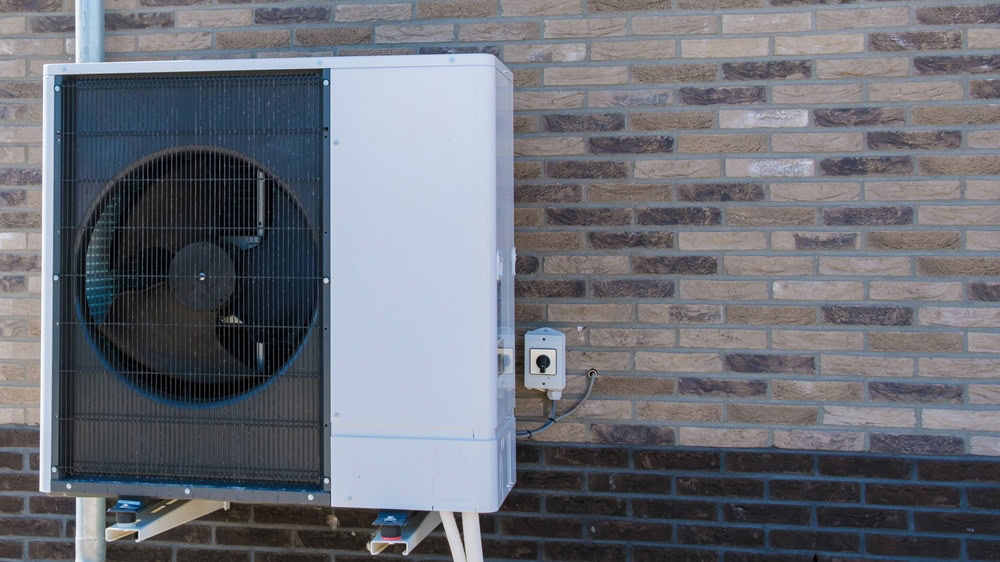
Your outdoor condenser unit does the heavy lifting during summer cooling, but most homeowners ignore it until something goes wrong. Proper preparation can prevent the majority of mid-summer breakdowns.
Clear vegetation and debris from around the unit. Shrubs, grass clippings, and fallen leaves restrict airflow and reduce efficiency. Maintain at least two feet of clearance on all sides. Trim back any vegetation that has grown too close during spring growth spurts.
Clean the condenser coils gently with a garden hose, spraying from inside the unit outward to push debris away from the coils. Avoid pressure washers, which can damage the delicate fins. Bent fins reduce heat transfer efficiency, making your system work harder to achieve the same cooling output.
Check the concrete pad for levelness. Settling or erosion can cause the unit to tilt, leading to refrigerant distribution problems and increased wear on internal components. Small adjustments now prevent major repairs later.
Inspect electrical connections and the disconnect box near the unit. Look for signs of corrosion, loose connections, or damage from winter weather. These issues can cause system failures during peak demand when you need cooling most.
Your thermostat strategy can make or break your summer comfort and energy efficiency. The right settings keep you comfortable without breaking the bank on utility bills.
Set realistic temperature expectations. The U.S. Department of Energy suggests 78°F when you’re home, but comfort varies by household. Find the highest temperature that keeps everyone comfortable rather than battling for the coldest possible setting.
Indoor preparation helps your HVAC system work more efficiently. Simple changes to your daily routine can reduce cooling load significantly.
Forget the old “set it and forget it” mentality. Smart temperature management throughout the day maximizes comfort while controlling costs. During North Attleboro’s hot summer days, strategic thermostat use can cut your cooling costs by 20-30%.
Raise the temperature when you’re away from home. Every degree higher can save 6-8% on cooling costs. Programmable or smart thermostats make this automatic, adjusting based on your schedule without requiring daily attention.
Use ceiling fans to create air movement that makes higher temperatures feel comfortable. Fans don’t actually cool rooms, but they help your body’s natural cooling process, allowing you to raise thermostat settings by 3-4 degrees without sacrificing comfort.
Avoid dramatic temperature swings. Setting your thermostat to 65°F won’t cool your home faster when you arrive on a hot day. It only makes your system work harder and longer, potentially causing it to freeze up or struggle to reach the target temperature.
Consider zone cooling if your home has multiple levels or areas with different sun exposure. Closing vents in unused rooms might seem logical, but it can actually reduce system efficiency by disrupting designed airflow patterns.
Your HVAC system doesn’t work in isolation. How you prepare your home’s envelope and manage heat sources directly impacts cooling efficiency and comfort levels throughout the summer months.
Window treatments make a significant difference. Close blinds and curtains on south and west-facing windows during peak sun hours. This simple step can reduce indoor temperatures by several degrees and decrease the workload on your cooling system.
Seal air leaks around windows, doors, and other openings. Hot outdoor air infiltration forces your system to work continuously to maintain comfortable temperatures. Weather stripping and caulk are inexpensive investments that pay dividends in comfort and energy savings.
Minimize heat-generating activities during the hottest parts of the day. Running the dishwasher, clothes dryer, or oven during afternoon peak hours adds unnecessary heat load to your home. Schedule these activities for early morning or evening when outdoor temperatures are lower.
Check and improve attic insulation if needed. Poor attic insulation allows heat to penetrate your living space, making your cooling system work harder. Adequate insulation acts as a barrier, keeping conditioned air inside and hot air outside where it belongs.
Consider the impact of lighting choices. Incandescent bulbs generate significant heat compared to LED alternatives. Switching to LED lighting reduces both cooling load and electricity consumption throughout the summer months.
While homeowner maintenance handles the basics, professional service ensures your system is truly ready for North Attleboro’s summer demands. We can identify potential problems before they become expensive emergencies.
Our professional tune-ups include system diagnostics, refrigerant level checks, electrical connection inspection, and performance optimization that goes beyond basic homeowner maintenance. This investment typically pays for itself through improved efficiency and prevented breakdowns.
Don’t wait until the first heat wave to discover problems. Schedule service in late spring when we have availability and can address issues without the pressure of emergency conditions. At Dempsey Energy, we provide the expertise and reliability you need to keep your home comfortable all summer long.
Article details:
Share:
Continue learning: