Massachusetts homeowners face unique challenges when selecting HVAC systems. Our guide helps you choose the right heating and cooling solution for your climate and budget.
Share:
Getting the size right is absolutely critical. Too small, and your system will struggle to keep up during those bitter January nights. Too large, and you’ll waste money upfront while dealing with inefficient short-cycling that drives up your energy costs.
The most accurate way to size your system is through a Manual J load calculation performed by a qualified contractor, rather than relying on simple square footage rules. This detailed analysis considers your home’s insulation, window placement, ceiling height, and local climate conditions.
For reference, the average Massachusetts home is about 1,800 square feet and consumes approximately 13,000-15,000 kWh annually for heating. But your specific needs will vary based on factors we’ll explore next.
Several factors beyond square footage determine your heating and cooling needs. Your home’s age and insulation quality play huge roles. Homes with average insulation may require the standard BTU calculations, while poorly insulated homes need 10% more capacity due to heat loss, and well-insulated homes with tight building envelopes need 10% less.
Window placement matters too. More windows require higher heating and cooling capacity, especially south-facing windows that can heat rooms quickly and require more cooling power. Your ceiling height affects the volume of air that needs conditioning, not just the floor space.
Massachusetts weather puts extra stress on HVAC systems with our cold winters and humid summers, making regular maintenance crucial for preventing breakdowns and maintaining efficiency. This is why working with a contractor who understands our local climate conditions is so important.
The ductwork in your home also impacts sizing. Typical duct systems lose 25 to 40 percent of heating or cooling energy, so ducted systems need to be sized larger to account for these losses. Ductless systems, on the other hand, have much smaller loss percentages of about 2-5%.
BTU (British Thermal Unit) ratings tell you how much heating or cooling capacity your system provides. One BTU is the energy needed to heat one pound of water by 1 degree Fahrenheit, representing your system’s capacity for warming your home.
A basic rule of thumb suggests 30 BTUs per square foot, so a 1,000 square foot house would need a 30,000 BTU system. However, Massachusetts’ colder climate may require more BTUs per square foot compared to warmer regions.
For perspective, an unheated Boston home during winter could reach temperatures as low as -5°F, requiring an 80°F temperature increase to reach a comfortable 75°F indoors. This dramatic temperature swing is why proper sizing matters so much here.
A 2,000 square foot home in a moderate climate typically needs a furnace with 80,000 to 90,000 BTU output. But remember, these are starting points – your contractor should perform detailed calculations based on your specific home and needs.
Massachusetts homeowners have several excellent options, each with distinct advantages for our climate. The key is understanding how each system performs during our temperature extremes and which aligns best with your home’s existing infrastructure.
Heat pumps have gained popularity due to their efficiency and environmental benefits. Traditional furnaces remain reliable workhorses for harsh winters. Boilers offer steady, comfortable heat through radiant systems. Let’s examine each option in detail.
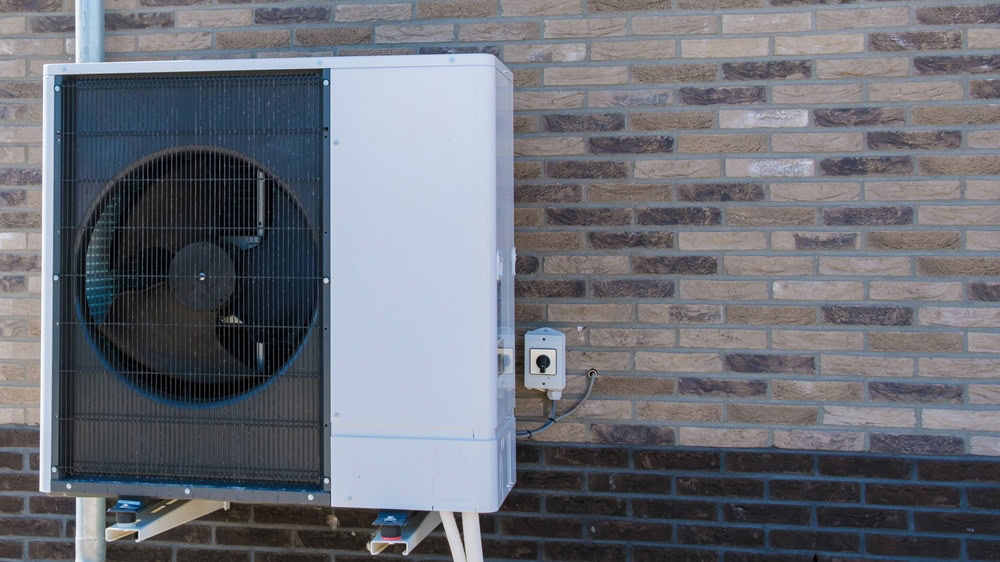
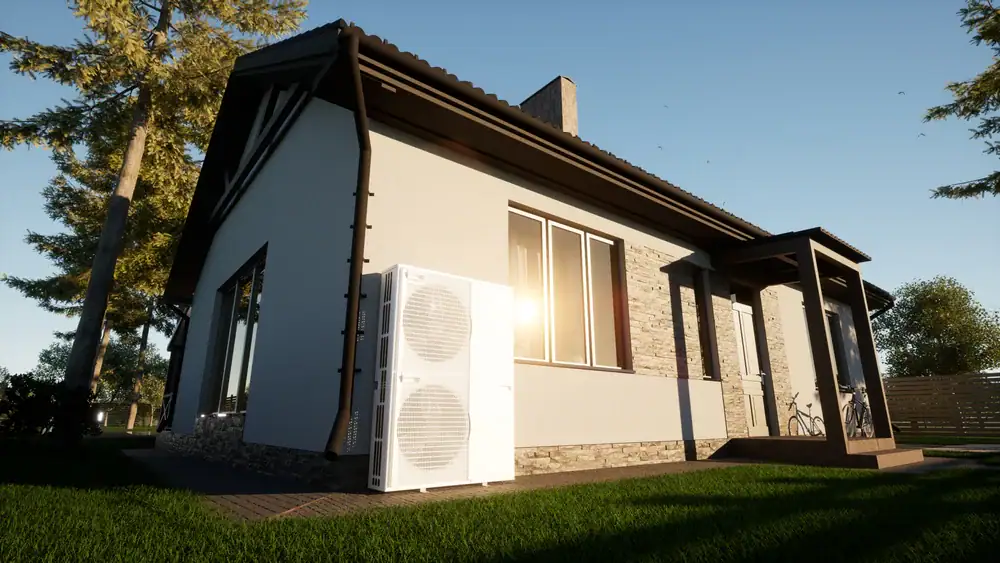
Modern cold climate heat pumps can be up to 400% efficient and many provide effective heating at outdoor temperatures as low as -15°F. This efficiency means they’re 2-3 times as efficient as boilers or furnaces, translating to significant energy savings.
Heat pumps move heat indoors during winter and draw heat outdoors in summer, using electricity to transfer rather than create heat. Both ducted and ductless options are available, making them suitable for homes with or without existing ductwork.
The benefits extend beyond efficiency. Heat pumps require minimal maintenance, eliminate fuel deliveries, and have no carbon monoxide risk since there’s no combustion. They also filter and dehumidify air, improving air quality and reducing allergens for sensitive individuals.
However, heat pumps can struggle in prolonged freezing temperatures, potentially leading to higher electricity costs and reduced efficiency when temperatures drop too low. Massachusetts offers generous Mass Save rebates up to $9,000, plus federal tax credits up to $2,000, and 0% financing through the Mass Save HEAT Loan Program.
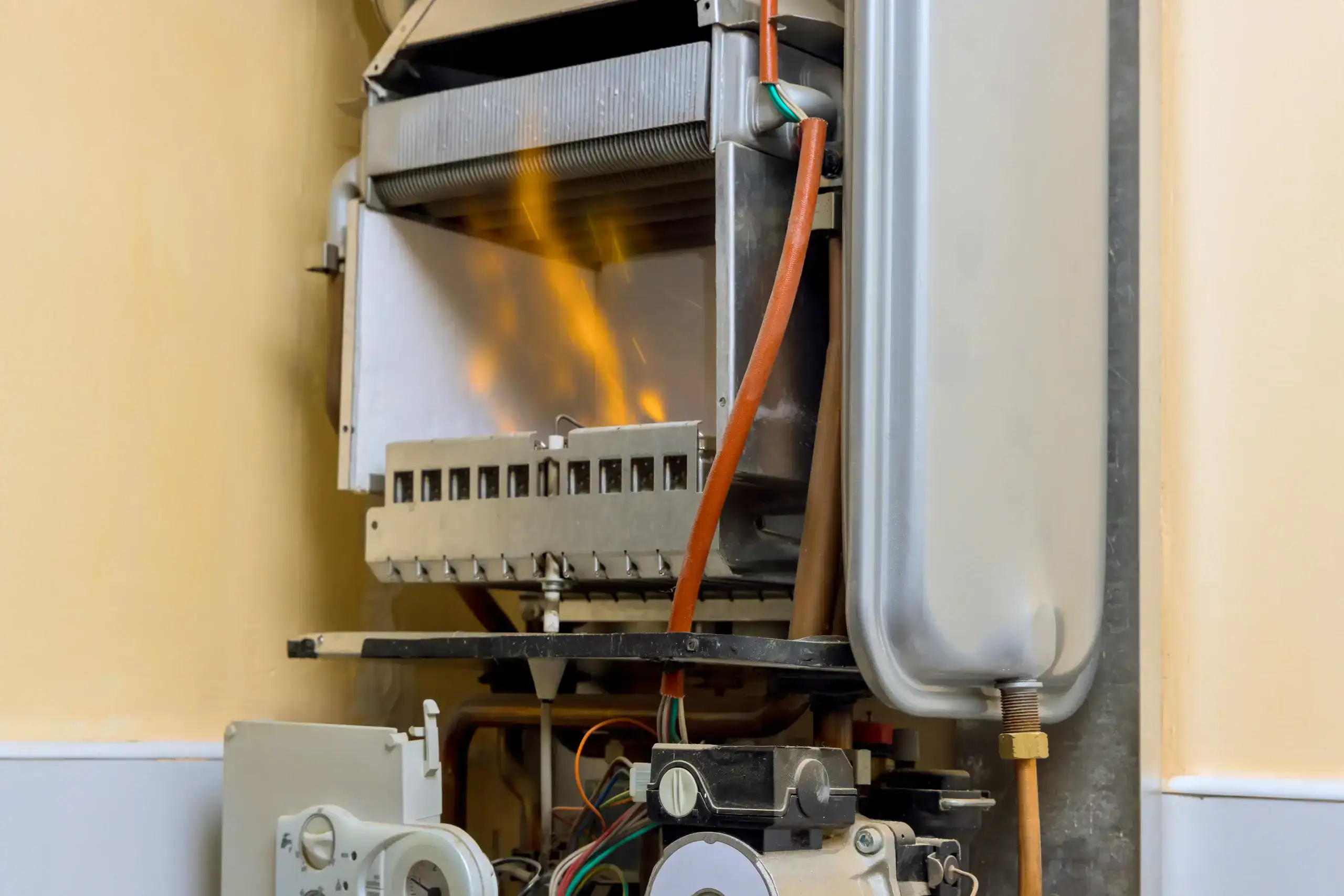
Furnaces remain the classic choice for Massachusetts homes, providing warm, toasty heat even on the coldest days, and can be cost-effective with natural gas access. Today’s furnaces are extremely efficient, with the most efficient models achieving around 90% efficiency compared to older units at only 60-70%.
Furnaces are forced-air systems where cold air is warmed over a heat exchanger and distributed through ductwork throughout your home. They offer reliable comfort, energy efficiency, safety, and dependable performance.
Boilers are hydronic heating systems that heat water or create steam, distributing it through pipes to radiators, baseboards, or underfloor heating systems. Hydronic systems are among the most reliable, require less maintenance than furnaces, and once your home is warm, it tends to stay warm longer with less effort.
Cost-wise, boilers have higher initial installation costs due to piping but offer durability lasting up to 30 years with lower maintenance costs, while furnaces are more affordable to install with 15-20 year lifespans. Many homeowners are choosing dual-fuel or hybrid systems that combine heat pumps with traditional furnaces or boilers, allowing heat pumps to handle mild temperatures while the backup system takes over when temperatures drop below freezing.
The best HVAC system for your Massachusetts home depends on your specific situation, budget, and comfort priorities. Your HVAC technician should perform a detailed load calculation to ensure your new system delivers the performance and comfort you desire, finding the right fit for your home size, budget, and desired energy efficiency.
Consider your home’s existing infrastructure, local rebates and incentives, and long-term operating costs. Heat pumps are often the best choice if your current system is broken or 10+ years old, especially with Mass Save rebates making upgrades more cost-effective than continuing repairs.
Don’t make this important decision alone. Partner with an experienced contractor who understands Massachusetts climate challenges and can guide you through the options. When you’re ready to explore HVAC solutions for your home, we at Dempsey Energy bring over 30 years of local experience to help you make the right choice for lasting comfort and efficiency.
Article details:
Share:
Continue learning: