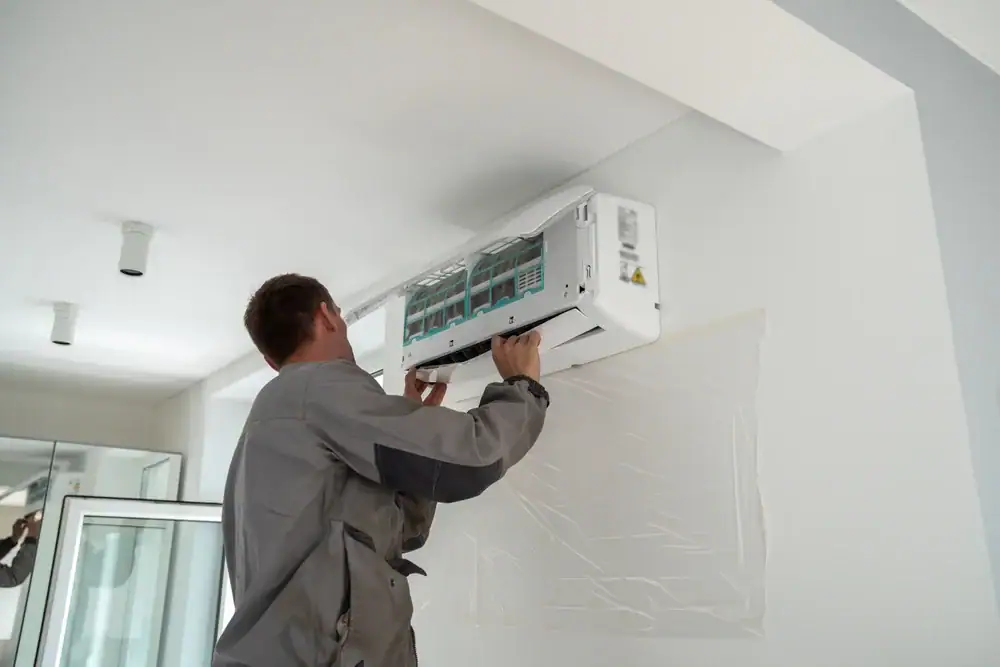
Your AC is sending signals it's time for replacement. Recognize the warning signs before you're stuck without cooling during Plymouth's humid summers.
Share:
Your air conditioner has been working overtime through another humid summer, but something feels off. Maybe your energy bills have jumped without explanation, or you’re calling for repairs more often than you’d like.
When your AC starts falling behind, it’s not always obvious whether you need a repair or a full replacement. In Plymouth, where summer heat hits fast, the last thing you want is a breakdown during peak temperatures.
Staying on top of regular AC maintenance can help identify issues early, but there are times when even a well-maintained system is nearing the end of its lifespan.
These are the warning signs that your AC system might be telling you it’s time for a replacement. Understanding when to stop putting money into frequent repairs and invest in a new system can save you thousands in the long run—and keep you comfortable when you need it most.
The average AC unit lasts 10–15 years—and efficiency drops fast after year 10. If yours is pushing its limits, replacing it now can lower your utility bills before another hot season kicks in.
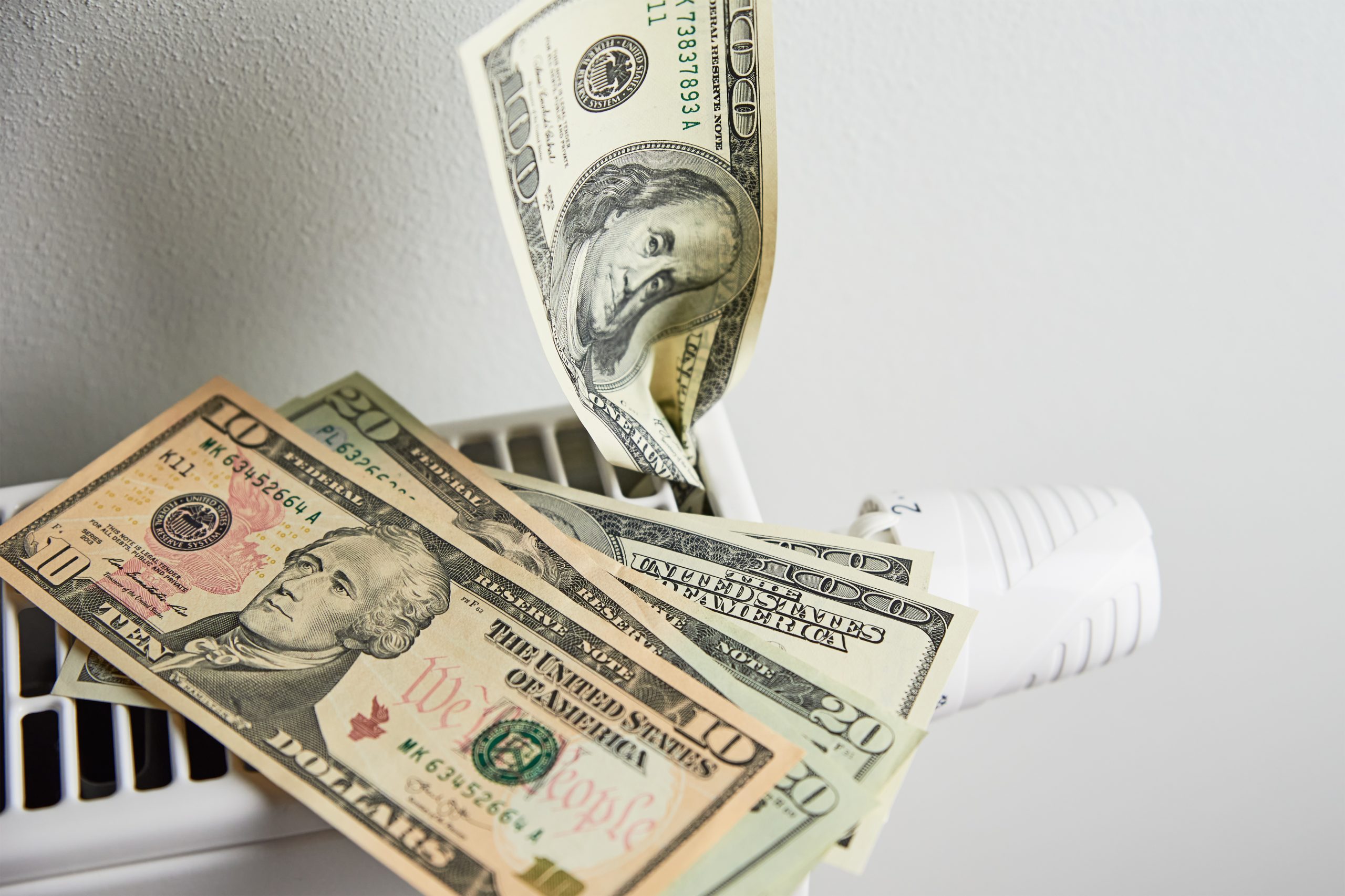
When your electricity bills start creeping up month after month, but your cooling habits haven’t changed, your AC is likely losing productivity. An aging system has to work harder to achieve the same cooling results, burning more energy in the process. The effectiveness gap becomes more pronounced as your system ages. What started as a minor increase in energy consumption can snowball into hundreds of dollars in wasted electricity each summer.
Older air conditioning units also use R22, a refrigerant, which is being phased out over the next few years to meet environmental protection regulations. Replacing this refrigerant in older air conditioning units to one that complies with these regulations is expensive and since R22 is being discontinued, it’s becoming more difficult to source.
If your air conditioner uses R-22 refrigerant (aka Freon), it has two strikes against it. First, it’s at least 15 years old. Since R-22 production and importation were phased out in 2020, it’s harder to get and more expensive. Only recycled R-22 is available to service old equipment. This means every refrigerant-related repair becomes significantly more expensive
Calling for AC service more than once a year? You’re spending money patching up a system that won’t bounce back. New units run quieter, cleaner, and far more smoothly.
One of the biggest warning signs of a failing air conditioner is the need for numerous repairs. If air conditioning repair costs are taking a real bite out of your budget, it may be time to replace the AC unit.
The $5,000 Rule
Some experts recommend using the $5,000 rule to consider if you should replace the unit. Just multiply the age of the cooling device with the repair cost. If the amount is more than $5,000, you should consider replacing the unit. This industry standard helps homeowners make objective decisions about repair versus replacement.
Although we recommend scheduled checkups, if you find yourself calling the technician often, it’s a good sign that it might be time to replace the entire unit. As repair calls become more frequent—along with repair bills—your system is reaching the end of its life. Replacing your air conditioner system is more cost efficient and saves you from facing a potential breakdown.
When Repairs Add Up
The pattern typically starts innocuously. A capacitor replacement here, a refrigerant top-off there. But when you’re calling for service every few months, those “minor” repairs add up quickly. Frequent breakdowns also mean frequent repairs, and the cost of those repairs can add up. At a certain point, it might be more economical to purchase a new unit rather than sinking money into expensive repairs—especially if your warranty has expired.
Generally, if your AC is under 10 years old and the repair costs less than half of a new system, repair makes sense. However, if you’re dealing with frequent breakdowns, dramatically higher energy bills, or if your system can’t keep up with cooling demands, replacement might be more cost-effective. This becomes especially true when major components like compressors fail on older systems.
Plymouth’s humid climate accelerates wear on AC components. The most common issues we see are dirty coils from humidity and pollen, refrigerant leaks from aging components, and electrical problems from power fluctuations during storms. Clogged condensate drains are also frequent because of our humid summers. Many older homes have undersized ductwork or poor insulation that makes AC systems work harder than they should.
Struggling with hot spots or muggy air? That’s often a sign your system can’t keep up—especially in coastal climates.
When one room feels like a sauna while another is comfortable, your AC system is no longer distributing air effectively. This could indicate ductwork issues, a failing compressor, or an undersized system for your home’s current needs.
High indoor humidity is another red flag. Your AC should naturally dehumidify as it cools. If you’re dealing with that sticky, uncomfortable feeling even when the AC is running, the system isn’t functioning properly. Summers can be hot and humid, making a reliable air conditioning system essential. If your AC isn’t cooling effectively, making unusual noises, or causing energy costs to rise, expert cooling services can help. A struggling system doesn’t just cost more to operate—it fails when you need it most.
An old or failing system works harder to maintain temp. If your bills keep climbing but your comfort drops, it’s time for a high-efficiency upgrade.
If your energy bills are sky-high compared to last year with no big difference in temperature and no huge rate hike from the power company, it’s a warning sign you may need to consider AC replacement. According to the U.S. Energy Information Administration, air conditioning accounts for 12-27% of monthly power bills in hot, humid states.
Heating and cooling costs account for roughly 44% of your utility costs, so if you’re paying more than the average for your area, your air conditioning system may not be working effectively. In Plymouth’s climate, a properly functioning AC system should maintain consistent costs during similar weather patterns.
The first step is ruling out simple fixes. Make sure the system has a clean air filter because a dirty filter can cause the system to struggle, resulting in higher energy bills. If you’ve replaced the filter and your bills remain high, the issue likely runs deeper.
But if that’s not the culprit and your AC unit is older, it’s not as effective as it used to be—and that means higher energy bills. Newer air conditioners are more efficient at cooling and dehumidifying your home, which can save you money on your cooling costs. A well-installed, eco-friendly unit may cut your summer cooling bills by up to 20%, which helps offset the initial expense.
The True Cost of Inefficiency
If your energy use habits have stayed the same but your monthly bill has noticeably increased, it might be time for a new air conditioner. Higher energy bills can indicate that your air conditioner is either malfunctioning or losing efficiency. This isn’t just about comfort—it’s about your budget.
Consider a homeowner whose 15-year-old AC system drives their summer electric bills $150 higher than their neighbor’s with a newer unit. Over just three years, that’s $450 in extra costs—money that could have gone toward a more productive replacement. Energy bills often start rising as an air conditioner gets older, so the two issues can be related.
The inefficiency compounds during Plymouth’s humid summers when your AC runs almost continuously. Smart homeowners track their energy usage patterns and compare year-over-year costs. Receiving a high energy bill once or twice isn’t a cause for alarm. However, if your energy bills go up and don’t come down, you might need to start looking for a new AC. When the trend becomes clear, acting quickly can prevent throwing good money after bad.
A new air conditioning unit may wind up eliminating the constant repair costs, and lower your utility bills enough to help you recoup part of your investment. A newer, more eco-friendly air conditioning system will also increase the resale value of your home.
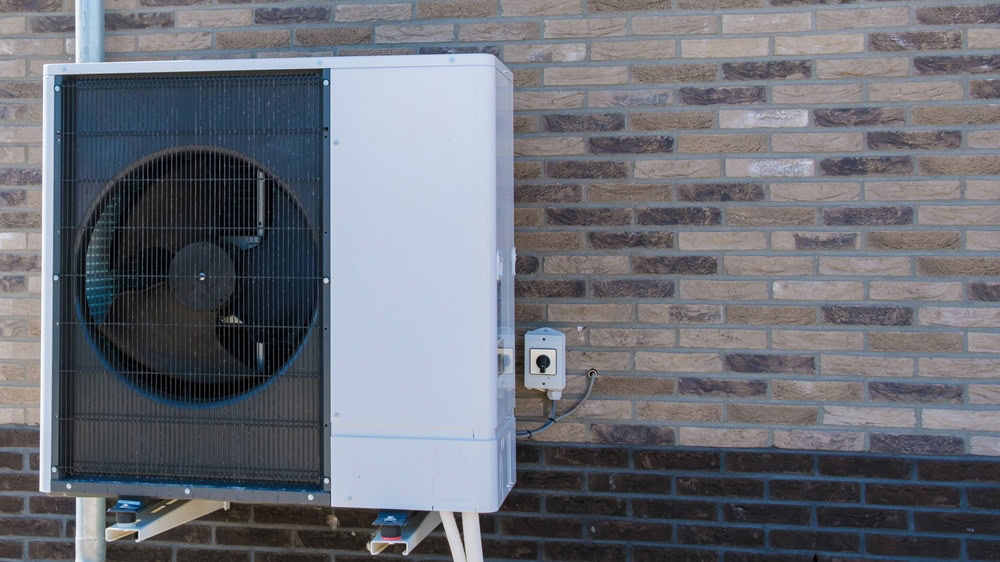
The decision becomes easier when you factor in available incentives. In 2025, Mass Save offers rebates up to $10,000 for heat pump installations, and most customers are still qualifying for the $10,000 whole home heat pump rebate. Combined with federal tax credits, these incentives can significantly reduce your out-of-pocket costs.
Your Next Step
At Dempsey Energy, we help homeowners choose systems that fit your home and budget—and get Mass Save rebates where possible. Schedule a quote today and stay ahead of the heat.
For trusted AC replacement, we combine decades of local experience with transparent pricing and reliable service. We help homeowners navigate the replacement decision and maximize available rebates, guaranteeing you get the right system for your home and budget.
Article details:
Share:
Continue learning: