Master Massachusetts' challenging seasons with a comprehensive HVAC preparation checklist designed for extreme weather transitions and reliable year-round comfort.
Share:
You know that sinking feeling when your heat stops working during a February blizzard or your AC gives out during a July heat wave. In Massachusetts, your HVAC system faces some of the country’s most demanding seasonal transitions—from sub-zero winters to sweltering, humid summers.
The difference between comfort and crisis often comes down to preparation. This checklist will walk you through the essential steps to get both your heating and cooling systems ready for whatever Massachusetts weather throws your way, helping you avoid those 2 AM emergency calls and keep your energy bills reasonable.
As part of that preparation, making sure your temperature controls are functioning properly is critical. Upgrading or properly setting your thermostat can improve comfort, boost efficiency, and help your HVAC system respond more effectively to rapid seasonal changes.
Massachusetts winters don’t mess around. When temperatures regularly drop below freezing from December through February, your heating system becomes your lifeline. The key is getting ahead of the cold before it hits.
Your heating system has been sitting idle all summer, and dust, debris, and small issues have had months to develop into bigger problems. Now’s the time to address them before you’re competing with every other homeowner for emergency repair slots during the first cold snap.
Start your fall preparation in September, well before you actually need heat. This gives you time to address any issues without the pressure of freezing temperatures and the higher costs that come with emergency repairs.
Begin with your air filters—they’re your system’s first line of defense and the easiest thing to check. After a summer of cooling, these filters have accumulated dust, pollen, and debris that can choke your system’s efficiency. Replace or clean them now, and plan to check them monthly throughout the heating season.
Next, inspect your furnace or heat pump for obvious issues. Look for any loose connections, unusual sounds when the system starts up, or signs of wear around moving parts. Check that your thermostat is responding properly and switch it to heating mode to test the system before you actually need it.
Don’t forget about your ductwork and vents. Walk through your home and make sure nothing is blocking your heating vents—holiday decorations, furniture, or even pet toys can restrict airflow and force your system to work harder. Clear any debris from around your outdoor heat pump unit if you have one.
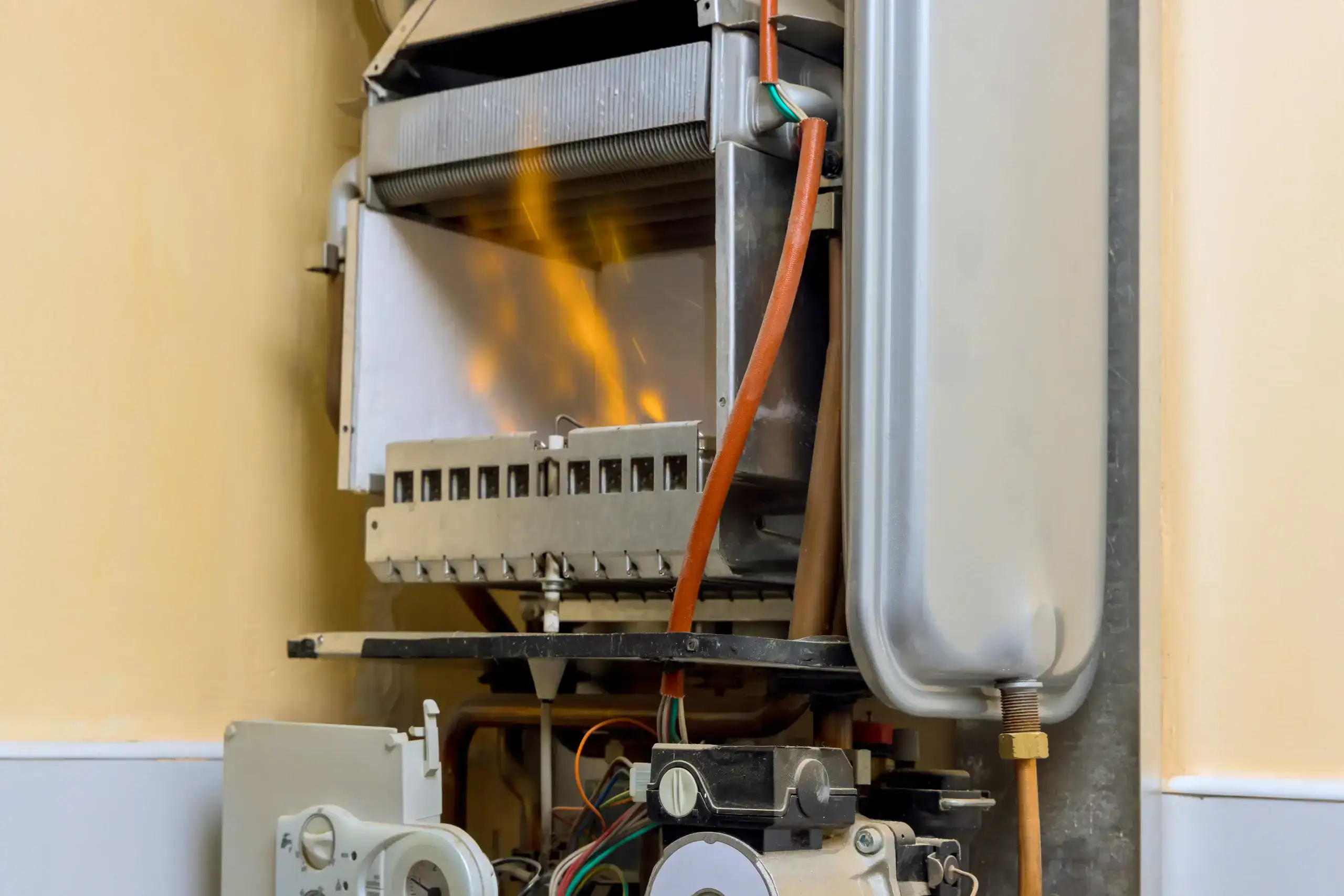
Your pilot light deserves attention too if you have a gas furnace. It should burn blue, not yellow or orange. A yellow flame often indicates incomplete combustion, which can be both inefficient and dangerous. If you notice this or smell gas around your furnace, call a professional immediately.
Finally, test your carbon monoxide detectors. Massachusetts winters mean your heating system will be running for months, and a properly functioning CO detector isn’t optional—it’s essential for your family’s safety.
Massachusetts winter brings specific challenges that can catch unprepared homeowners off guard. Frozen pipes are a real threat when temperatures drop, especially in older homes with less insulation. Check areas where pipes run through unheated spaces like basements, crawl spaces, or exterior walls.
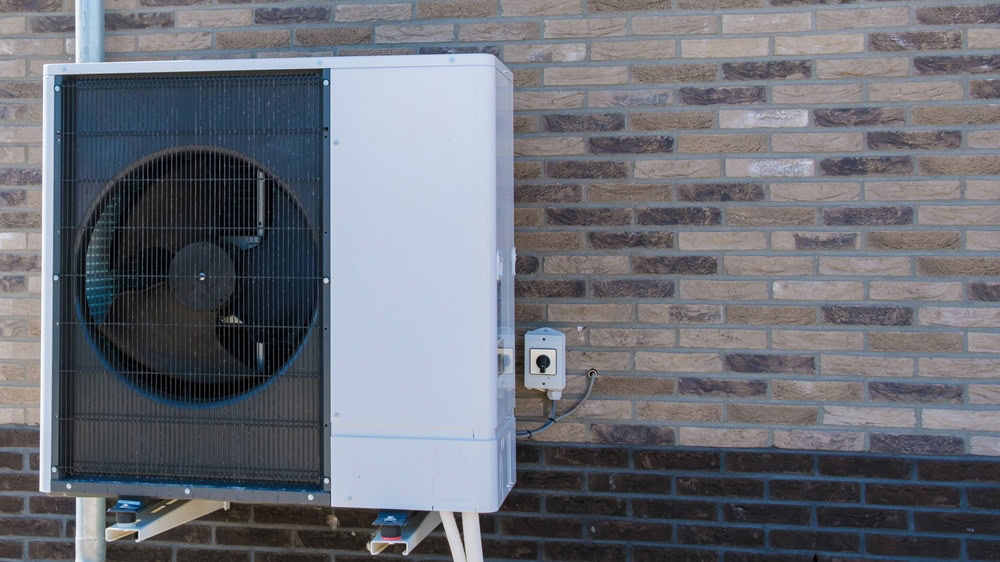
Your heat pump faces particular challenges in Massachusetts winters. While modern heat pumps can work efficiently even in sub-zero temperatures, they need clear airflow to function properly. Keep snow and ice cleared from around the outdoor unit, but be gentle—don’t use sharp tools that could damage the coils.
Consider your home’s overall heat retention. Check weatherstripping around windows and doors, and look for drafts that force your heating system to work overtime. Even small air leaks can significantly impact your energy bills and system performance during long Massachusetts winters.
Plan for power outages, which become more common during winter storms. Know where your system’s manual shutoff switches are located, and consider having a backup plan for heating if your power goes out for extended periods. Some homeowners invest in generators, while others identify which rooms they can effectively heat with alternative methods if needed.
Don’t overlook your chimney and venting systems if you have a gas furnace or boiler. Winter storms can deposit debris or cause blockages that prevent proper venting, creating dangerous conditions. A professional inspection ensures these systems are clear and functioning safely.
Massachusetts summers bring their own challenges—high humidity, temperatures that can exceed 90°F, and sudden weather changes that test your cooling system’s limits. Your air conditioning system has been dormant through the winter, and spring preparation ensures it’s ready for the demands ahead.
Spring preparation isn’t just about your AC unit. It’s about transitioning your entire HVAC system from heating mode to cooling mode, which involves different components, airflow patterns, and system demands.
Start your spring preparation in April or early May, before the first real heat wave hits. This timing gives you the advantage of off-peak scheduling with HVAC contractors and helps you avoid the rush that comes with the first 85-degree day.
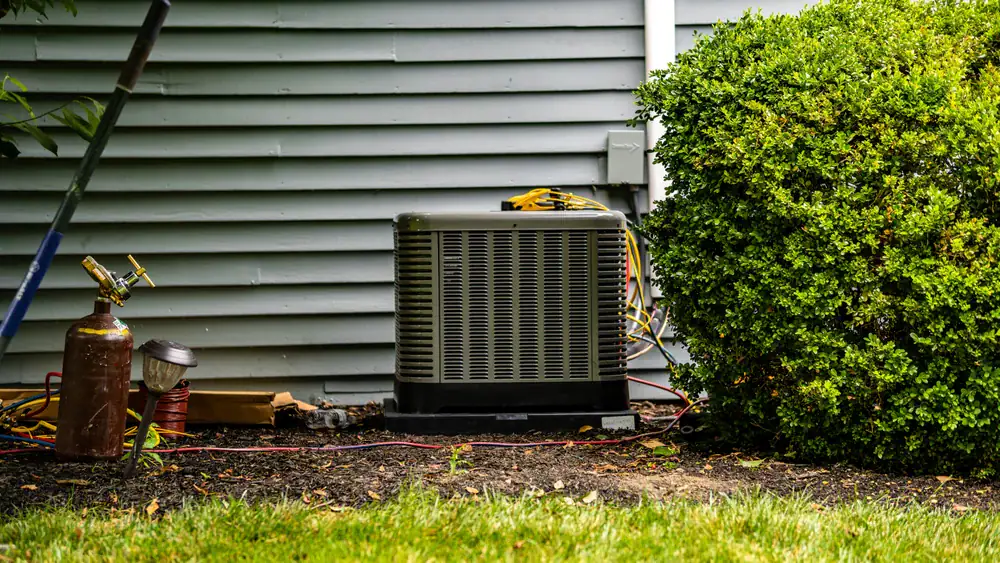
Your outdoor condensing unit has weathered a Massachusetts winter, which means it’s likely accumulated debris, leaves, and possibly ice damage. Start by clearing everything away from the unit—at least two feet on all sides. Remove any covers you placed over the unit for winter protection.
Inspect the unit for obvious damage. Look for bent fins on the condenser coils, loose electrical connections, or signs of refrigerant leaks around the unit. The refrigerant lines should be properly insulated, and the insulation should be in good condition without cracks or gaps.
Inside your home, replace your air filters with ones appropriate for cooling season. Cooling systems typically move more air than heating systems, and Massachusetts summers can be dusty. Clean filters ensure good airflow and help maintain indoor air quality during months when windows stay closed.
Test your thermostat’s cooling functions before you need them. Switch to cooling mode and set the temperature a few degrees below room temperature to verify the system starts up properly. Listen for unusual sounds—grinding, squealing, or banging noises often indicate problems that are easier and less expensive to fix before the system is under full load.
Check your ductwork for any issues that developed over winter. Look for disconnected ducts, especially in crawl spaces or basements where settling or temperature changes might have caused problems. Poor ductwork can waste up to 30% of your cooling energy and leave some rooms uncomfortably warm.
Massachusetts summers aren’t just hot—they’re humid. This combination puts extra stress on your cooling system and affects your comfort in ways that temperature alone doesn’t capture. Your AC system needs to remove moisture from the air as well as cool it, which is why proper preparation matters.
Check your condensate drain system, which removes the moisture your AC pulls from humid Massachusetts air. A clogged drain can cause water damage to your home and force your system to shut down when you need it most. Pour a cup of water into the drain pan to verify it drains properly, and clear any obvious blockages.
Consider your home’s insulation and air sealing. Poor insulation doesn’t just affect heating costs—it also forces your AC to work harder during hot summers. Check attic insulation levels and look for air leaks around windows, doors, and anywhere pipes or wires enter your home.
Your system’s refrigerant levels need to be correct for efficient operation. While this requires professional service, you can watch for signs of low refrigerant: ice forming on the indoor coils, the system running constantly without cooling effectively, or higher than normal energy bills. These issues typically develop gradually, so spring is the ideal time to catch them.
Plan for peak demand periods. Massachusetts summers can bring sudden heat waves that stress both your system and the electrical grid. Consider programmable thermostats that can pre-cool your home during off-peak hours, and think about which rooms you use most during the hottest parts of the day.
Don’t forget about indoor air quality during cooling season. With windows closed and the same air recirculating for months, your filters and ductwork play crucial roles in maintaining healthy indoor air. Consider upgrading to higher-efficiency filters if family members have allergies or respiratory issues.
Massachusetts weather doesn’t give you second chances. When your heating fails during a blizzard or your AC quits during a heat wave, you’re competing with thousands of other homeowners for emergency service. The smart approach is preparation—addressing small issues before they become big problems and ensuring your systems are ready for the extreme demands they’ll face.
This seasonal preparation isn’t just about avoiding breakdowns. It’s about maintaining efficiency, extending equipment life, and keeping your energy costs reasonable during months when your HVAC system works its hardest. Regular maintenance catches the small problems that turn into expensive repairs when ignored.
When you do need professional help, working with experienced local contractors who understand Massachusetts’ unique challenges makes all the difference. We’ve been helping homeowners throughout Plymouth, Bristol, and Norfolk counties prepare for seasonal transitions for over 30 years, with the local knowledge and fully-stocked trucks to handle whatever issues arise.
Article details:
Share:
Continue learning: