Massachusetts winters demand reliable heating. Learn the warning signs that indicate your furnace needs immediate attention before costly breakdowns occur.
Share:
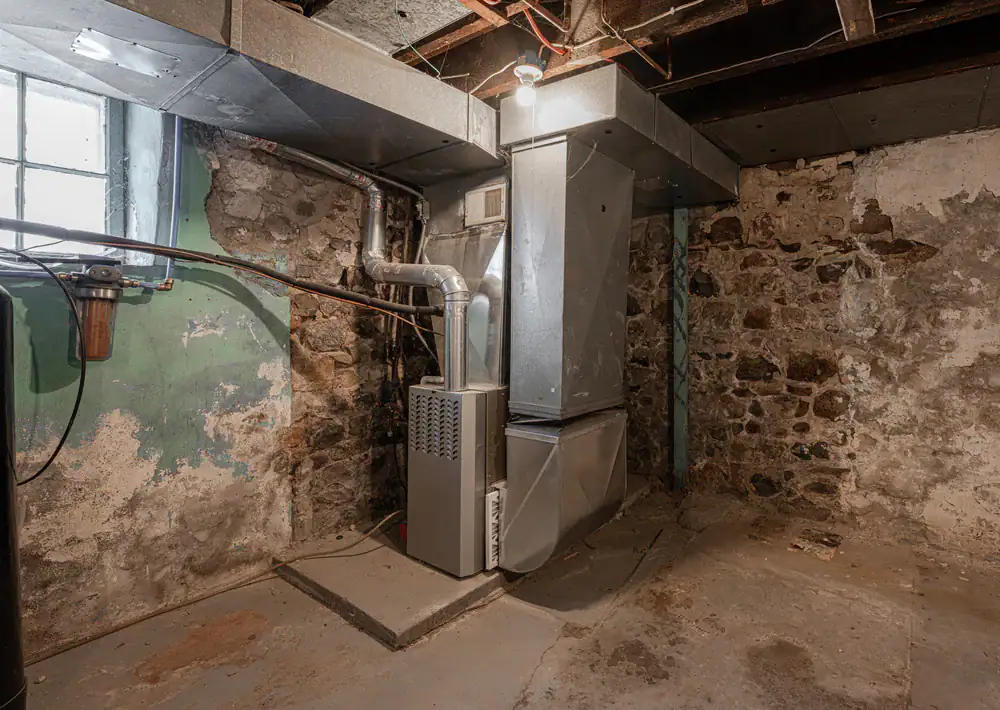
Your furnace communicates problems through various symptoms that are easy to spot if you know what to look for. The most obvious signs include inconsistent heating, where some rooms stay comfortable while others feel like walk-in freezers. This uneven temperature distribution often indicates failing components or airflow restrictions that need professional diagnosis.
Strange noises represent another clear warning signal. Modern furnaces operate quietly, so grinding, squealing, banging, or rattling sounds during operation suggest mechanical problems that require immediate attention. These sounds often indicate worn bearings, loose components, or failing motors that can lead to complete system breakdown if ignored.
Rising energy bills without increased usage patterns signal declining efficiency. When your furnace works harder to maintain the same temperature, it consumes more fuel and drives up monthly costs significantly.
Uneven heating throughout your Massachusetts home often signals the beginning of serious furnace issues that demand prompt professional attention. When your living areas maintain comfortable temperatures while bedrooms remain cold, your system may be losing efficiency or experiencing component failures that affect proper heat distribution.
This temperature inconsistency typically stems from several potential causes. Blocked or restricted vents can prevent heated air from reaching certain areas, while failing blower motors struggle to circulate air effectively throughout your home. Damaged ductwork allows heated air to escape before reaching its destination, forcing your furnace to work overtime without achieving desired results.
Aging systems frequently develop short cycling problems, where the furnace turns on and off too frequently to complete proper heating cycles. This pattern prevents even heat distribution and significantly reduces system efficiency. The thermostat may read the correct temperature in its immediate location while other areas remain uncomfortably cold.
Massachusetts winters can last over 100 days, making dependable, even heat distribution crucial for comfortable living. When you notice consistent cold spots or rooms that never seem to warm up properly, these symptoms indicate your furnace requires professional evaluation. Ignoring uneven heating often leads to complete system failure during peak heating season, when repair costs and wait times reach their highest levels.
We can diagnose whether uneven heating results from minor adjustments, component replacements, or signals the need for complete system replacement. Early intervention typically costs significantly less than emergency repairs during the coldest weather.
Your furnace should operate relatively quietly, making unusual sounds immediate cause for concern. Grinding noises often indicate worn bearings in the blower motor, while squealing suggests belt problems or motor issues. Banging or rattling sounds typically point to loose components that can cause additional damage if left unaddressed.
These mechanical sounds represent early warning signs that allow you to address problems before they escalate into major repairs or complete system failures. Prompt attention to unusual noises can often resolve issues with simple adjustments or component replacements, avoiding the expense and inconvenience of emergency service calls.
Unusual odors present even more serious concerns, particularly during Massachusetts heating season. A metallic smell might indicate overheating components, while musty odors suggest mold growth within your system. Most concerning are gas odors or exhaust smells that could signal dangerous combustion issues or carbon monoxide problems.
The CDC estimates that over 400 Americans die each year from accidental carbon monoxide poisoning, with most fatalities occurring during colder months when heating systems operate continuously. Carbon monoxide poses a silent danger because it’s colorless and odorless in pure form, making proper furnace maintenance and prompt attention to unusual smells absolutely critical for your family’s safety.
If you detect any unusual odors, especially when combined with symptoms like headaches, nausea, or confusion while indoors, leave your home immediately and ensure proper ventilation. Install and regularly maintain carbon monoxide detectors as your first line of defense against this invisible threat.
We have specialized equipment to detect carbon monoxide levels and identify combustion problems before they become dangerous. Regular maintenance and immediate attention to unusual smells or symptoms can prevent tragic accidents and ensure your heating system operates safely throughout the winter season.
The decision between repairing your existing furnace or investing in complete replacement depends on several critical factors that we evaluate during system assessment. Age represents the primary consideration, as most furnaces in Massachusetts homes have a usable lifespan of 15 to 20 years when properly maintained.
Beyond age, the frequency and cost of recent repairs provide important guidance. When repair costs approach 50% of replacement value, or when you’re facing multiple expensive component failures, replacement often makes better financial sense than continuing to invest in an aging system.
Energy efficiency considerations also influence this decision significantly. Older systems often operate at 80% efficiency or lower, while modern high-efficiency units achieve 90% or higher efficiency ratings, translating to substantial monthly savings on heating costs.
The age of your furnace serves as the clearest indicator for future performance and repair frequency. Systems approaching or exceeding their expected lifespan become increasingly unreliable, less energy-efficient, and more costly to maintain. Most Massachusetts homeowners find that furnaces older than 15 years require more frequent repairs and consume significantly more energy than newer models.
Efficiency ratings, measured by Annual Fuel Utilization Efficiency (AFUE) scores, directly impact your monthly heating costs. Standard older furnaces typically achieve 80% AFUE, meaning 20% of the energy they consume is wasted. Modern high-efficiency units reach 90% AFUE or higher, converting more fuel into usable heat and reducing monthly utility expenses.
During Massachusetts winters, these efficiency differences translate into substantial cost savings. A homeowner heating a typical home might spend $300-500 more per winter with an older, less efficient system compared to a modern replacement. Over the system’s lifespan, these savings often offset the initial replacement investment.
Many homeowners miss the signs that their furnace is nearing the end of its useful life until it breaks down during peak winter, when replacement costs and wait times reach their worst levels. Planning replacement during off-season months allows you to research options, compare prices, and schedule installation when contractors are less busy and more likely to offer competitive pricing.
Massachusetts offers programs like Mass Save that provided rebates and financing for qualifying energy-efficient heating upgrades, though these programs have shifted focus toward heat pump installations rather than traditional furnace replacements. Understanding available incentives helps you make informed decisions about timing and equipment selection.
We can assess your current system’s condition, age, and efficiency to help determine whether repair or replacement provides better long-term value for your specific situation.
Furnace replacement costs in Massachusetts typically range between $4,500 and $9,000, with gas furnaces representing the most economical choice for long-term savings. These costs vary based on system size, efficiency rating, installation complexity, and local market conditions. Understanding these factors helps you budget appropriately and compare options effectively.
When evaluating replacement versus repair costs, consider the total investment over the next several years. An older system requiring frequent repairs might cost $2,000-3,000 annually in service calls and component replacements, while a new system provides reliable operation with minimal maintenance requirements for many years.
We offer financing options to make replacement more accessible for Massachusetts homeowners. Our payment plans allow you to spread costs over several years while immediately benefiting from improved efficiency and reliability. Some programs offer promotional rates or deferred payment options during slower seasons.
Energy savings from high-efficiency replacements often offset monthly payment amounts, making upgrades cash-flow neutral or positive from the start. A homeowner replacing an older, inefficient system might save $50-100 monthly on heating costs, which can cover or exceed financing payments while providing superior comfort and reliability.
Emergency replacements during peak heating season typically cost 20-30% more than planned installations during off-season months. Contractors charge premium rates for emergency service, and equipment availability becomes limited when demand peaks. Planning replacement before your current system fails allows you to shop for competitive prices and schedule installation at your convenience.
Massachusetts homeowners should also consider the broader benefits of replacement beyond immediate cost savings. New systems provide improved indoor air quality, more consistent temperatures, quieter operation, and enhanced safety features that older units lack. These quality-of-life improvements often justify the investment even when repair remains technically possible.
Working with us ensures proper system sizing, installation, and ongoing support for your investment, as we understand Massachusetts climate conditions and building codes.
Recognizing the warning signs of furnace problems before they become emergency situations protects your family’s comfort, safety, and budget during Massachusetts winters. From uneven heating and strange noises to rising energy bills and unusual odors, your heating system provides advance notice when professional attention is needed.
The decision between repair and replacement depends on your system’s age, efficiency, and recent repair history, but taking action early always costs less than waiting for complete failure. Whether you need emergency repairs, routine maintenance, or complete system replacement, working with us ensures your home stays warm and safe throughout the heating season.
When you notice any of these warning signs, don’t wait for your furnace to fail completely. Contact us at Dempsey Energy for professional assessment and reliable solutions that keep your Massachusetts home comfortable all winter long.
Article details:
Share:
Continue learning: