Discover how proper thermostat settings during extreme temperatures can slash your North Attleboro energy bills by up to 10% while keeping your home comfortable year-round.
Share:
When North Attleboro winters hit hard, your instinct might be to crank up the heat. But here’s what HVAC professionals know: the optimal winter thermostat setting is 68°F when you’re home. This isn’t just comfort advice—it’s based on energy efficiency science.
The larger the difference between indoor and outdoor temperatures, the harder your furnace or heat pump has to work to maintain the desired warmth. At 68°, the gap between indoor and outdoor temperatures is moderate, allowing your heating system to operate efficiently without unnecessary strain. Every degree higher forces your system to work harder and costs you more money.
The numbers don’t lie. You can save as much as 10% a year on heating and cooling by simply turning your thermostat back 7°-10°F for 8 hours a day from its normal setting, with potential savings of as much as 1 percent for each degree if the temperature is lowered for at least eight hours.
For a typical North Attleboro home spending $2,200 per winter on heating, that’s $220 back in your pocket annually. Set your thermostat to 68°F when you’re home and awake, then lower it to 63-65°F while you sleep to save even more. When you’re away, you can set it as low as 55-60°F—you don’t want to come back to a cold house, but you also don’t want to waste money heating an empty house.
By dialing your thermostat down 5-10 degrees when you are not home, you can save up to 10% a year on energy bills. But there’s an important safety consideration during extreme cold: if you’re going on vacation, or your property will be vacant, make sure to set the heat to an appropriate temperature to avoid freezing pipes.
The key is consistency. By adjusting your thermostat one degree each day, you give your body time to adjust to the new temperature. You might find that you can actually live with a temperature that’s closer to the energy-saving recommendation, compared to shocking your system if you make a large change all at once.
The house will NOT warm up faster the higher a thermostat is raised. It may be tempting when it’s really cold to bump the thermostat up extra high in the hopes that it’ll get warm quickly. But, that’s not how a thermostat works. It either calls for heat or it doesn’t. This method of trying to heat the house more quickly can waste energy and create a setting that is too warm.
Another costly mistake? A common misconception associated with thermostats is that a furnace works harder than normal to warm the space back to a comfortable temperature after the thermostat has been set back, resulting in little or no savings. In fact, as soon as your house drops below its normal temperature, it will lose energy to the surrounding environment more slowly. During winter, the lower the interior temperature, the slower the heat loss. So the longer your house remains at the lower temperature, the more energy you save.
Avoid making harsh and abrupt thermostat adjustments because this can cause strain on your HVAC system. Gradual adjustments are more effective and keep the home temperature consistent throughout. If you have a heat pump, be especially careful. When heat pumps need to heat up a house quickly, they use backup electric heat strips, which are less efficient.
Don’t ignore your thermostat’s location either. Keep your thermostat away from heat sources or drafts that could affect its readings. A thermostat near a sunny window or heat vent will give false readings, causing your system to work inefficiently and waste energy.
When North Attleboro summers get sweltering, your cooling strategy becomes just as important as your winter heating plan. The best thermostat setting for summer is 78 degrees Fahrenheit when you’re at home. Yes, 78°F—not the 72°F many homeowners default to.
The smaller the difference between the indoor and outdoor temperatures, the lower your overall cooling bill will be. This principle works both ways: just as lowering your winter thermostat saves heating costs, raising your summer thermostat saves cooling costs. Keeping your house even warmer when you’re away for more than four hours will help you save even more in summer. Crank your thermostat setting for summer up to 85-88°F while you’re out of the house to help you save as much as 10% on cooling costs.
When fans are running, you can raise your thermostat setting by 3-4°F and be just as comfortable. However, fans only cool you when you’re in the same room, so turn them off when you leave a room to save even more money and energy. This simple strategy can make 78°F feel like 74°F without the extra energy cost.
Avoid setting your thermostat at a colder setting than normal when you turn on your air conditioner. It will not cool your home any faster and could result in excessive cooling and, therefore, unnecessary expense. This strategy does not, in fact, cool a home any faster and ultimately can lower the temperature too much and create an unnecessary expense.
Consider your daily routine when setting summer temperatures. Most nights are a little cooler, so it’s likely fine to leave the thermostat set to 78°F all summer, day and night. However, if you prefer cooler sleeping temperatures, the ideal home temperature for sleeping is generally between 60 and 67 degrees Fahrenheit, with a setting of 62-65°F while you sleep helping you save energy and potentially promoting better sleep.
Don’t forget about humidity. High humidity makes temperatures feel warmer, so using a dehumidifier alongside your AC can help you feel comfortable at higher thermostat settings. If your home feels chilly, put on an additional layer of clothing or run a whole-house humidifier to decrease evaporation.
If your North Attleboro home uses a heat pump, your summer thermostat strategy needs special attention. Programmable thermostats are generally not recommended for heat pumps. In its cooling mode, a heat pump operates like an air conditioner, so turning up the thermostat (either manually or with a programmable thermostat) will save energy and money.
The difference comes in how heat pumps handle temperature changes. Recently, some companies have begun selling specially designed programmable thermostats for heat pumps, which make setting back the thermostat cost-effective. These thermostats typically use special algorithms to minimize the use of backup electric resistance heat systems.
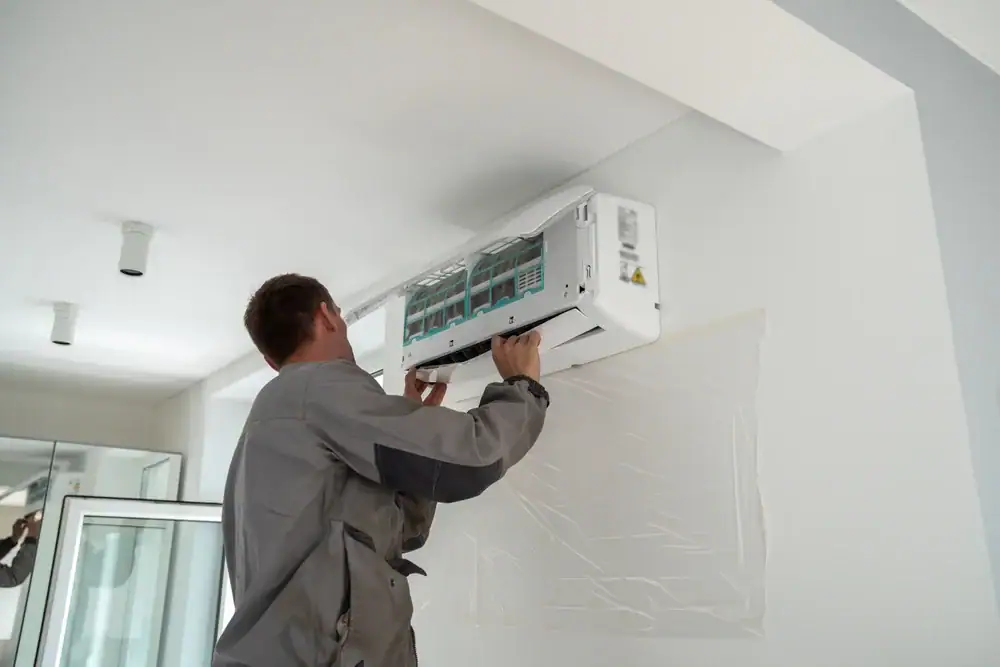
Heat pumps are a versatile and energy-efficient solution for heating and cooling your home. At Dempsey Energy, we specialize in heat pump installation, maintenance, and repair. If you’re unsure whether your current thermostat is optimized for your heat pump system, it’s worth having a professional assessment.
Heat pump maintenance becomes especially important during extreme temperatures. Common issues include poor efficiency, odd noises, or inconsistent heating and cooling, but regular tune-ups keep your heat pump running smoothly and efficiently. Upgrade to a heat pump today and enjoy year-round comfort while lowering your energy bills!
Smart thermostat management isn’t just about comfort—it’s about taking control of your energy costs. With proper settings, you can save up to 10% annually on heating and cooling bills, roughly 1% for each degree you adjust for at least eight hours. For North Attleboro homeowners facing rising energy costs, these savings add up quickly.
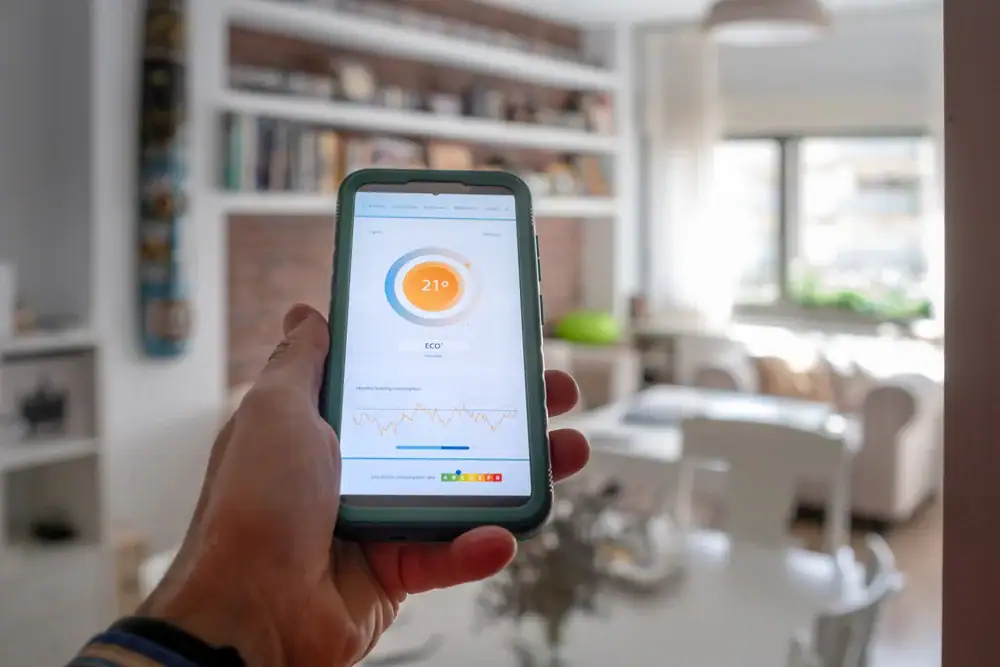
Consider upgrading to a programmable thermostat that can automatically adjust the temperature for comfort when you are home or awake. Some smart thermostat models will also “learn” your patterns and automatically adjust to help maintain both comfort and energy savings. Wi-Fi thermostats give you even more flexibility with comfort control from your smartphone, tablet or computer.
If you’re still struggling with high energy bills or inconsistent temperatures after optimizing your thermostat settings, it might be time for professional help. If you just can’t get comfortable at all after experimenting with the temperature in your home, it might be time to get an expert opinion from your local HVAC contractor. Your local dealer can analyze your HVAC system to make sure it is operating properly, and make repairs if necessary. We at Dempsey Energy’s experienced team can help you maximize both comfort and efficiency in your North Attleboro home.
Article details:
Share:
Continue learning: