Learn about 2025's most energy-efficient HVAC systems, from heat pumps to geothermal options, plus available rebates.
Share:
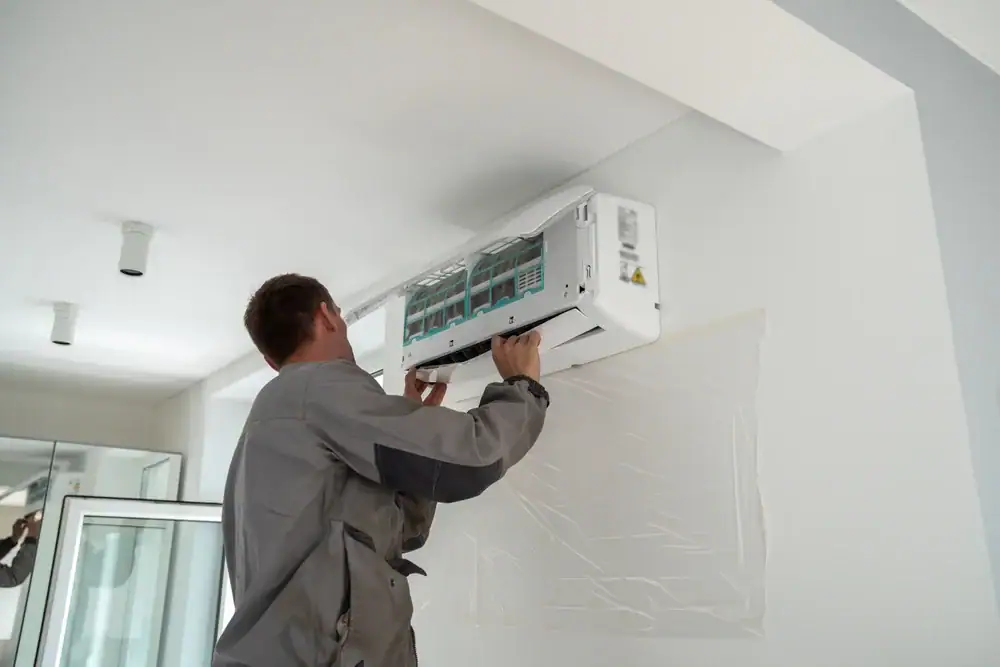
Ductless mini split heat pumps consistently rank as the most energy-efficient HVAC systems available in 2025. These systems work differently than traditional heating and cooling—instead of burning fuel or using electric resistance, they transfer heat from one place to another.
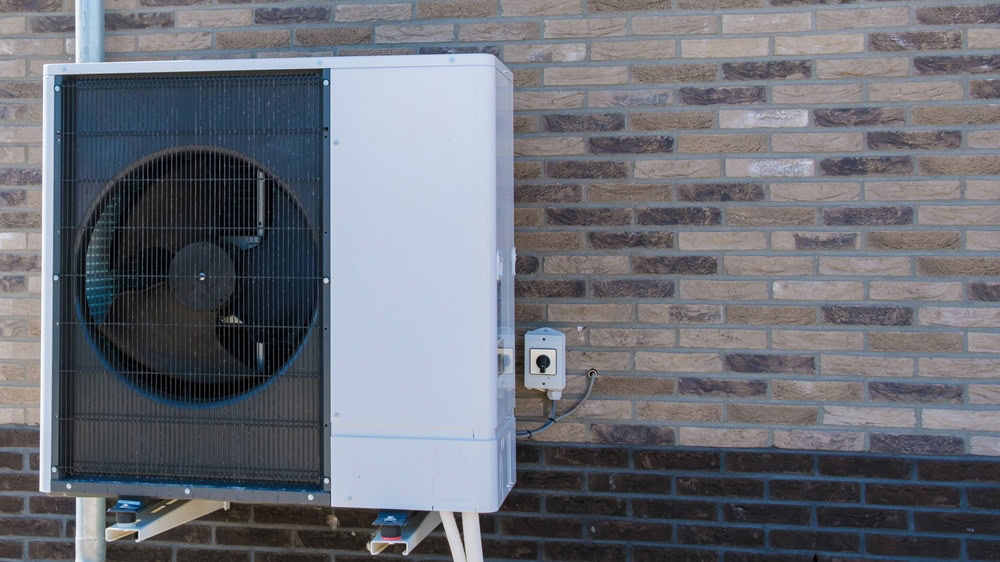
Like your refrigerator, heat pumps use electricity to transfer heat from a cool space to a warm space, making them incredibly efficient at providing comfortable temperatures. Modern heat pumps typically achieve SEER ratings of 20-25, meaning they can produce the same comfort while using significantly less energy than older systems.
The efficiency advantage is real. With heating and cooling accounting for approximately 48% of your home’s energy bills, choosing an efficient system can slash your energy costs by 30-50% while providing superior comfort year-round.
Traditional ducted systems have a hidden problem that costs you money every month. In ducted HVAC systems, 20-30% of the air that moves through ducts is lost due to leaks, holes, and poorly connected ducts, which drives up energy costs. Ductless systems eliminate this waste entirely.
Ductless mini-splits have an outdoor unit and one or more indoor units mounted on walls or ceilings, with each indoor unit operating independently so you can set different rooms to different temperatures. This zone control capability means you’re only heating or cooling spaces you’re actually using.
By eliminating the 20-30% energy losses associated with traditional ductwork, ductless mini-split systems with SEER2 ratings up to 28 can reduce energy consumption by 25-40% compared to central systems. For North Attleboro homes without existing ductwork or those looking to add comfort to specific areas like finished basements or home offices, ductless systems offer unmatched efficiency.
Their ability to operate only in the spaces you’re using helps reduce energy consumption and saves money on energy costs. Plus, installation is typically less invasive than ducted systems, making them perfect for older homes or room additions.
For homeowners who want the absolute highest efficiency available, geothermal systems set the gold standard. Geothermal heat pumps consistently rank as the most energy-efficient HVAC system available, achieving Coefficient of Performance (COP) ratings of 3-5. This means they produce 3-5 units of heating or cooling for every unit of electricity consumed.
The secret is in how they work. These systems utilize the earth’s stable underground temperature (50-55°F year-round) through a ground loop system, where buried pipes circulate a heat-transfer fluid that absorbs or releases heat to condition your home. Because ground temperatures remain constant, geothermal systems don’t have to work as hard as air-source heat pumps during extreme weather.
Geothermal systems require significant upfront investment ($15,000-$35,000) but offer the fastest payback period among high-efficiency systems due to their exceptional performance. For North Attleboro homeowners with adequate property space and long-term thinking, geothermal represents the pinnacle of efficiency.
The environmental benefits are substantial too. With COP ratings of 3-5, geothermal heat pumps offer 30-60% annual energy savings compared to traditional systems, making them an excellent choice for homeowners committed to reducing their carbon footprint while maximizing comfort.
Not every North Attleboro home is ready for a complete system overhaul. If you have existing ductwork in good condition, high-efficiency central systems can deliver impressive energy savings without the complexity of switching to heat pumps or geothermal.
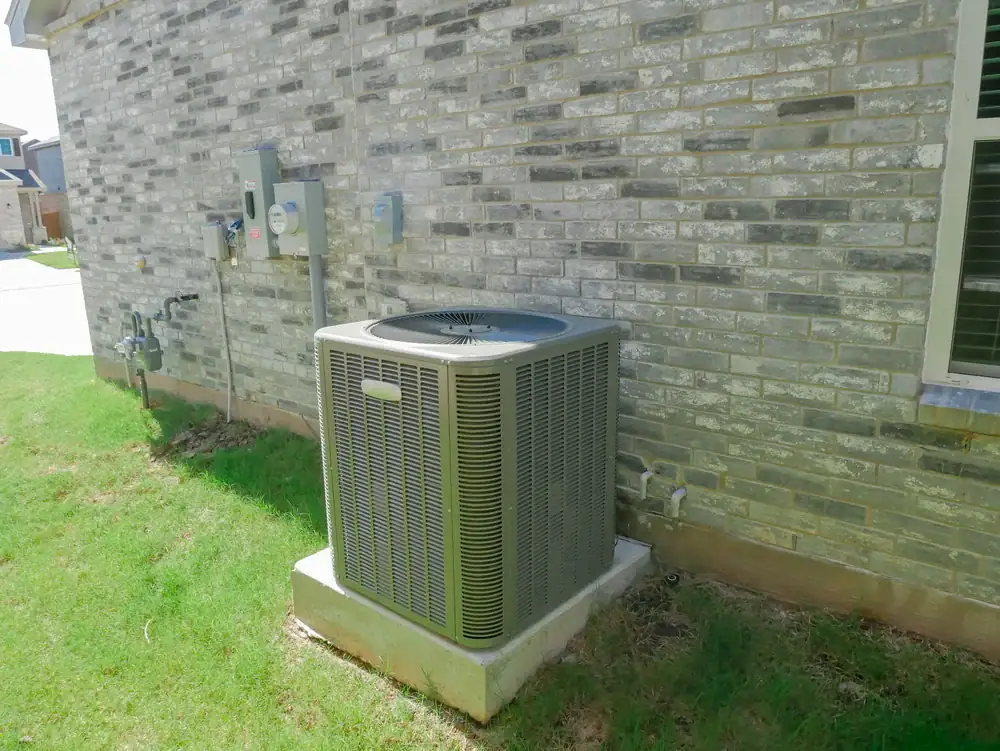
The most efficient central air systems typically have SEER ratings of around 20. Top-performing systems like the Trane XV20i achieve SEER2 ratings up to 21.5 with energy savings of 53%. These variable-speed systems adjust their output to match your home’s exact needs, eliminating the energy waste of constantly cycling on and off.
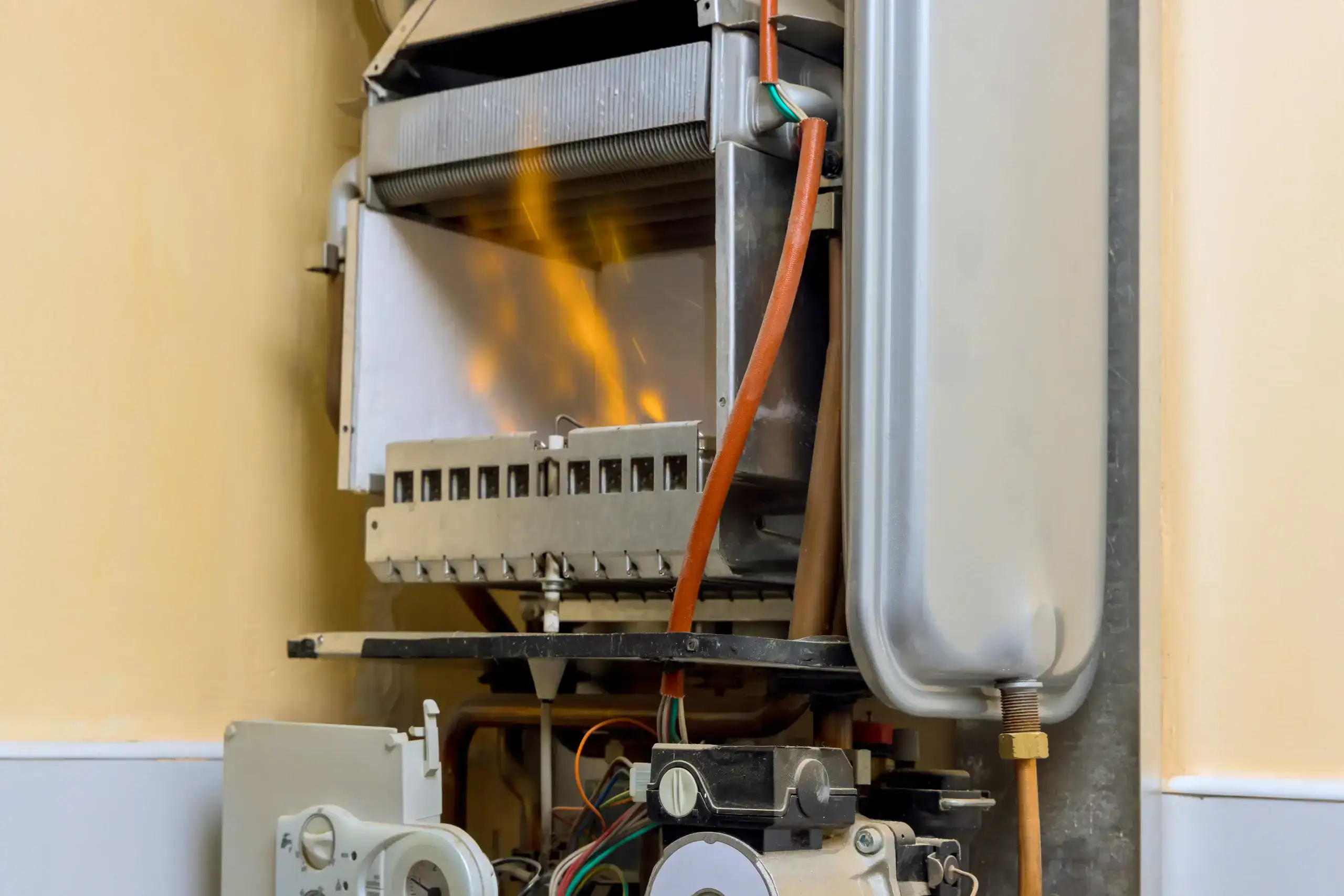
Modern furnaces have made significant efficiency gains too. High-efficiency gas furnaces can achieve AFUE ratings above 90%, meaning 90% or more of the fuel is converted directly into heat for your home rather than being lost through venting.
The key to modern HVAC efficiency lies in variable-speed technology. Variable-speed compressors adjust their operating speed to match the cooling or heating demand precisely, significantly reducing energy consumption compared to traditional fixed-speed compressors.
Think of it like driving on the highway versus stop-and-go city traffic. Traditional single-speed systems are like city driving—constantly starting and stopping, wasting energy each time. Variable-speed technology ensures that HVAC systems provide continuous comfort without the frequent on-off cycling that characterizes less efficient models, leading to enhanced system longevity and reduced energy bills.
Variable-speed AC units adjust their output to match cooling demand precisely, leading to consistent indoor temperatures, reduced energy consumption, and quieter operation. Unlike traditional single-speed systems that frequently cycle on and off, variable-speed systems maintain a more even temperature while lowering humidity levels.
This technology isn’t limited to cooling. Inverter-driven systems can modulate their speed/capacity at near-infinite degrees between low and high settings, running efficiently and maintaining consistent comfort. Most newer models of heat pumps and furnace blowers are equipped with electrically commutated motors (ECM) or variable-speed motors.
Variable-speed controls for these fans keep air moving at a comfortable velocity, minimizing cool drafts, maximizing electrical savings, and reducing noise and disruption. For North Attleboro homeowners who value quiet operation and consistent comfort, variable-speed systems deliver on both fronts.
Even the most efficient HVAC system can waste energy without proper controls. Smart thermostats have taken HVAC efficiency and convenience to new heights, learning from a household’s patterns and adjusting heating and cooling settings accordingly to maximize comfort and efficiency.
Smart thermostats learn user preferences and adjust temperature accordingly, leading to optimized energy use. They can be controlled remotely via smartphones, allowing homeowners to make adjustments even when they’re not at home. This means you’re never heating or cooling an empty house, and you can ensure comfort before you arrive.
Smart thermostats can be controlled remotely via smartphones, allowing users to make adjustments on the go. Additionally, they provide valuable insights into energy usage, helping homeowners make informed decisions about their heating and cooling habits. Many models integrate with Mass Save programs, automatically adjusting during peak demand periods to earn you additional incentives.
The connectivity extends beyond just thermostats. ComfortBridge technology allows different components of your HVAC system to “talk,” which helps with diagnostics and efficient operation. CoolCloud is the Bluetooth app that allows you to view the conversations your system has and take action if there is any issue.
This level of system integration means problems are often detected and addressed before they become major failures, saving you money on repairs while maintaining peak efficiency. For North Attleboro homeowners who want to stay connected to their home’s comfort systems, these smart features provide peace of mind and energy savings.
The most energy-efficient HVAC system for your home depends on your climate, budget, and specific needs. Geothermal systems offer the highest efficiency for those with adequate space and budget. Ductless mini-splits provide exceptional zone control and efficiency for targeted applications. Air-source heat pumps deliver excellent year-round performance with improved cold-weather capability.
Most Massachusetts residents are eligible for Mass Save HVAC rebates in 2025, with rebates up to $10,000 for heat pump installations. Heat pump systems are also eligible for federal tax credits worth 30% of installation costs, up to $2,000 a year, and you can combine federal tax credits with Mass Save rebates to maximize savings.
The key is working with an experienced HVAC contractor who understands both the technology and the rebate programs. Whatever system you choose, proper sizing, professional installation, and regular maintenance are essential for achieving optimal efficiency. With the right system and approach, you can reduce energy bills by 30-50% while enjoying superior comfort. When you’re ready to explore your options, we’re here to provide expert guidance on the most efficient system for your specific situation.
Article details:
Share:
Continue learning: